
Pentagon Watchdog Declines Probe Into Ukraine Starlink Blackout, Citing Air Force
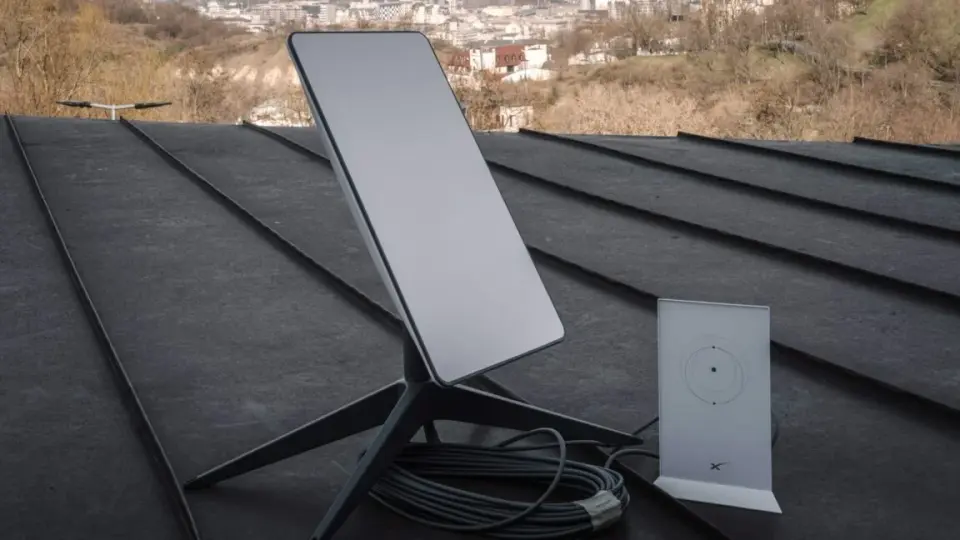
The Pentagon Inspector General refused a bipartisan request to investigate recent Starlink and Starshield disruptions in Ukraine, directing senators to the Air Force instead. This decision follows a 10-day slowdown that grounded Ukrainian drones and raised questions about Elon Musk’s influence over military communications.
Key points
- Pentagon Inspector General Platte Moring declined to investigate Starlink/Starshield disruptions, stating the Air Force is better suited to address the issues.
- Ukraine reported that military drones lost satellite connectivity when traveling above 161 km/h, a limit that was removed after approximately 10 days.
- Nine senators, including Jeanne Shaheen and Thom Tillis, requested a probe into whether the disruptions were authorized by the US government or SpaceX.
- Elon Musk accused Ukraine of violating terms of service by using Starlink for offensive strikes, a claim Ukrainian officials denied.
- The Trump administration and SpaceX provided conflicting accounts of who authorized the restrictions, with Trump denying involvement and Musk claiming US military control.
Background
This incident follows earlier reports in October 2026 that Musk ordered the slowdown, which was discussed with President Trump. Previous coverage noted that the disruptions endangered American personnel and weakened Ukraine’s defenses against Russian attacks. The current refusal to investigate intensifies concerns about SpaceX’s influence over critical military communications and accelerates European efforts to develop sovereign satellite alternatives.
How outlets are covering it
Ars Technica and AP News emphasize the Pentagon Inspector General’s refusal to investigate, highlighting the bipartisan concern over Musk’s influence. The Atlantic focuses on the strategic implications, noting that no reliable alternatives exist to Starlink and that the disruption could have led to a cascade of disasters. The New Republic suggests the slowdown may have been an attempt to force Ukraine to upgrade its contract, while also noting conflicting accounts from the Trump administration and SpaceX. CNN and Reuters report on Putin’s praise for Musk and Russia’s plans to build its own satellite constellation, contrasting with the US-Ukraine tensions.
Why it matters
The refusal to investigate raises questions about the accountability and oversight of critical military communications systems controlled by private entities. It highlights the vulnerability of Ukraine’s defense capabilities and the potential for geopolitical leverage through technology. The incident also underscores the need for sovereign satellite alternatives to reduce dependence on foreign-controlled infrastructure.
What to watch
The Pentagon and Air Force have not yet responded to requests for comment on whether they plan to investigate. Senators have urged the inspector general to reconsider if new information emerges. European efforts to develop sovereign satellite communications, including partnerships between Finnish firms and Ukraine, are expected to accelerate.
- Pentagon IG refuses to investigate Starlink/Starshield slowdown in Ukraine Ars Technica
- How Elon Musk Turned on Ukraine The Atlantic
- Pentagon watchdog tells lawmakers it won’t investigate Starlink slowdowns to Ukraine AP News
- Did Musk Cut Off Ukraine From Starlink to Force It to Pay More? The New Republic
- Pentagon Watchdog Declines to Probe Ukraine Intel, Starlink Cuts Bloomberg.com
Want the full story? Read the original reporting
Read on Ars Technica