
El-Sayed’s Piker Ties Fracture Michigan Democrats Ahead of Senate Vote
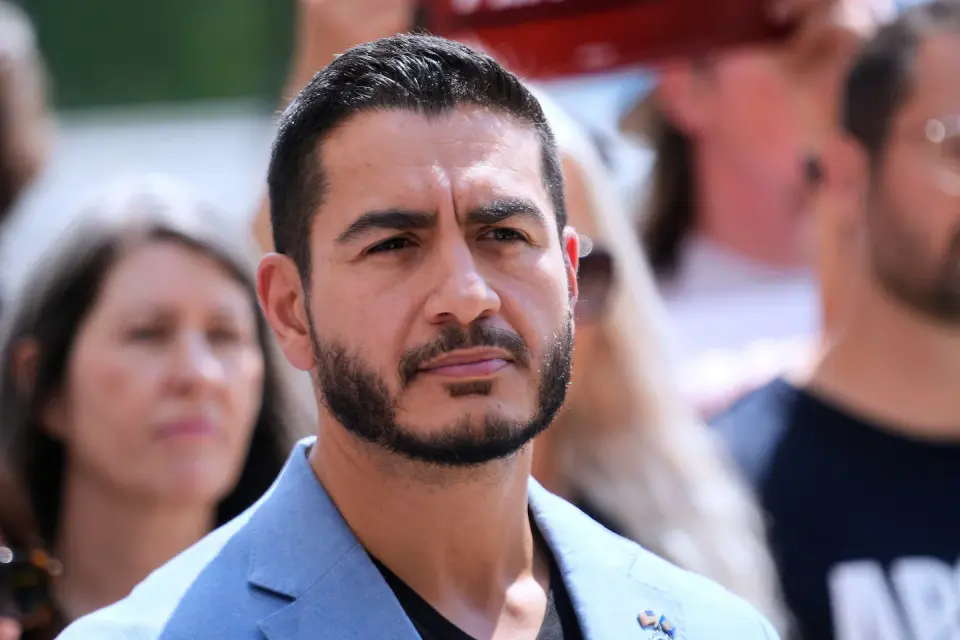
Michigan Democratic nominee Abdul El-Sayed faces internal party division and Republican attacks over his association with streamer Hasan Piker, whose recent comments on Israel and Jewish Americans sparked widespread condemnation. While El-Sayed distances himself from Piker’s rhetoric, he refuses to fully disavow him, citing a shared commitment to anti-antisemitism and progressive values. This standoff has stalled endorsements from key Democratic figures, including Rep. Hillary Scholten and House candidate Jeremy Moss, while Republicans leverage the dispute to portray El-Sayed as radical. The controversy threatens to derail El-Sayed’s focus on cost-of-living issues in a pivotal battleground state where Democrats seek to retain Senate control.
Key points
- El-Sayed issued a statement distancing himself from Piker’s Aug. 20 comments, asserting that 'nobody speaks for this campaign' and emphasizing his commitment to Jewish safety, but stopped short of calling Piker’s remarks antisemitic.
- Rep. Hillary Scholten has refused to campaign with El-Sayed, stating he failed to directly disavow Piker, while House candidate Jeremy Moss withheld endorsement, citing disagreements on Israel policy and Piker’s criticism of him.
- Republican nominee Mike Rogers labeled Piker El-Sayed’s 'running mate' and accused him of believing the U.S. 'deserved 9/11,' a claim El-Sayed’s team called 'bad-faith lies.'
- Piker, who does not live in Michigan, defended his comments as a warning against conflating Jewish identity with Israel, arguing that critics misinterpreted his intent to condone violence.
- El-Sayed has consistently redirected media attention to affordability, healthcare, and education, stating that the Piker controversy is a distraction from the issues Michiganders care about most.
Background
This dispute follows a contentious primary where El-Sayed narrowly defeated Rep. Haley Stevens, aided by Piker’s online support. Previous tensions arose from Piker’s 2019 remark that 'America deserved 9/11,' which El-Sayed previously dismissed as a 'dumb statement.' AIPAC spent over $30 million in the primary to oppose El-Sayed, reflecting deep divisions over his stance on Israel and Gaza. The current crisis intensifies these fissures as Democrats struggle to unify in a state Trump won in 2024, where Republicans hold a 53-47 Senate advantage.
How outlets are covering it
The Washington Post emphasizes the internal Democratic acrimony, highlighting how Piker’s comments have stalled endorsements and fractured party unity. NBC News focuses on El-Sayed’s attempt to pivot to economic issues, noting that while he distanced himself from Piker, his response was seen as insufficient by some allies. The Guardian underscores the broader narrative of El-Sayed’s effort to maintain a unifying message amid attacks from both the left and right, including a debate with Jesse Watters. All sources agree that the controversy has consumed campaign time, but they differ on its severity: The Post and NBC frame it as a significant liability, while The Guardian suggests El-Sayed is effectively managing the fallout by refocusing on affordability. Piker’s perspective, reported by all, is that the backlash is a misinterpretation of his intent and a distraction from substantive policy debates.
Why it matters
The Michigan Senate race is pivotal for determining control of the U.S. Senate in 2026. El-Sayed’s ability to unify Democrats and neutralize the Piker controversy will determine whether he can retain the seat vacated by Sen. Gary Peters. Failure to resolve internal divisions could hand Republicans a key pickup, shifting the balance of power in Congress. Additionally, the dispute highlights broader tensions within the Democratic Party over Israel policy, antisemitism, and the role of online influencers in electoral politics.
What to watch
El-Sayed must navigate the upcoming weeks to secure endorsements from holdout Democrats like Scholten and Moss, or risk a fractured coalition. He will likely continue to emphasize affordability and healthcare while attempting to defuse the Piker issue. Republicans will intensify attacks linking El-Sayed to Piker’s past and present statements. The outcome of the race will hinge on whether El-Sayed can convince moderate and Jewish voters that his stance on Israel does not equate to antisemitism, or if the controversy will alienate enough voters to hand the seat to Mike Rogers.
- Democrats at odds in Michigan over El-Sayed’s ties to controversial streamer The Washington Post
- Abdul El-Sayed distances himself from Hasan Piker’s comments on Israel and Jewish Americans NBC News
- Abdul El-Sayed seeks accord with Jewish congressional hopeful Moss The Detroit News
- Dingell: November election isn’t about Hasan Piker The Hill
- From Hasan Piker to Jesse Watters, El-Sayed seeks to focus on affordability amid scrutiny from both sides The Guardian
Want the full story? Read the original reporting
Read on The Washington Post