
Polls show rising support for Medicare for All as voters prioritize affordability
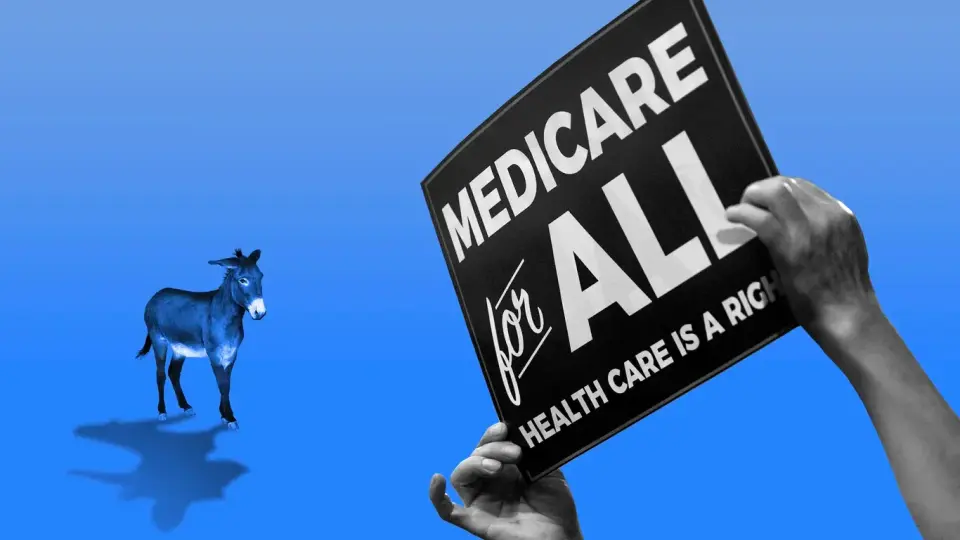
Support for a government-run health insurance system has risen significantly among U.S. voters ahead of the November midterms, driven by concerns over affordability and prescription costs. While trust in political leaders remains low, many Americans are open to expanding federal subsidies and drug price negotiations. Candidates across the political spectrum are using healthcare affordability as a central campaign theme, though definitions of reform vary from single-payer systems to targeted cost controls.
Key points
- An Axios-Ipsos poll found 43% of Americans support a Medicare for All program, with 32% undecided and 24% opposing. Support is highest among Democrats (62%) and independents (47%), while 21% of Republicans support the idea.
- Trust in President Trump for health information dropped to 20%, and trust in Health Secretary Robert F. Kennedy Jr. fell to 25%, both survey lows. Trust in congressional Republicans and Democrats also reached lows at 20% and 25%, respectively.
- Voters are more likely to support candidates who expand government subsidies for healthcare, reinstate expired Affordable Care Act tax credits, and expand prescription drug discount platforms. Half of respondents said they would be less likely to support candidates backed by pharmaceutical companies.
- A separate KFF Health Tracking Poll cited by NerdWallet found 66% of Americans support Medicare for All, an all-time high since 2016. Support is highest among Democrats (84%) and lowest among Republicans (34%).
- Opponents of Medicare for All cite concerns about lower quality of care, higher taxpayer costs, and increased government size. Some argue that state-level attempts, such as in California, failed due to economic impact concerns.
- Several Democratic candidates, including Abdul El-Sayed in Michigan and Juliana Stratton in Illinois, have made Medicare for All a central part of their platforms. Republicans, such as Ted Cruz, have criticized single-payer systems as economically destructive and fiscally unsustainable.
Background
Recent polling has shown a broader trend of voters seeking government intervention in economic issues, including a 63% support rate for pausing AI development and 61% support for a wealth tax. Democrats have also been capturing double-digit support from Republican voters in key Senate races, suggesting a potential shift in the 2026 midterms. Progressive Democrats have been pressuring party leadership to embrace more ambitious agendas, including Medicare for All, while centrist Democrats have historically favored public options with a role for private insurance.
How outlets are covering it
Axios and Ipsos emphasize that support for Medicare for All is driven by economic desperation rather than confidence in government, with trust in leaders at historic lows. NerdWallet highlights that candidates are using a range of healthcare slogans, from Medicare for All to 'take on Big Pharma,' to address affordability concerns. The National News Desk focuses on the sharp opposition from Republicans, including Ted Cruz, who argue that single-payer systems would be too costly and disruptive, citing California's failed attempt as evidence. The sources differ in their emphasis on the level of support, with KFF polling showing higher support than Axios-Ipsos, and in the framing of the debate, with some outlets focusing on the economic impact and others on the political implications.
Why it matters
Healthcare affordability is a top concern for voters, and the rising support for Medicare for All suggests that candidates who embrace socialized medicine or expanded government subsidies may have a path to victory in swing states. The low trust in political leaders indicates that voters are looking for practical solutions to economic pressures, rather than ideological commitments. The debate over Medicare for All is likely to shape the 2026 midterms, with candidates across the political spectrum using healthcare as a central issue to connect with voters.
What to watch
The next few weeks will see increased focus on healthcare affordability in campaign ads and coverage. Candidates are expected to emphasize their positions on Medicare for All, prescription drug prices, and government subsidies. The results of the November midterms will likely reflect the level of support for these policies, with swing-state candidates potentially embracing socialized medicine or expanded government subsidies to appeal to voters. The debate over Medicare for All is likely to continue, with proponents and opponents arguing over the economic impact, quality of care, and role of government in healthcare.
- Axios-Ipsos poll: "Medicare for All" support surges Axios
- Medicare for All Is the Big Policy Fight Splitting Democrats WSJ
- Dems push Medicare for All as Republicans, including Sen. Cruz, slam single-payer plan National News Desk
- Daily Dose: Medicare-for-All support hits record high, weight-loss drugs show signs of slowing aging and dogs offer new clues to Alzheimer's 10TV
- ‘Medicare for All’ to ‘Take on Big Pharma’: What’s Behind Healthcare Slogans NerdWallet
Want the full story? Read the original reporting
Read on Axios