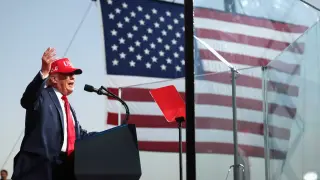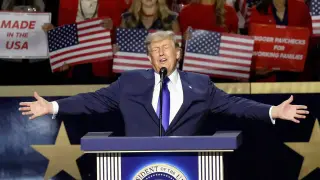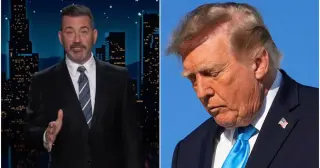
CNN data analyst Harry Enten says a core voter group that helped elect Trump—young men—has flipped on him, with Trump’s approval among that demographic now deeply negative and midterm polls showing Democrats leading by large margins among young men, signaling trouble for GOP candidates down the ticket.
New polls show Republicans and independents growing less confident in the economy under Trump, with Michigan's May sentiment data indicating a low for his term and rising inflation expectations, echoed by AP/NORC, Gallup, and CBS/YouGov. The GOP’s economic outlook is slipping even as some support remains for Trump on the Iran issue, signaling cracks in Republican confidence that could influence the political landscape this year.
New polling indicates Donald Trump’s approval is sinking among rural Americans as farmer anger grows, potentially eroding his support in crucial rural districts ahead of upcoming elections.
A Gallup poll shows Americans broadly oppose the rapid spread of AI data centers, with women expressing stronger opposition than men (55% of women strongly oppose versus 43% of men). Concerns cited include environmental impacts (water use, pollution) and higher utility bills, especially in low-income communities of color. Across the U.S., women—mothers and activists—are spearheading opposition efforts, influencing local campaigns and drawing bipartisan political attention to the issue.
A POLITICO poll conducted with Public First finds that endorsements—especially Trump’s—tend to generate backlash that outweighs any gains in battleground districts. Trump’s backing helps his supporters but hurts voters who backed Harris in 2024, making the endorsement net negative overall. Other endorsements (Medicare for All, AI regulation, pro-business tax cuts) show mixed effects, while crypto and AI groups often alienate voters from both parties. The results illustrate the tricky calculus candidates face in a polarized environment when accepting endorsements.
New polls reveal a growing American backlash to AI: over 70% think AI is advancing too quickly, and only 18% of 14–29-year-olds feel hopeful. The concern spans parties and demographics, while some industry leaders remain unfazed. Analysts warn that negative sentiment could slow data-center expansion and investor confidence, even as global views remain somewhat more positive about AI's benefits.
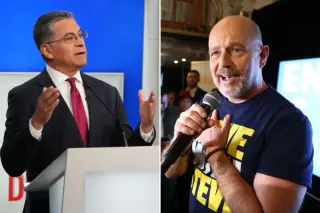
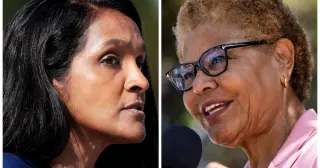
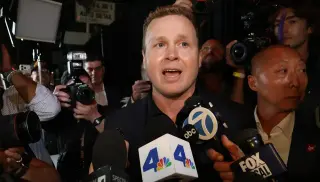
In Emerson College Polling’s latest survey, Los Angeles Mayor Karen Bass leads the mayoral field with about 30% but remains short of a majority, making a runoff with Spencer Pratt or Nithya Raman likely; Pratt is at 22% and Raman at 20%. In California’s governor race, Xavier Becerra has surged to 19% with Tom Steyer and Steve Hilton tied at 17%, signaling a tight primary as undecided voters shrink ahead of the June 2 vote.
A Gallup poll released this spring finds about 70% of Americans oppose having data centers in their communities, with opposition strong across parties and concerns about higher utility prices and environmental impacts fueling the backlash and shaping local politics around AI-driven infrastructure.
A POLITICO/Public First poll finds Democrats mainly worry about voter suppression while Republicans focus on voter fraud, revealing a deep partisan divide over what constitutes a 'stolen' election and broad concern for midterm integrity. The survey shows mixed beliefs on issues like mail-in voting, ICE at polling sites, and proof-of-citizenship requirements, with some areas of bipartisan agreement (e.g., same-day registration) but persistent disagreement on core election processes and trust in the system.
Trump’s average approval hovers around 35%, approaching Bush-era lows, as tariff policy, the Iran war, and rising living costs erode support and threaten Republican prospects in the 2026 midterms.
A Washington Post-ABC News-Ipsos poll finds 56% of Americans oppose Donald Trump’s plan to tear down the White House East Wing for a privately funded ballroom, with 28% in support; opposition is stronger among Democrats and remains relatively steady despite a temporary GOP uptick after the White House Correspondents’ Dinner shooting. Voters also oppose related vanity projects like a presidential arch and Trump’s signature on currency, and construction is stalled by a legal challenge even as lawmakers push for authorization or funding.
A memo from Americans for Prosperity Action warns that the Republican Senate majority is at risk unless the GOP unifies its cost‑of‑living messaging, arguing Democrats are currently more trusted on the economy and inflation. The memo urges a relentless focus on lowering costs as the unifying theme across policy fights. The article also covers House GOP battles over DHS funding, the FISA reauthorization, and the farm bill as leadership navigates intraparty divisions ahead of a recess.
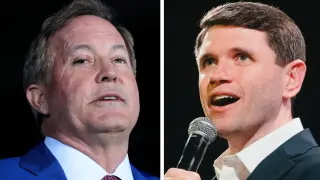
Democratic state Rep. James Talarico leads both Republican contenders in a new Texas Public Opinion Research poll of the U.S. Senate race, with 44% to 41% against Sen. John Cornyn and 46% to 41% against Attorney General Ken Paxton (margin of error ±2.5 percentage points; 1,865 likely general election voters). The poll, conducted April 17–20, finds Talarico’s support strongest among voters of color, college-educated Texans and independents, while Cornyn and Paxton trail in favorability. The race remains contestable as Republicans head to a May 26 runoff; Cook Political Report labels the seat likely Republican. The article also notes broader GOP and Democratic dynamics in Texas races, including Abbott’s lead in the governor’s race and upcoming runoff contests. A correction later clarified initial sample size and margin-of-error figures. This article originally appeared in The Texas Tribune.
After Eric Swalwell’s scandal, Xavier Becerra is seen as the Democrats’ safe, reliable choice for California’s governor, leveraging a long resume and calm demeanor to gain ground in polls, while rivals like Katie Porter and Tom Steyer stay competitive; critics say he needs more policy specifics amid a polarized field that also features GOP contenders leading in some surveys.
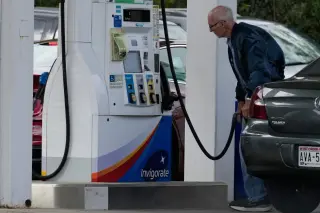
Gas prices in the Kansas City metro have risen about a dollar since the Iran war began, pushing local prices into the mid-3.50s per gallon as oil tops $100 a barrel. Residents express frustration, with some blaming political leaders or oil companies while others adjust by limiting trips and relying on rewards programs; a Reuters/Ipsos poll suggests about 77% of voters partly blame Trump for higher gasoline costs as the conflict persists.