
Record Surge of Democratic Doctors and Scientists Reshapes Congress Amid Health Policy Backlash
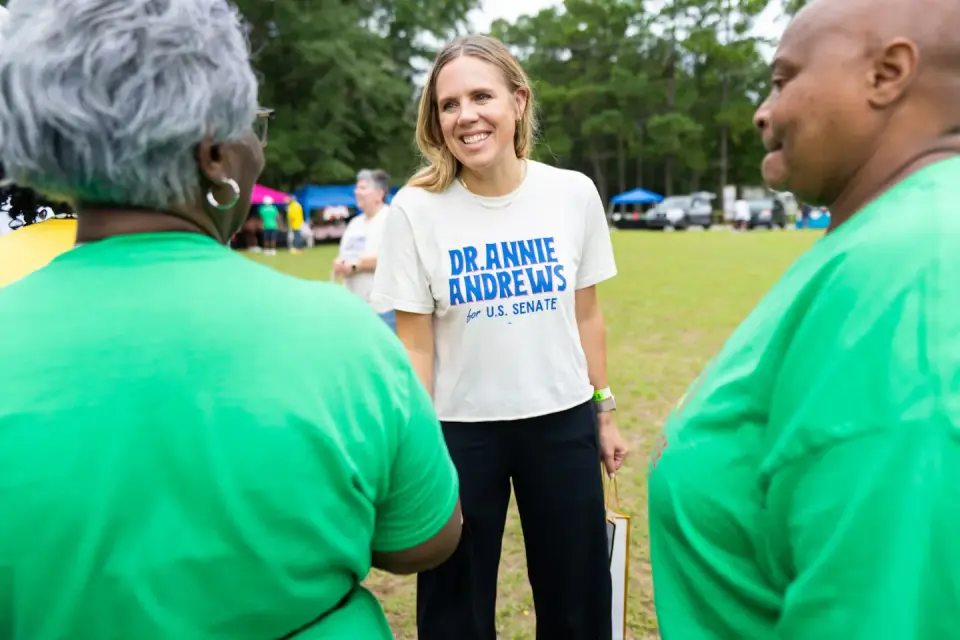
The 2026 midterms marked a historic shift as a record number of Democratic physicians, nurses, and scientists won seats in Congress. Backed by the PAC 314 Action, these candidates capitalized on voter dissatisfaction with healthcare costs and the policies of Health Secretary Robert F. Kennedy Jr. The results reversed decades of Republican dominance among medical professionals in government, with Democrats potentially outnumbering Republicans in the new physician caucus. Key wins include pediatrician Annie Andrews in South Carolina and epidemiologist Abdul El-Sayed in Michigan, signaling a new focus on public health and affordability in Washington.
Key points
- 314 Action, a political action committee focused on electing science and health professionals, reported an 80% success rate for its congressional candidates, spending over $30 million on campaigns.
- Democratic physician-lawmakers are projected to outnumber their Republican counterparts in the new Congress, reversing a trend where 86% of physician-members were Republican between 2011 and 2020.
- Notable victories include Dr. Annie Andrews (South Carolina Senate), Dr. Abdul El-Sayed (Michigan Senate), and Dr. Amy Acton (Ohio Governor), all of whom campaigned heavily on healthcare affordability and public health issues.
- Several prominent Republican doctors, including Senators Bill Cassidy and Roger Marshall, lost their seats, while others like Mariannette Miller-Meeks were defeated, marking a significant rebuke of the administration's health policies.
- The new Democratic lawmakers face immediate challenges, including implementing cuts from the 'One Big Beautiful Bill Act' and addressing a record measles outbreak that critics link to defunding of the CDC and FDA.
Background
Historically, physicians in Congress have predominantly been Republicans, often representing small business interests and opposing government overreach. The 2026 election marks a dramatic reversal, with the new Democratic cohort focusing on public health, equity, and affordability. This shift follows years of federal cuts to scientific institutions and healthcare programs under the current administration, which many voters viewed as detrimental to public safety and medical research.
How outlets are covering it
The Washington Post emphasizes the strategic impact of these new lawmakers on future healthcare agendas and their potential to scrutinize Health Secretary Robert F. Kennedy Jr. The Guardian frames the results as a 'revenge of the nerds,' highlighting the rejection of the Make America Healthy Again movement and the role of 314 Action in flipping seats. WIRED focuses on the financial and organizational success of 314 Action, noting its high win rate and specific fundraising efforts for key candidates. NPR provides a historical perspective, noting that the current number of physicians in Congress rivals the total count from 1960 to 2004, and highlights the diverse backgrounds of the new Democratic medical caucus.
Why it matters
The influx of medical professionals into Congress signals a potential overhaul of U.S. healthcare policy, with a focus on affordability, public health infrastructure, and scientific integrity. These new lawmakers are expected to challenge the current administration's approach to vaccine policy and federal funding, potentially reversing cuts to Medicaid and scientific research. Their presence may also influence the debate on single-payer healthcare and the regulation of pharmaceutical companies, reflecting a broader voter demand for accessible and affordable medical services.
What to watch
The new Democratic lawmakers will be sworn in in January 2027, coinciding with the implementation of significant Medicaid work requirements and insurance cuts. They are expected to prioritize reversing these cuts and advancing healthcare affordability measures. Additionally, public health organizations are calling for the removal of Health Secretary Robert F. Kennedy Jr., and the new Congress may face intense lobbying from insurers and drug companies as they navigate complex health policy proposals.
- A ‘STEM wave’: Democratic doctors, scientists win a record number of seats in the midterms The Washington Post
- ‘Revenge of the nerds’: US midterms deliver a win for science – and a rebuke of Maha The Guardian
- The Blue Tsunami Swept Doctors and Scientists Into Office WIRED
- It was a big night for doctors to win seats in Congress, riding the blue wave NPR
- Election 2026: Doctors who won and lost races for Congress Chief Healthcare Executive
Want the full story? Read the original reporting
Read on The Washington Post