
Federal Election Interference Escalates Ahead of 2026 Midterms
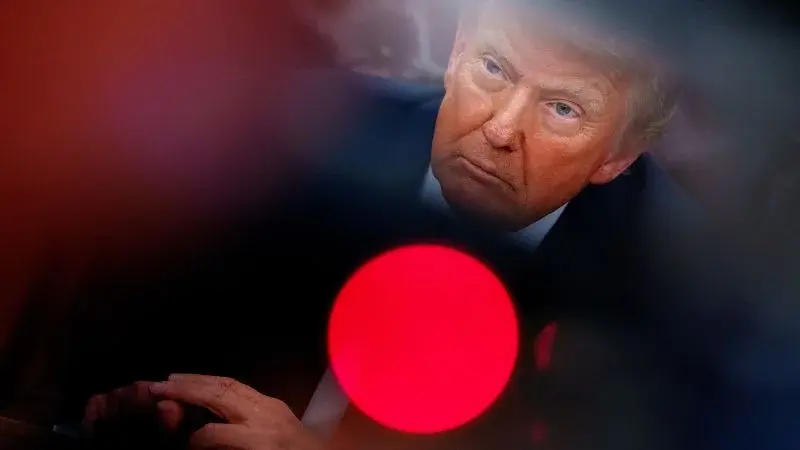
President Donald Trump’s administration is intensifying efforts to influence the 2026 midterm elections through federal interventions in voting processes. The Department of Homeland Security is investigating alleged voter fraud in select states, while a new USPS system for verifying mail ballots faces legal challenges and whistleblower concerns. Critics argue these moves disproportionately affect Democratic voters and lack constitutional basis, though courts have not yet fully resolved the disputes.
Key points
- DHS is using Homeland Security Investigations to probe alleged voter fraud in a few states, an unusual move so close to the election.
- A federal whistleblower warned that the new USPS mail ballot verification system could reject entire batches of ballots if discrepancies are found, potentially disenfranchising voters.
- Trump has not ruled out declaring a national security emergency to impose voting restrictions that Congress has not passed.
- Wyoming Governor Mark Gordon accused federal election monitors of aggressive behavior during the state primary, highlighting tensions between federal and state election oversight.
- The administration’s claims of widespread noncitizen voting have been debunked by experts and previous investigations.
Background
This escalation follows earlier concerns about Trump’s attempts to influence elections, including his 2020 claims of fraud and the January 6, 2021, Capitol breach. In August 2026, a whistleblower already flagged risks of the USPS portal rejecting mail ballots. The 2026 midterms are critical for Trump, as losing control of Congress could limit his power in his final two years.
How outlets are covering it
CNN emphasizes the irregularity of DHS’s late-stage fraud investigations and the potential for mass disenfranchisement via the USPS system. The Orlando Sentinel and New York Daily News editorial boards argue that the federal government lacks constitutional authority to control voter eligibility, calling the USPS ballot restrictions an overreach. AJC readers’ opinions highlight fears that anti-voter laws target specific demographics, such as women and youth, to suppress opposition votes. All sources agree that the administration’s actions are unprecedented and potentially harmful to democratic norms, but they differ on the likelihood of these measures succeeding due to legal and practical barriers.
Why it matters
These developments could significantly impact voter access and turnout in the 2026 midterms, potentially altering the balance of power in Congress. If the administration’s efforts succeed, it could set a precedent for federal interference in future elections, undermining the integrity of the democratic process. Conversely, if courts block these measures, it could reinforce state control over elections and limit presidential overreach.
What to watch
The outcome of ongoing litigation over the USPS mail ballot verification system will be crucial. Courts may issue rulings that block or allow the administration’s plans. Additionally, the administration’s potential declaration of a national security emergency to impose voting restrictions could lead to further legal challenges. State officials and election workers will continue to monitor and resist federal interventions, while voters may face increased scrutiny and potential barriers to casting ballots.
- The light is blinking red on Trump messing with the 2026 election CNN
- Opinion | Trump Is in Open Revolt Against the Constitution The New York Times
- How Democrats in Congress are preparing for Trump midterm election interference NPR
- Opinion: Readers write AJC.com
- Editorial: Don’t let Trump control elections — at all Orlando Sentinel
Want the full story? Read the original reporting
Read on CNN