
Religious Democrats Shatter GOP Grip on Faith in 2026 Midterms
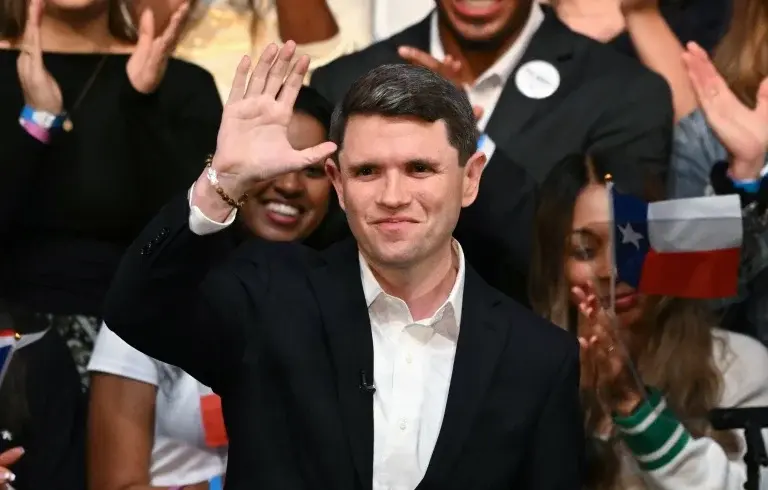
In the November 2026 midterm elections, a wave of openly religious Democratic candidates broke the Republican dominance over faith-based voting. Key victories included Presbyterian seminarian James Talarico in Texas and Methodist pastor Adam Hamilton in Kansas, both in deeply conservative states. These wins, alongside the election of the first Muslim senator, Abdul El-Sayed, in Michigan, suggest a strategic shift for the Democratic Party. By leveraging biblical themes of kindness and justice, these candidates appealed to voters disillusioned with aggressive immigration enforcement and polarization, challenging the long-standing assumption that religious voters exclusively favor Republicans.
Key points
- James Talarico defeated Republican Ken Paxton for the U.S. Senate in Texas, ending decades of Republican control in the state.
- Adam Hamilton, a Methodist megachurch pastor, won the U.S. Senate seat in Kansas, a state that had not elected a Democratic senator since 1932.
- Abdul El-Sayed was elected as the first Muslim U.S. senator from Michigan, marking a significant religious breakthrough for the Democratic Party.
- Six clergy or pastors-in-training won seats as Democrats, helping the party recapture Congress and weaken President Donald Trump’s political base.
- Candidates like Talarico and Hamilton emphasized a 'politics of love' and biblical commands to care for the vulnerable, contrasting with conservative evangelical stances on immigration and social issues.
Background
Prior to the 2026 midterms, the Democratic Party had historically struggled to connect with religious voters, who were predominantly aligned with the Republican Party’s emphasis on traditional family values. Recent archive coverage highlighted the historic nature of the Texas and Kansas races, noting that Texas had not elected a Democrat to statewide office since 1994, and Kansas had not elected a Democratic senator since 1932. The 2026 results represent a significant departure from these long-standing trends, driven by voter frustration with economic issues and aggressive immigration enforcement tactics.
How outlets are covering it
Barron’s frames the results as a strategic breakthrough for the Democratic Party, arguing that religious candidates have 'cracked the code' for appealing to conservative voters. The outlet emphasizes the potential for this model to reshape the political landscape in the South and Midwest. MS Now offers a more nuanced view, questioning whether these candidates will maintain a strict separation between church and state. It notes that while Black Democrats have historically used faith in politics, the rise of white mainline Protestant Democrats in red states is a new phenomenon. MS Now also highlights the tension between these candidates’ liberal policies and their religious identities, suggesting they are anti-fundamentalist rather than anti-religion. The New York Times focuses on the cultural shift in Texas, describing Talarico’s victory as a 'different kind of Christianity' ascending, characterized by progressive values and a rejection of conservative evangelical dominance. All three outlets agree that the 2026 midterms mark a significant shift in the relationship between faith and political party affiliation in the United States.
Why it matters
The 2026 midterm results indicate a potential long-term shift in American politics, as the Democratic Party successfully integrates faith-based messaging into its platform. This could make Democrats more competitive in conservative areas, challenging the Republican Party’s traditional base. The success of religious candidates like Talarico and Hamilton suggests that voters are increasingly receptive to candidates who combine liberal policies with religious conviction, potentially reshaping the political landscape for years to come. However, the long-term impact remains uncertain, as these candidates must now deliver results on economic issues like affordability to sustain their support.
What to watch
The newly elected religious Democrats will face pressure to deliver tangible results on economic issues, particularly affordability, to maintain voter support. Hamilton has warned that without progress on these issues, the Democratic victory could be a 'one-and-done' blue wave. The party will likely continue to recruit and run religious candidates in conservative areas, testing the limits of this new strategy. Additionally, the tension between these candidates’ liberal policies and their religious identities may lead to internal party debates and external criticism from conservative evangelical groups. The 2028 election cycle will be a key test of whether this shift in faith-based voting is sustainable or a temporary phenomenon.
- Wins By Religious Democrats Break Republican Grip On Faith In Politics Barron's
- Opinion | Can James Talarico and other newly-elected religious Democrats restore the separation of church and state? MS NOW
- What Talarico’s Win Reveals About Christianity in Texas The New York Times
- The ‘religious left’ may be rising – but Black Christian women have been there all along The Conversation
- The Bible Chapter That Helps Explain the New Christian Left The New York Times
Want the full story? Read the original reporting
Read on Barron's