
Rural Voter Absence and Economic Grievance Drive Historic Democratic Gains in 2026 Midterms
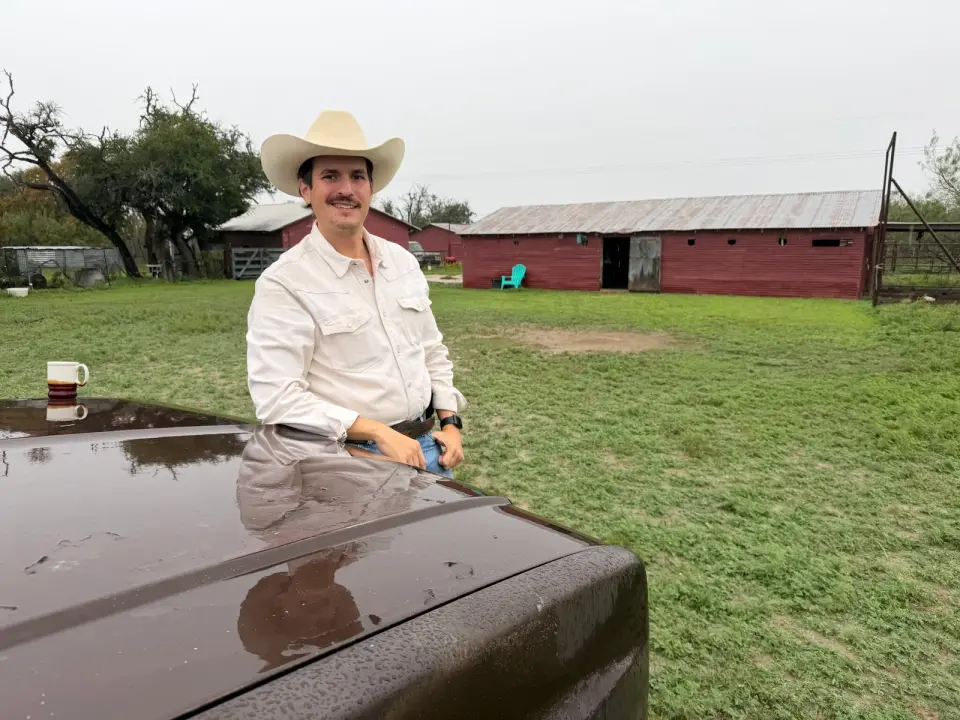
In the 2026 midterm elections, a significant drop in rural Republican turnout and a shift in voter sentiment helped Democrats secure historic victories in Texas, Kansas, Montana, and Iowa. Key issues driving this change included high fuel and fertilizer costs, the expansion of data centers, and dissatisfaction with federal policies like the Iran war and beef import tariffs. In Texas, Democrats won all top statewide offices, including the governorship and agriculture commissioner, for the first time in over three decades. Meanwhile, congressional negotiations on the Farm Bill have stalled, with Republicans softening their stance on SNAP cost-sharing delays due to their electoral losses.
Key points
- Clayton Tucker is set to become the first Democratic Texas agriculture commissioner since 1991, taking office in January 2027.
- Democrats improved their performance in all 254 Texas counties in the U.S. Senate race compared to 2024.
- Rural voter turnout decreased significantly, with approximately 90% of Texas counties showing lower turnout being rural.
- Adam Hamilton became the first Kansas Democrat to win a Senate seat since 1932, aided by rural backlash over fuel and fertilizer prices.
- Sam Forstag became the first Montana Democrat to win a U.S. House seat since 1994.
- Democrats won the governor's race, a Senate seat, and three of four congressional seats in Iowa.
Background
This election result follows a trend of eroding Republican support in rural areas observed in late 2026. Previous analyses indicated that rural voter support for Republicans had dropped to just under 50% ahead of the midterms, driven by economic anxiety, tariffs, and the Iran war. The 2026 midterms marked a culmination of these sentiments, with Democrats breaking a decades-long Republican grip on statewide offices in Texas and making historic inroads in other agricultural states. The shift was also influenced by specific policy grievances, such as the suspension of beef import tariffs, which failed to lower consumer prices while angering producers.
How outlets are covering it
Stateline emphasizes the role of rural voter absence and economic grievances, such as high fuel prices and data center expansion, in driving Democratic victories. The outlet highlights the strategic focus of the Democratic Party on rural issues and the resulting shift in traditionally red counties. POLITICO Pro focuses on the legislative consequences of these electoral losses, noting that Republicans are softening their stance on Farm Bill negotiations, particularly regarding SNAP cost-sharing delays, due to their weakened position. The Great Bend Tribune provides a local perspective from Kansas, highlighting the impact of input prices and drought on agricultural producers and the uncertainty surrounding the Farm Bill. Biofuels International Magazine, while not directly covering the election, provides context on the biofuel industry, which is affected by agricultural policies and fuel prices, indicating the broader economic landscape influencing rural voters.
Why it matters
The 2026 midterms signal a significant shift in the political landscape of rural America, with Democrats gaining ground in traditionally Republican areas. This shift has immediate implications for agricultural policy, as seen in the softening of Republican positions on the Farm Bill. The results also highlight the growing influence of economic grievances, such as high fuel and fertilizer costs, in shaping voter behavior. As Democrats take control of key offices in states like Texas, they are poised to implement policies that address these rural concerns, potentially altering the political dynamics of agricultural states for years to come.
What to watch
Democrats in Texas are expected to push for a moratorium on data centers and repeal of the private school voucher program. Congressional negotiations on the Farm Bill will continue, with Republicans potentially conceding on the SNAP cost-sharing delay to secure a deal before the end of the year. The new Congress, with a more balanced partisan composition, may see increased bipartisan cooperation on agricultural and economic issues. Rural voters will continue to monitor the impact of these policies on their economic conditions, with fuel and fertilizer prices remaining a key concern.
- This time, rural voters ‘just weren’t there’ for the GOP Stateline
- Article | Republicans open to Democrats’ key farm bill demand, as time runs out for a deal POLITICO Pro
- An agricultural wish list for Kansas Great Bend Tribune
- ACE calls on Senate leaders to advance year-round E15 before year end Biofuels International Magazine
- How the ‘Blue Wave’ Could Shake Up Food and Ag Policy Civil Eats
Want the full story? Read the original reporting
Read on Stateline