
San Antonio Stalls ICE Detention Center via Lawsuit and Leasing Disputes
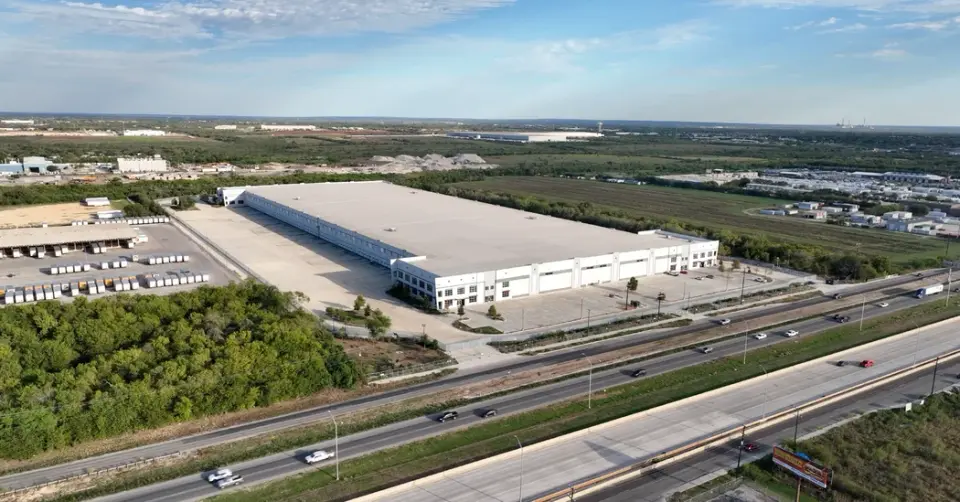
San Antonio is using legal and administrative tactics to delay the Trump administration’s plan to convert a warehouse into a 1,500-person ICE detention center. A lawsuit filed by the city has prompted a pause in construction for environmental reviews, while a separate leasing dispute at the Brooks development has halted office space plans. Local officials aim to stall these projects until Democrats take control of Congress in January.
Key points
- San Antonio filed a lawsuit to block the conversion of an East Side warehouse into an ICE detention center for 1,500 people.
- The Department of Homeland Security agreed to pause construction while conducting environmental reviews under the National Environmental Policy Act.
- ICE attempted to lease 75,000 square feet of office space at the Brooks development for $51 million over 15 years, but the lease was voided due to a violation by the sublessor.
- Mayor Gina Ortiz Jones and city council members are reviewing police cooperation with ICE, while state lawmakers filed bills to end 287(g) agreements.
- Representative Joaquin Castro stated that the current delays are temporary measures to await a Democratic majority in Congress in January.
Background
This development follows a broader national trend of local resistance to federal immigration enforcement, including sanctuary policy expansions in California and New York. The current standoff in San Antonio mirrors earlier conflicts where cities used legal challenges to delay federal detention facilities, reflecting a growing tension between local jurisdictions and the Trump administration’s immigration priorities.
How outlets are covering it
The New York Times emphasizes the strategic timing of the lawsuit, highlighting Representative Joaquin Castro’s hope that a new Democratic majority in Congress will permanently block the project. The San Antonio Current focuses on the administrative failure at the Brooks development, noting that the Brooks Development Authority is issuing a notice of default against the sublessor for violating lease terms. KABB highlights the federal government’s economic arguments, citing ICE projections of 1,211 jobs and $134.2 million in GDP impact, while also detailing the DOJ’s outreach to pause the lawsuit for environmental compliance. The outlets differ in focus: The Times views the delay as a political tactic, the Current highlights bureaucratic hurdles, and KABB presents the federal justification alongside the legal pause.
Why it matters
The success of San Antonio’s legal and administrative challenges could set a precedent for other cities resisting federal detention facilities. If the environmental reviews or leasing disputes succeed in delaying or blocking the project, it may influence how other jurisdictions engage with the Department of Homeland Security. Furthermore, the potential passage of state legislation to end 287(g) agreements could significantly alter local police cooperation with federal immigration enforcement, impacting community trust and public safety dynamics in Texas.
What to watch
The city and the Department of Justice are currently negotiating the terms of a pause agreement for the environmental review process. Meanwhile, state lawmakers are advancing bills to restrict police cooperation with ICE, and the Brooks Development Authority is preparing to issue a formal notice of default. The ultimate outcome of the warehouse project will likely depend on the actions of the new Democratic majority in Congress after January 2027.
- San Antonio Fights Plan to Turn Warehouse Into ICE Detention Center The New York Times
- San Antonio, DOJ begin talks over potentially pausing ICE detention facility plans KSAT
- ICE’s office space at San Antonio’s Brooks on hold as development cites leasing violation San Antonio Current
- Brooks challenges ICE office leases, gives developer 60 days to respond Texas Public Radio | TPR
- DHS responds to pause on East Side ICE Facility amid environmental protection compliance KABB
Want the full story? Read the original reporting
Read on The New York Times