The Supreme Court declined to intervene in Brian Flores’s discrimination lawsuit against the NFL, allowing the case alleging racial bias in coaching hires to proceed in the lower courts.
Two Vietnam veterans, joined by a historian, filed suit to block a planned 250-foot arch between Arlington National Cemetery and the Lincoln Memorial, arguing the project was rushed, lacks proper congressional authorization, and would disrupt the Lincoln-Lee sightline; they say opposing the arch is a form of loyalty to the country. The Justice Department moved to dismiss the case for lack of standing, officials say Congress already authorized the plan, the U.S. Commission for Fine Arts approved the arch, and a federal judge denied a temporary halt to construction.
A federal judge tossed Michael Wolff’s anti-SLAPP suit against Melania Trump after ruling he was trying to litigate a dispute before a formal lawsuit existed, but Wolff says he will continue pursuing the claims via state and/or federal routes, arguing his remarks were protected speech; the judge criticized “tactical gamesmanship,” leaving the legal battle far from over.
JPMorgan Chase executive Lorna Hajdini reveals disturbing emails after ex-banker Chirayu Rana accused her of turning him into a sex slave, while Hajdini counters that Rana fabricated the allegations as leverage; JPMorgan says the claims are meritless and an internal investigation found no supporting evidence, even as Rana frames the dispute as gender inequality and public scrutiny continues.
A coalition including a former January 6 prosecutor and a professor acquitted in a related case filed in Virginia to block an $1.8 billion 'anti-weaponization' fund, arguing it lacks legal authority, discriminates in favor of supporters of the Trump administration, and was created as part of a settlement not overseen by a court.
A Kentucky school district has reached a settlement with Meta in a lawsuit alleging that social media harms affected students; terms of the agreement were not disclosed.
Two Washington, DC police officers filed a lawsuit against the Trump administration to dissolve a $1.776 billion ‘anti-weaponisation’ fund created from a settlement with the DOJ, arguing it would finance January 6 rioters and endanger officers who defended the Capitol, despite ongoing threats; the fund’s creation and oversight are controversial, and more legal challenges to the settlement are expected.
Two Jan. 6 officers filed suit to dissolve Trump’s $1.8 billion fund for alleged weaponized prosecutions, describing it as a corrupt, taxpayer-funded slush fund that could reward rioters and endanger officers; a five-member commission will hear claims and decide eligibility.
Two officers who defended the Capitol on January 6 filed a federal lawsuit accusing President Trump of creating a $1.776 billion taxpayer-funded 'anti-weaponization' fund to compensate insurrectionists, calling it presidential corruption; the fund arose from a settlement linked to a prior IRS suit, with Trump aides named as defendants. The case adds to ongoing scrutiny of Trump’s post-2020 finances and rhetoric.
Two officers who defended the Capitol on Jan. 6 filed suit to stop the federal government’s $1.8 billion 'anti-weaponization' fund, calling it a taxpayer‑funded slush fund to reward insurrectionists. The fund would be overseen by five commissioners appointed by Acting Attorney General Todd Blanche, would allow claims from those harmed, and operate with limited public scrutiny; payouts to rioters are not guaranteed. The officers argue the setup could incentivize violence, while supporters say it could provide redress for victims.
An Iowa man, Kyle Owens, sues Nintendo of America and Pokémon Company International in federal court, alleging that denying his Pokémon Professor certification violates the Sherman Act and seeking $341,000 in damages plus restoration of Professor status and access to official tools and events. Owens passed the Professor exam with 100% but failed the background check after it flagged a 2022 arrest warrant; he was later told his score dropped to 80% and he was denied certification. He argues the denial harms competition and consumer access by removing a qualified local host from the official Pokémon Play system; defendants have not yet responded.
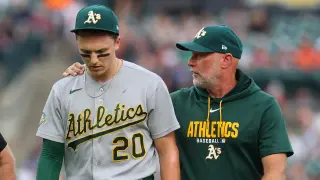
Vikings defensive coordinator Brian Flores will amend his 2022 lawsuit against the NFL and teams to include a retaliation claim tied to the league’s arbitration provisions, arguing the policy blocked his head-coaching prospects; discovery is advancing, with Flores seeking information on hiring practices from all 32 teams.
A lawsuit claims Sony could profit from Trump-era tariffs by keeping higher PS5 prices in the US and then collecting tariff refunds, with plaintiffs arguing refunds should go to buyers who paid the higher price. Proving a direct link between the price increase and tariffs, and proving consumer harm, is contested; Nintendo faces similar suits, and the outcome remains uncertain as the case is early.
A US federal jury in Oakland unanimously ruled Elon Musk’s lawsuit against OpenAI was time-barred by the statute of limitations, finding no liability over OpenAI’s direction; Musk said he will appeal, and the trial underscored a deeprift over OpenAI’s nonprofit origins and its move toward profitability amid Microsoft partnerships.
Japan's Patent Office denied Nintendo and The Pokémon Company's patent on touchscreen Poké Ball–style capture mechanics for lacking an inventive step, adding another setback to their ongoing patent battles against Pocketpair's Palworld. Nintendo may amend the claims, but the ruling blocks the broad touch-screen capture idea from patent protection.