
Saphier’s Vaccine Testimony Sparks Debate on Clarity vs. Nuance
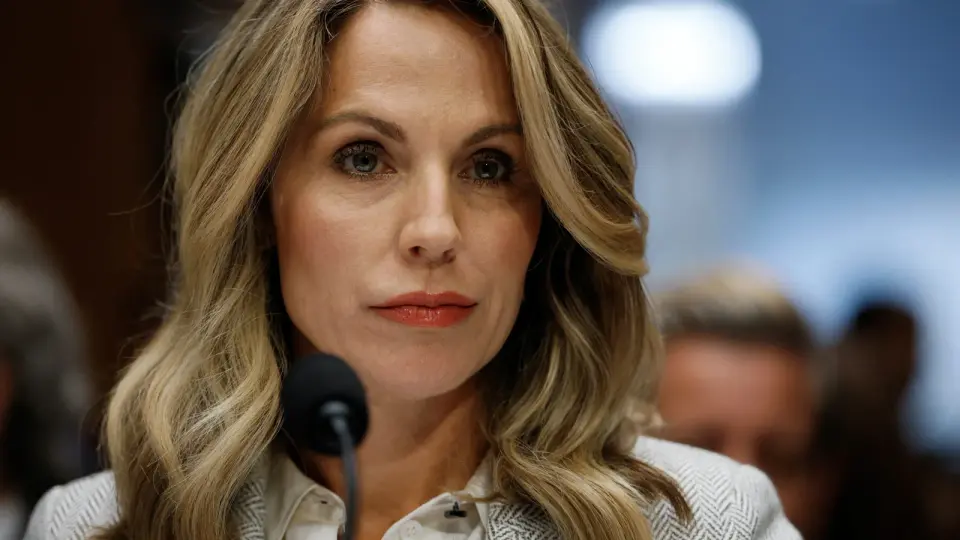
Dr. Nicole Saphier, President Trump’s nominee for surgeon general, faced intense scrutiny during her September 16 Senate confirmation hearing regarding the MMR vaccine. While she affirmed that vaccines do not cause autism and are essential for combating measles, her cautious phrasing drew sharp criticism from Senate Health Committee Chair Bill Cassidy. Cassidy argued that Saphier’s language left 'wiggle room' for misinformation, contrasting her approach with the administration’s vaccine-skeptical policies. The hearing highlighted tensions between public health evidence and political messaging amid a severe measles resurgence.
Key points
- Saphier stated she has not seen repeatable evidence linking vaccines to autism but used cautious language that Cassidy criticized as ambiguous.
- Cassidy, a physician, pressed Saphier to explicitly state that the MMR vaccine does not cause autism, warning against 'feeding into untruths.'
- Saphier affirmed that the MMR vaccine is the 'greatest tool' for combating measles and supports herd immunity, despite avoiding direct confrontation with the president's claims.
- The hearing occurred amid a 35-year high in US measles cases, with Pennsylvania reporting four deaths this year, some of which were initially questioned by HHS Secretary Robert F. Kennedy Jr.
- Saphier, a Fox News contributor and health influencer, pledged to follow evidence-based science while acknowledging the president’s efforts to reach vaccine-hesitant populations.
Background
Saphier is the third nominee for surgeon general after Trump withdrew previous picks, Casey Means and Janette Nesheiwat. Her nomination follows a period of significant vaccine hesitancy and policy shifts under HHS Secretary Robert F. Kennedy Jr., who has promoted discredited theories linking vaccines to autism. The US is currently experiencing its worst measles outbreak in over three decades, with leading medical organizations attributing the surge to under-vaccination and administration statements that undermine public trust in immunizations.
How outlets are covering it
USA Today and The Guardian focused on the heated exchange between Saphier and Cassidy, highlighting Cassidy’s frustration with Saphier’s lack of directness. CNN provided broader context on Saphier’s background as a social media influencer, noting concerns about how her brand and audience might influence public health messaging. While USA Today and The Guardian emphasized the immediate political clash over vaccine safety, CNN analyzed the structural challenges of an influencer holding a government role, citing Pew Research data on public trust in influencers versus traditional experts. All sources agreed that Saphier ultimately supported vaccines but differed on whether her communication style was effective or dangerous for public health.
Why it matters
The confirmation of the surgeon general, often called the nation’s top doctor, carries significant weight in shaping public health policy and trust. Saphier’s ability to navigate between political pressures and scientific consensus could influence vaccination rates during a critical measles outbreak. Her background as an influencer raises questions about how public health messaging will be delivered in an era of fragmented information sources, potentially affecting the nation’s response to preventable diseases.
What to watch
The Senate Health, Education, Labor, and Pensions Committee is expected to vote on Saphier’s nomination, though no specific date has been announced. The committee is also considering nominees for deputy HHS secretary and the Substance Abuse and Mental Health Services Administration. Saphier’s confirmation will determine whether the administration continues its current vaccine-skeptical approach or shifts toward evidence-based public health guidance.
- This intense exchange with Trump's surgeon general pick is going viral. Why? usatoday.com
- Senators question Trump's picks for top health positions, including surgeon general NPR
- What a social media influencer turned surgeon general could mean for public health in the US cnn.com
- Republican senator blames Trump administration policies for measles deaths in Pennsylvania The Guardian
- Surgeon General Nominee Pledges Support for Vaccines in Senate Hearing The New York Times
Want the full story? Read the original reporting
Read on usatoday.com