
Seattle Mayor Wilson Proposes $9.1B Budget with No New Taxes, Prioritizing Police Funding and Cuts
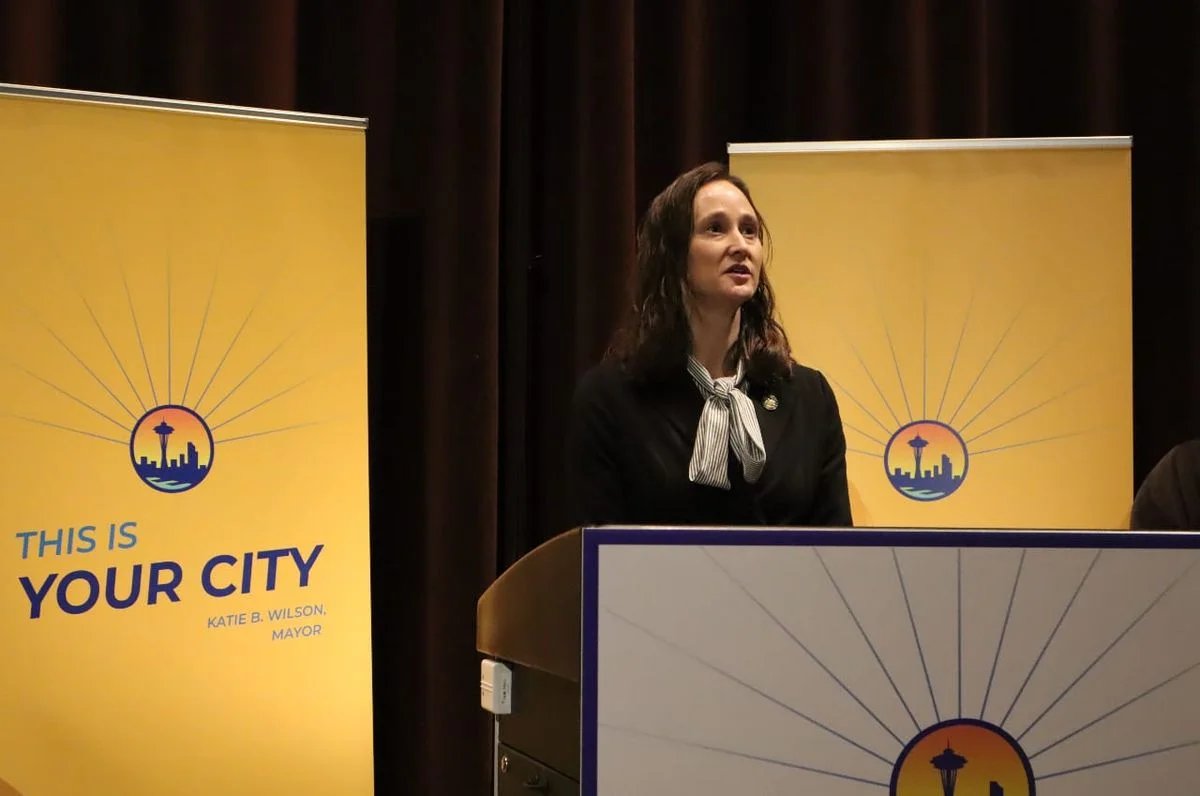
Seattle Mayor Katie Wilson released her first budget proposal, a $9.1 billion plan for 2027-2028 that avoids new taxes by cutting $50 million from the General Fund and reallocating JumpStart funds. The budget increases police funding by $68 million while eliminating 128 positions, mostly vacant roles. Wilson aims to balance the city's $175 million deficit without dipping into reserves, though the plan faces criticism from City Council members over cuts to crisis response and the use of payroll tax funds for general operations.
Key points
- The $9.1 billion budget addresses a $175 million deficit through $50 million in General Fund cuts and no new revenue sources.
- Seattle Police Department funding increases by $68 million to $556 million, adding 66 officer positions despite cuts to recruitment incentives.
- 128 city positions are eliminated, 113 of which are unfilled; 15 filled roles in IT, construction, and other departments will be cut.
- The plan transfers $200 million from the JumpStart payroll tax to the General Fund, shifting funds away from its original affordable housing purpose.
- City Council is set to vote on the final budget by November 20, with debates expected over cuts to the Community Assisted Response and Engagement (CARE) program.
Background
Seattle has struggled with a persistent budget deficit since the pandemic, often relying on the JumpStart payroll tax to cover shortfalls. Previous administrations, including Bruce Harrell's, faced criticism for using this tax to fund general operations rather than its intended goals like affordable housing and green initiatives. Wilson's proposal marks the first budget since 2019 to project no deficit through 2030, aiming to reverse years of fiscal instability.
How outlets are covering it
The Urbanist highlights the budget's focus on fiscal discipline and its alignment with business interests, noting the lack of new progressive revenue despite Wilson's prior advocacy. KUOW emphasizes the tension between police funding increases and cuts to crisis response, with Council Chair Dan Strauss arguing the deficit was worsened by new investments. KOMO focuses on the absence of new taxes and the political implications for Wilson's progressive base, while noting the council's upcoming role in shaping the final budget. All sources agree on the core figures but differ on the interpretation of the trade-offs between public safety and social services.
Why it matters
The budget sets the fiscal tone for Wilson's first term, balancing public safety priorities with social service cuts. It tests the limits of using existing revenue streams like the JumpStart tax to address structural deficits without raising new taxes, a move that could influence future policy debates on progressive revenue and service delivery in Seattle.
What to watch
The Seattle City Council will review the proposal, hold hearings, and vote on the final budget by November 20. Council members may propose changes, particularly regarding cuts to CARE and the use of JumpStart funds. The outcome will determine the city's fiscal trajectory and the balance between public safety and social services in the coming years.
- Wilson Focuses on Fiscal Discipline, No New Taxes in Budget Proposal The Urbanist
- Seattle Mayor Wilson’s first budget proposal adds cops, trims departments with no new taxes KUOW
- What happens next for Wilson’s no-new-taxes budget as Seattle City Council weighs changes KOMO
- Wilson Seeks to Clean House Ahead of First Budget Rollout The Urbanist
- Seattle business leaders react to Mayor Wilson’s budget plan seattletimes.com
Want the full story? Read the original reporting
Read on The Urbanist