
Xi’s Tarmac Welcome Secures Two-Month Trade Truce Extension to January
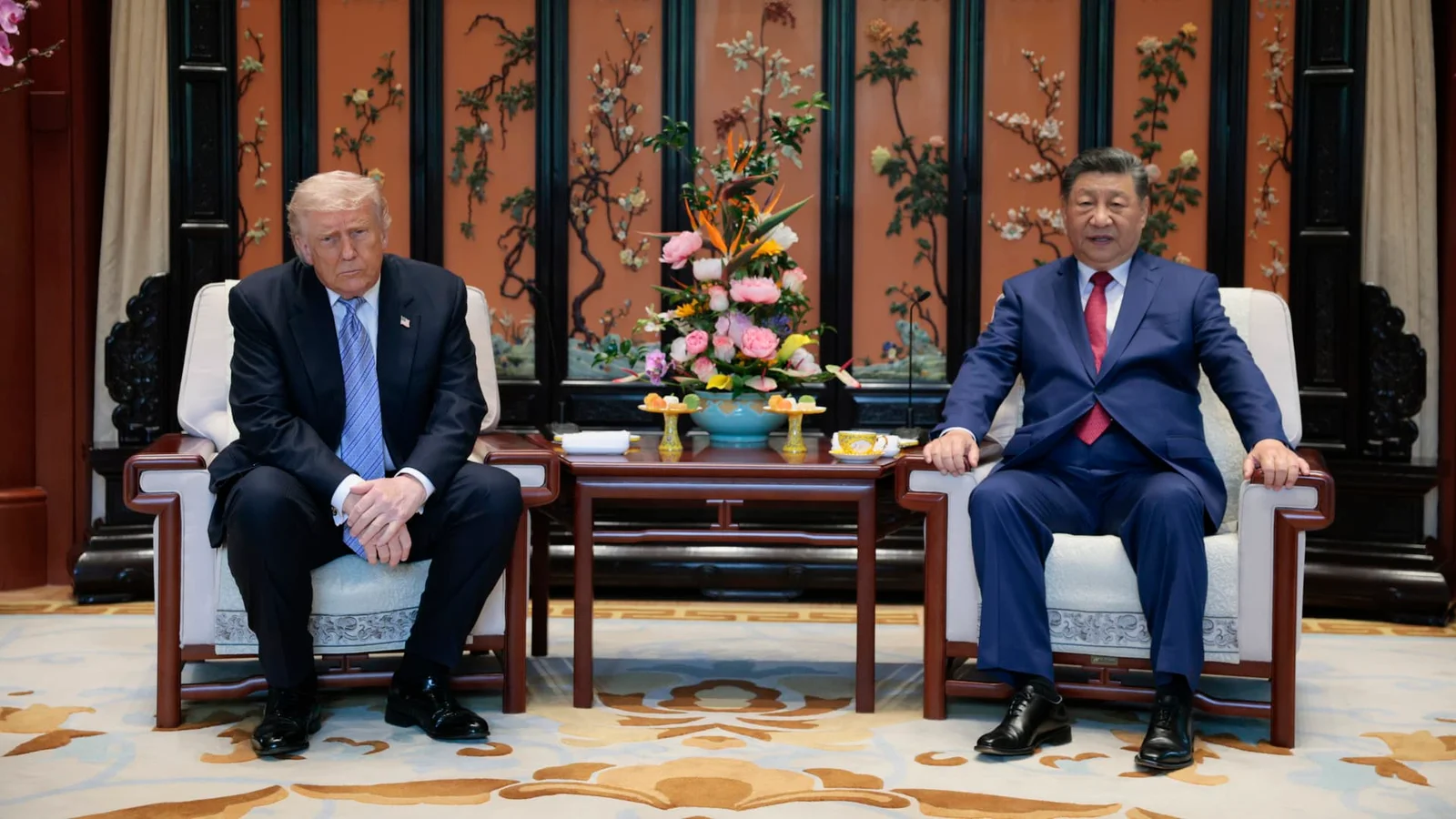
U.S. President Donald Trump welcomed Chinese President Xi Jinping on the tarmac at Joint Base Andrews, a rare gesture for a foreign leader, coinciding with the announcement that the U.S.-China trade truce has been extended by two months to January 10, 2026. Treasury Secretary Scott Bessent confirmed the extension, noting that while a larger deal is possible, the current arrangement will continue to keep tariffs in check and critical mineral exports flowing. The brief extension reflects Washington’s desire to test Beijing’s compliance with agricultural purchase commitments before granting further predictability.
Key points
- Trump gave Xi a tarmac welcome, the first for a foreign leader in roughly six decades, excluding papal visits.
- Treasury Secretary Scott Bessent announced the trade truce is extended to January 10, 2026.
- The original truce, struck in October 2025 in Busan, paused triple-digit tariffs and eased restrictions on high-tech and critical mineral exports.
- Bessent indicated uncertainty about whether a larger deal can be reached, suggesting the current deal may simply be rolled over.
- Beijing is behind schedule on its 2026 non-soybean agricultural purchase targets, prompting U.S. pressure for better compliance.
- The 10-year Treasury yield jumped to 5.135%, its highest since July 2007, driven by inflation data and hawkish Fed comments.
Background
This development follows Xi’s first state visit to the U.S. in over a decade, which began on Wednesday. Previous coverage noted that while the tarmac welcome signaled a focus on personal diplomacy, analysts cautioned that concrete policy deliverables remained unclear amid ongoing U.S.-China rivalry over tariffs, AI, and alliances. The trade truce itself was originally established in October 2025 during a meeting in Busan, South Korea, where both sides agreed to roll back restrictions on critical minerals and high-tech exports that had threatened global supply chains. The current extension is shorter than the six-month period many analysts had anticipated, reflecting Washington’s dissatisfaction with Beijing’s performance on agricultural commitments, including missed 2025 soybean targets and lagging non-soybean purchases for 2026.
How outlets are covering it
CNBC emphasizes the symbolic nature of the tarmac welcome and the broader market implications, such as the surge in Treasury yields and the contrasting stances on AI oversight between Trump and tech leaders. Politico focuses on the specific mechanics of the trade extension, highlighting Bessent’s uncertainty about a larger deal and the U.S. government’s strategy to force China to 'earn' the next extension by meeting its agricultural obligations. Both outlets agree on the January 10 deadline but differ in emphasis: CNBC frames the event as a diplomatic breakthrough that buys time, while Politico frames it as a tactical move to pressure Beijing into compliance, noting that Beijing had sought a longer period of predictability.
Why it matters
The two-month extension provides a temporary reprieve from escalating tariffs but signals that the U.S. remains skeptical of China’s commitment to trade agreements. The short timeline forces Beijing to demonstrate tangible progress on agricultural purchases, or risk a return to higher tariffs. Meanwhile, the tarmac welcome underscores a shift toward personal diplomacy between the two leaders, potentially influencing future negotiations on AI and other strategic issues. The simultaneous surge in Treasury yields highlights the broader economic uncertainty, with investors pricing in further Federal Reserve rate hikes due to persistent inflation.
What to watch
The U.S. and China are expected to discuss AI safety and potentially financial services and agricultural purchases during Xi’s visit. By January 10, the U.S. administration will assess whether China has met its agricultural commitments, which will determine if the truce is extended further or if tariffs are reinstated. The Federal Reserve is likely to consider another rate hike in October, given the 68% probability priced by CME FedWatch, which could further impact borrowing costs and global markets.
- CNBC Daily Open: A tarmac welcome buys U.S.-China truce a longer runway cnbc.com
- US says China trade truce extended as Trump welcomes Xi Reuters
- Bessent Says US, China Extend Their Trade Truce to Jan. 10 Bloomberg.com
- Bessent announces 2-month extension of US-China trade truce South China Morning Post
- Bessent says US, China trade truce extended by 2 months Politico
Want the full story? Read the original reporting
Read on cnbc.com