
Senate advances sweeping infrastructure bill despite environmental and tribal opposition
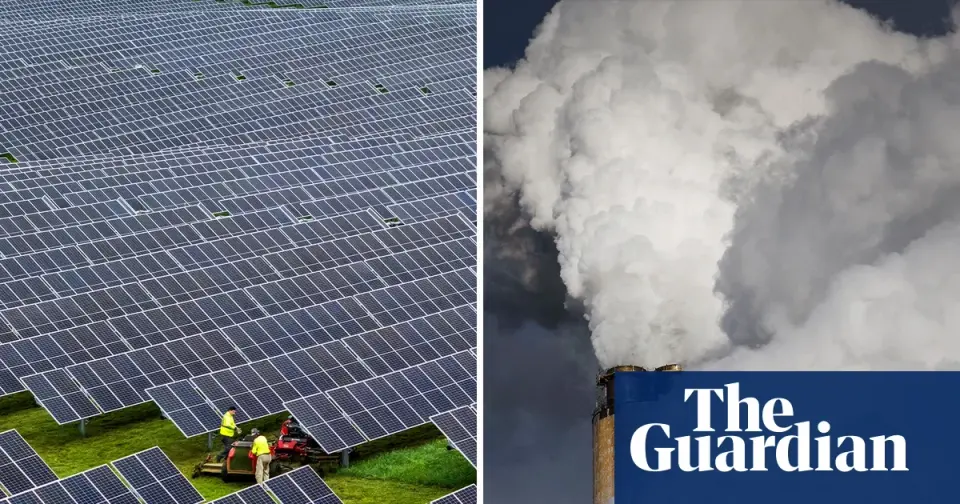
The US Senate advanced the Bipartisan American Affordability and Jobs Act (BAAJA) with a 73-25 vote, a procedural step to speed up permitting for infrastructure projects. The 417-page bill, which some sources describe as 494 pages, aims to accelerate construction of both fossil fuel pipelines and clean energy transmission lines. While proponents argue it will lower energy costs and unlock grid capacity, critics warn it significantly weakens environmental protections and tribal consultation rights. The measure now faces potential hurdles in the House, where new Democratic leaders have expressed reservations about its provisions.
Key points
- The Senate voted 73-25 to open debate on BAAJA, a bipartisan bill sponsored by two Republicans and two Democrats.
- The legislation seeks to shorten timelines for federal permitting, including for interstate transmission lines, gas pipelines, and data centers.
- Critics, including Earthjustice and the ACLU, argue the bill weakens the National Environmental Policy Act (NEPA) and limits tribal consultation.
- Proponents, including Senators Martin Heinrich and Sheldon Whitehouse, claim the bill will make clean energy cheaper and faster to deploy.
- House Minority Leader Hakeem Jeffries, expected to become Speaker, has criticized the bill for failing to protect tribal sovereignty.
- The bill includes provisions requiring data centers to pay for necessary grid upgrades, a priority for renewables groups.
Background
This development follows a recent midterm election that resulted in a Democratic majority in Congress, often described as a 'blue wave.' Previous coverage noted that the Senate was poised to vote on BAAJA just days after this election, framing it as a final legislative opportunity before President Trump becomes a lame duck in January. The bill was introduced in September 2026, amid growing concerns about energy costs and grid bottlenecks, including a record heating oil crisis in the Northeast and a backlog of over 2,000 gigawatts of generation capacity waiting to connect to the grid.
How outlets are covering it
The Guardian and Axios both report the 73-25 Senate vote but differ slightly on the bill's length, with the Guardian citing 417 pages and Axios citing 494. Both outlets highlight the division among environmental groups: some support the bill for its potential to accelerate clean energy deployment, while others oppose it for weakening environmental safeguards. The Guardian emphasizes the opposition from indigenous groups and the ACLU, noting specific concerns about ICE detention centers and tribal consultation. Axios focuses more on the business and energy sector support, including from the American Petroleum Institute, and notes that the House may now be the binding constraint for the bill's passage. Both sources agree that the bill's fate is uncertain due to reservations from House Democratic leaders.
Why it matters
The bill represents a significant shift in federal permitting policy, potentially accelerating infrastructure projects across the US. Its passage could impact energy costs, environmental protections, and the balance of power between federal and state authorities. The outcome will also test the new Democratic majority's ability to balance economic growth with environmental and social concerns, particularly in the wake of a midterm election that emphasized affordability and data center opposition.
What to watch
The bill will undergo an amendment process in the Senate, with proponents claiming they have the votes to pass it. However, its fate in the House is uncertain, as House Minority Leader Hakeem Jeffries has called for more constructive involvement with his caucus and criticized the bill for falling short in several areas. The new Congress will not take its seats until January, leaving a narrow window for the bill to pass before then. Analysts suggest that the House may be the binding constraint, with Republican support for the Senate product also appearing uncertain.
- Senate advances bill to speed up projects from gas pipelines to clean energy The Guardian
- Opinion | A major step toward historic permitting reform The Washington Post
- Permitting reform bill advances closer to Senate finish The Hill
- Senate advances sweeping energy legislation in first major action since midterm elections AP News
- Senate advances bipartisan permitting bill in key test vote Axios
Want the full story? Read the original reporting
Read on The Guardian