
Senate blocks $810M funding freeze as GAO calls pocket rescission illegal
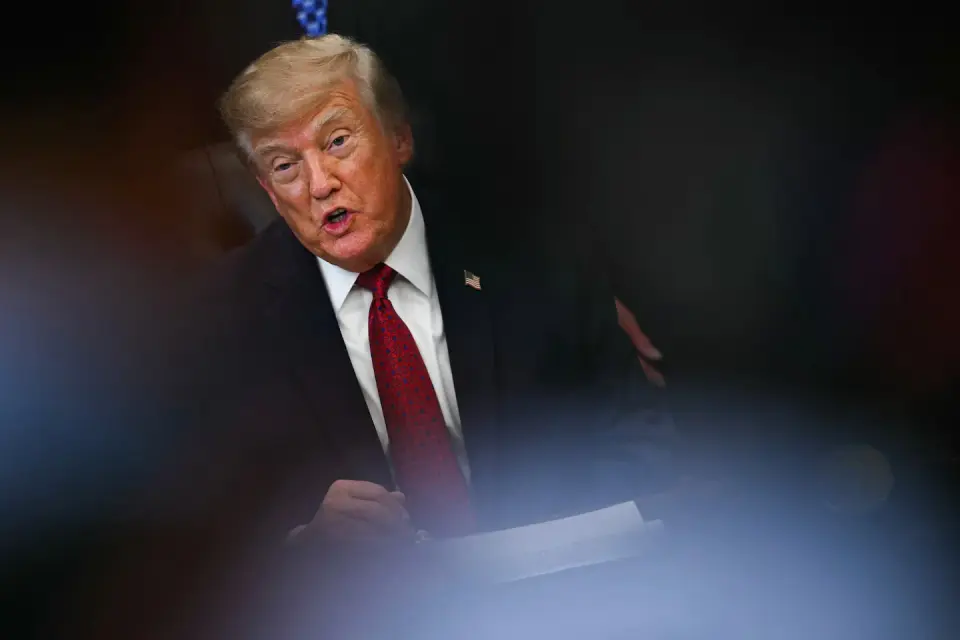
Senate Democrats failed to pass a bill blocking President Trump's $810 million 'pocket rescission' after Sen. Ron Johnson objected. The move freezes funds for immigrant services and climate programs until the fiscal year ends, bypassing congressional review. The Government Accountability Office has declared the practice illegal, but no immediate legal action has been taken.
Key points
- Sen. Ron Johnson (R-Wis.) blocked a unanimous consent vote to restore $810 million in funding canceled by the Trump administration.
- The 'pocket rescission' freezes funds for programs including refugee services, climate research, and civil rights initiatives until the fiscal year ends on Sept. 30.
- The Government Accountability Office has declared pocket rescissions illegal, stating Congress holds the power of the purse.
- Democratic Sens. Patty Murray and Jeff Merkley sought to ban rescission requests submitted less than 90 days before funds expire.
- This is the second time the White House has used this maneuver, following a $5 billion foreign aid cut in 2025.
Background
In late September 2026, the Trump administration announced an $810 million pocket rescission, targeting domestic programs for noncitizens, diversity initiatives, and climate research. This followed a similar $5 billion foreign aid cut in 2025 that the Supreme Court allowed to proceed. The current move has intensified tensions ahead of the November midterm elections and a December deadline to fund the government for fiscal 2027.
How outlets are covering it
The Washington Post and Politico highlight the bipartisan backlash, noting that Senate appropriators from both parties argue the move circumvents Congress's power of the purse. The AP News emphasizes the Government Accountability Office's declaration that pocket rescissions are illegal. While Democrats seek legislative fixes to the Impoundment Control Act, Republicans are divided; Sen. Ron Johnson supports the spending cuts, while others like Susan Collins and Lisa Murkowski suggest legal or legislative solutions to prevent future unilateral actions.
Why it matters
The pocket rescission sets a precedent for executive branch control over congressional spending, potentially undermining the legislative power of the purse. It also highlights the ongoing legal and political battles over the limits of presidential authority in budget matters, with implications for future government funding negotiations and the balance of power between branches.
What to watch
The Senate is expected to continue debating legislative fixes to the Impoundment Control Act, with some Republicans proposing language in fiscal year 2027 appropriations bills to explicitly prevent pocket rescissions. The Government Accountability Office may consider suing the administration, and the Supreme Court could be asked to clarify the legality of the practice. The outcome of the November midterm elections may also influence the balance of power in Congress and its ability to address such issues.
- Democrats fail to stop Trump from canceling $810M in funds approved by Congress The Washington Post
- Ron Johnson blocks vote to stop Trump’s funding cancellations Politico
- Opinion | Trump chooses the worst way to cut federal spending The Washington Post
- Watchdog says Trump can’t cancel more than $800M in spending approved by Congress AP News
- What to know about the $810 million in spending canceled by President Trump npr.org
Want the full story? Read the original reporting
Read on The Washington Post