
Senate Commerce Committee advances FCC nominee Severs 15-0 after Democratic boycott
The Senate Commerce Committee advanced President Trump’s FCC nominee, Danielle Severs, 15-0 after Democrats boycotted the vote to prevent a quorum. Republicans moved the nomination forward in a lame-duck session to secure a 3-1 Republican majority on the FCC before Democrats take control of the Senate in January. Democrats objected to the lack of bipartisan pairing and alleged Severs provided false testimony regarding her work on media-related issues for FCC Chairman Brendan Carr.
Key points
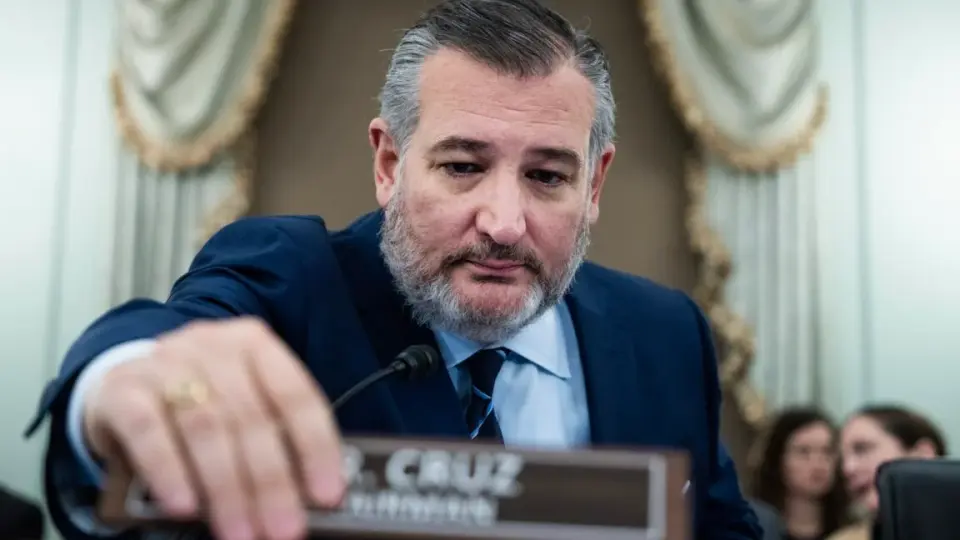
- The Senate Commerce Committee, chaired by Ted Cruz, voted 15-0 to advance FCC nominee Danielle Severs, with all 13 Democrats absent to block a quorum.
- Republicans aim to confirm Severs before Democrats take control of the Senate in January, securing a 3-1 Republican majority on the FCC.
- Democrats objected to the lack of a paired Democratic nominee and alleged Severs lied about her involvement in media-related issues, including the Skydance-Paramount merger and the Jimmy Kimmel controversy.
- Cruz cited Senate rules allowing the nomination to proceed despite the absence of minority members, while Democrats argued committee rules require a minority member for official action.
- The confirmation could allow FCC Chairman Brendan Carr to push through controversial policies, including potential removal of the sole Democratic commissioner, Anna Gomez.
Background
The FCC has historically operated with a bipartisan balance, but the current panel has only one Democrat, Anna Gomez, whose term expired in June 2026. Trump has not nominated a second Democrat, raising concerns that a 3-1 Republican majority could eliminate Democratic representation. The nomination comes amid ongoing disputes between the FCC and major media companies, including Disney and Comcast, over broadcast licensing and content policies.
How outlets are covering it
Ars Technica and The Hill emphasize the procedural conflict, with Republicans citing Senate rules to justify the vote and Democrats accusing them of obstruction. The Los Angeles Times highlights the substantive concerns, noting Severs’ role in drafting commitments for the Skydance-Paramount merger and her involvement in the Jimmy Kimmel controversy. Politico focuses on the broader political strategy, framing the move as a Republican effort to lock in policy gains before the change in Senate control. All sources agree that the vote was contentious, but they differ in emphasis: Ars Technica and The Hill focus on the procedural and quorum issues, while the Los Angeles Times and Politico highlight the policy implications and conflicts of interest.
Why it matters
The confirmation of Severs would solidify a Republican majority on the FCC, potentially enabling Chairman Brendan Carr to advance controversial policies, including those targeting major media companies. The move also raises questions about the integrity of the confirmation process, with allegations of false testimony and procedural irregularities. The outcome could have long-term implications for media regulation and the balance of power within the FCC.
What to watch
The nomination will now go to the full Senate for a vote. Democrats are expected to oppose the confirmation, citing the lack of bipartisan pairing and concerns about Severs’ testimony. The outcome will depend on whether Republicans can secure the necessary votes in the Senate before the lame-duck session ends. If confirmed, Severs would join the FCC for a five-year term, potentially altering the balance of power on the panel.
- Ted Cruz-led committee approves Trump FCC nominee 15-0 as Democrats boycott vote Ars Technica
- Democrats boycott Senate hearing over frustration with Trump nominations The Hill
- Republicans scramble to add third Trump nominee to the FCC Los Angeles Times
- Democrats press Cruz to postpone FCC nominee’s vote - Live Updates Politico
- Senate panel advances Trump nominee for US FCC Reuters
Want the full story? Read the original reporting
Read on Ars Technica