
Senate Democrats Launch Probe into Trump’s Russian Diesel Sanctions Waiver
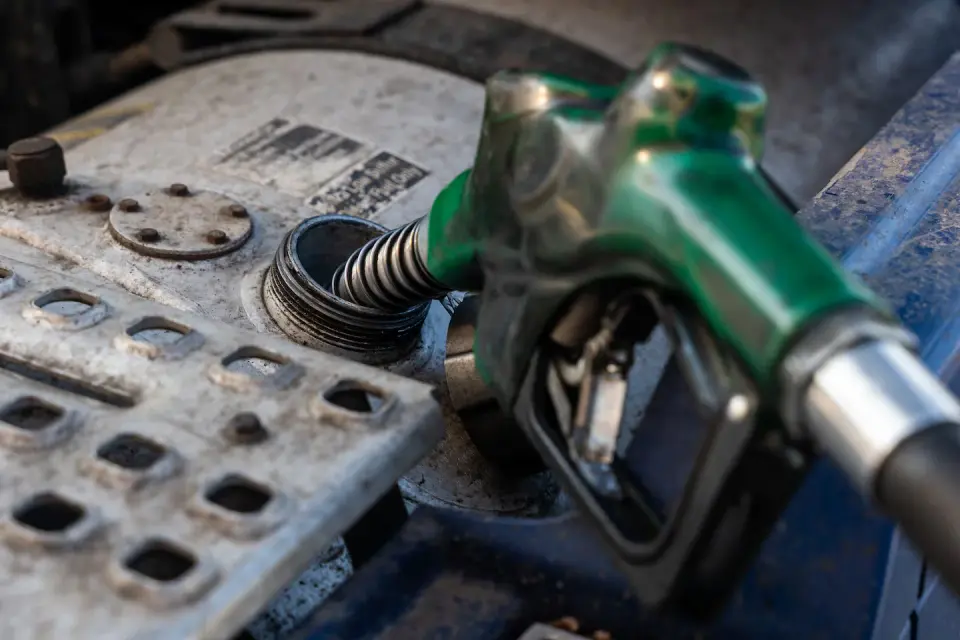
Senate Democrats are investigating the Trump administration’s waiver of sanctions on Russian diesel, a move aimed at lowering fuel prices before the November midterms but criticized for undermining Ukraine and European allies. While the first shipment of 300,000 tons is underway, experts doubt it will significantly impact global prices due to limited supply and ongoing refinery damage.
Key points
- The Senate Foreign Relations Committee has asked companies involved in the deal to preserve documents ahead of a potential Democratic-led investigation, signaling future oversight if the party wins Congress in November.
- Trump waived sanctions on Russian diesel until April 2027, promising 300,000 tons immediately, followed by 500,000 tons in November and 1 million tons thereafter, despite legal requirements for a ceasefire in Ukraine.
- The first tanker departed Russia on October 23, but analysts note the volume is negligible compared to the global shortage, with US diesel prices remaining above $6.31 per gallon.
- Czech President Petr Pavel stated the deal gave Russia 'new hope' and derailed peace progress, while Ukrainian President Volodymyr Zelenskyy accused the US of using peace talks as a smokescreen for the deal.
- Bipartisan lawmakers and EU officials have criticized the move, with the EU adopting its largest sanctions package against Russia on October 12 to counter the US waiver.
Background
This development follows earlier coverage of oil price volatility in October 2026, where traders weighed eased sanctions against new infrastructure strikes. The current probe builds on the political backlash and diplomatic fallout reported on October 18, which highlighted the strain between Washington and its allies over the unilateral sanctions waiver.
How outlets are covering it
The Washington Post emphasizes the political strategy behind the probe, noting Democrats are preparing to use oversight power if they win the midterms. The Council on Foreign Relations highlights the legal and diplomatic contradictions, pointing out that the deal violates the spirit of recent sanctions laws and strains transatlantic unity. Al Jazeera focuses on the economic reality, citing data that the initial shipment covers only three-quarters of US daily consumption and is unlikely to lower prices before the election. POLITICO.eu captures the European perspective, with Czech President Petr Pavel arguing the deal provides Russia with a 'moral boost' and undermines coordinated Western pressure on Moscow. All sources agree that the deal is politically motivated by cost-of-living concerns, but they differ on its efficacy, with experts largely dismissing its impact on global fuel markets.
Why it matters
The investigation signals a potential shift in congressional oversight regarding executive power over foreign policy and sanctions. It highlights the tension between domestic economic priorities and international security commitments, potentially affecting US alliances with Europe and Ukraine. The outcome of the midterms will determine whether Democrats can enforce stricter scrutiny on executive actions that bypass legislative intent.
What to watch
The Senate Foreign Relations Committee will likely proceed with a formal investigation if Democrats gain control of Congress. The first diesel shipment is en route, but its impact on prices remains uncertain. Further diplomatic tensions may arise as European nations continue to support Ukraine and impose their own sanctions, while the US administration maintains its position on the deal.
- Democrats plan to investigate U.S. diesel companies involved in easing Russian sanctions The Washington Post
- EXCLUSIVE: First Russian diesel from Putin-Trump deal heading for US, data shows Reuters
- Trump’s diesel deal derailed Ukraine-Russia peace progress, says Czech president POLITICO.eu
- Will Russia’s diesel shipment to the US lower prices before midterms? Al Jazeera
- Trump’s Russian Diesel Deal, Explained Council on Foreign Relations
Want the full story? Read the original reporting
Read on The Washington Post