
Senate Filibuster Halts Stock Trading Limits as Midterm Campaigns Heat Up
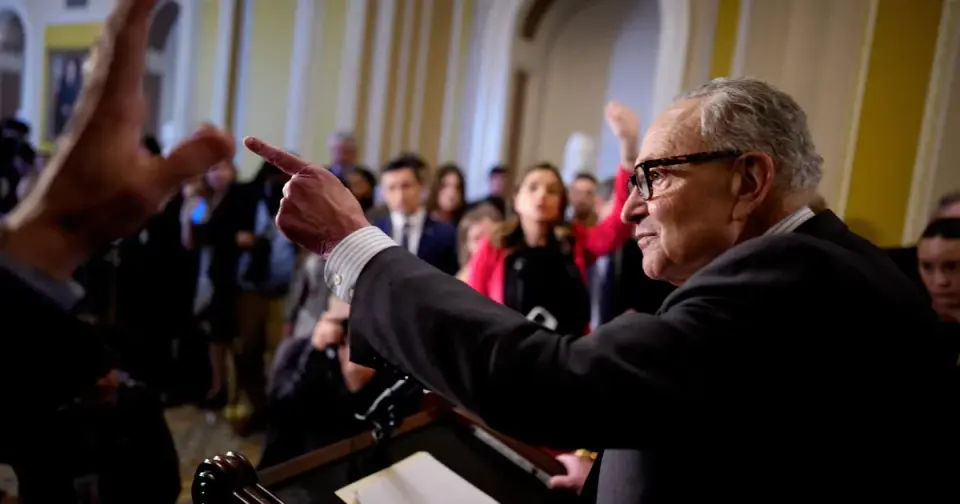
Senate Democrats blocked the Stop Insider Trading Act on Wednesday, preventing a House-passed measure from advancing. The bill, which would restrict lawmakers from buying new stocks, failed 53-47, falling short of the 60 votes needed to overcome a filibuster. Democrats opposed the measure as insufficient and objected to a bundled voter ID provision, while Republicans argued the vote was a strategic obstruction ahead of the November midterms.
Key points
- The Stop Insider Trading Act failed in the Senate with a 53-47 vote, lacking the 60 votes required to proceed.
- The bill would ban members of Congress, their spouses, and dependent children from purchasing individual stocks but allows them to hold existing shares.
- Democrats argued the measure is ineffective because it does not ban all trading and excludes the president and executive branch.
- Republicans bundled a federal voter ID requirement into the bill, which Democrats labeled a 'poison pill' to ensure the measure's failure.
- The vote occurred just five weeks before the midterm elections, with both parties using the issue to appeal to voters in competitive races.
Background
Congress has struggled to pass comprehensive stock trading bans for years. Previous efforts, including a bipartisan proposal advanced by a Senate committee in 2025, stalled due to disagreements over scope and executive branch exemptions. Public distrust of congressional financial activities has intensified, with data showing significant trading volumes by members and the president, prompting renewed legislative attempts despite past failures.
How outlets are covering it
CBS News and The New York Times emphasize that Democrats opposed the bill primarily because it fails to impose a total ban on stock trading and excludes the executive branch. The New York Times notes that Democrats would have opposed the measure even without the voter ID provision. Fox News frames the vote as a Democratic effort to deny Republicans a pre-midterm win on popular issues, citing Schumer's accusation that Republicans 'designed the bill to fail.' The Guardian highlights the political maneuvering, noting that the bill's failure leaves the issue unresolved as the Senate recesses for the campaign season. All sources agree that the vote was driven by partisan strategy ahead of the November elections.
Why it matters
The failure to pass the Stop Insider Trading Act leaves a major source of public distrust in Congress unaddressed. With the Senate recessing for the midterm campaign, the issue will likely remain a focal point in advertising and debates, potentially influencing voter turnout and outcomes in competitive races. The inability to reach a consensus on basic ethics reform highlights the deep partisan divisions in the current Congress.
What to watch
The Senate is set to recess for the midterm campaign season, leaving the stock trading issue unresolved until after the November elections. Republicans may attempt to reintroduce the measure or a similar bill after the session resumes, while Democrats are expected to push for a more comprehensive ban that includes the executive branch. The outcome of the midterms will determine whether either party has the leverage to advance such legislation in the next session.
- Senate Democrats block bill to limit lawmakers' stock trades, citing voter ID provision CBS News
- Democrats Block Stock-Trading Bill, Denying the G.O.P. a Pre-Midterm Win The New York Times
- Schumer tanks popular insider trading ban in Dem effort to derail Republican's agenda ahead of midterms Fox News
- Senate blocks Republican bill restricting stock trades by US Congress members The Guardian
- Senate fails to advance data center and lawmaker stock trading bills before campaign break finance.yahoo.com
Want the full story? Read the original reporting
Read on CBS News