
Senate passes BAAJA energy bill 62-33, splitting Democrats over data center costs
The US Senate passed the Bipartisan American Affordability and Jobs Act (BAAJA) 62-33 on November 19, 2026, streamlining federal permitting for energy and infrastructure projects. The bill, authored by Senators Shelley Moore Capito, Martin Heinrich, Sheldon Whitehouse, and Mike Lee, aims to lower consumer energy costs by accelerating environmental reviews and limiting legal challenges. It now moves to the House, where passage remains uncertain due to deep Democratic divisions and opposition from environmental groups.
Key points
- The Senate approved the BAAJA with a 62-33 vote, with 14 Democrats and one Independent joining Republicans in support.
- The legislation streamlines permitting for oil, gas, renewables, and data centers, imposing tighter deadlines on environmental reviews.
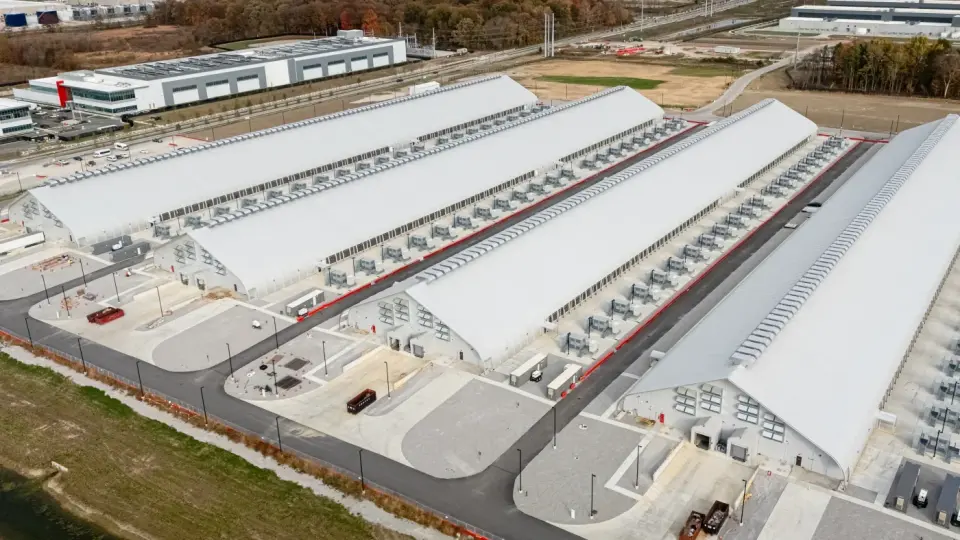
- A key provision requires data centers using at least 20 megawatts of power to cover the costs of grid upgrades, shielding ratepayers from higher bills.
- The bill expands federal authority over interstate electricity transmission, potentially allowing 17 to 249 gigawatts of clean energy to be built by 2040.
- Opponents, including the Sierra Club and National Wildlife Federation, argue the bill weakens the Clean Water Act and Endangered Species Act.
- The measure faces significant hurdles in the House, where Democratic leadership is split between supporting affordability measures and opposing environmental rollbacks.
Background
The BAAJA represents the first major energy legislation since 2022, emerging after Democrats won control of both chambers in the 2026 midterms. Previous attempts to pass similar permitting reforms failed due to procedural hurdles and lack of bipartisan consensus. The bill addresses rising energy costs, with kilowatt-hour prices increasing 39% over five years, and responds to growing public backlash against data center construction in local communities.
How outlets are covering it
Supporters, including Senate Majority Leader John Thune and co-author Martin Heinrich, frame the bill as essential for cutting red tape, lowering energy costs, and boosting American manufacturing. Fox News emphasizes the need to overcome litigation delays that hinder infrastructure projects. Conversely, environmental groups like the Natural Resources Defense Council and the Sierra Club argue the bill provides a 'blank check' to fossil fuel companies and data center developers, weakening environmental accountability. The New York Times highlights the bitter split within the environmental movement, with some climate advocates supporting the bill for its potential to expand renewable energy, while others oppose it as a giveaway to oil and gas. Democratic Senator Maria Cantwell and others raised concerns about the bill undermining tribal sovereignty and clean water protections.
Why it matters
The BAAJA could significantly reshape the US energy landscape by accelerating the construction of both fossil fuel and renewable infrastructure. Its provisions on data center costs and grid expansion may influence electricity prices for millions of households. However, the bill's passage in the House is uncertain, as Democratic leaders must balance affordability concerns with environmental protections and tribal rights. The outcome will determine whether the US can meet its clean energy goals while addressing the immediate cost-of-living crisis.
What to watch
The bill now moves to the House, where Republican leadership aims to pass it before the lame-duck session ends. Democratic House leaders, including incoming Natural Resources Chair Jared Huffman, are expected to oppose the measure, arguing for a better deal. The House vote will likely be contentious, with attendance and procedural hurdles potentially delaying passage until the 120th Congress convenes in January 2027.
- Senate passes bipartisan energy bill amid environmental concerns NPR
- Senate Republicans break through Washington gridlock with massive American energy, data center overhaul Fox News
- Senate passes BAAJA permitting reform bill backed by AI, energy sectors CNBC
- US Senate passes bipartisan bill to speed energy, infrastructure projects Reuters
- The Permitting Bill Is Splitting the Environmental Movement The New York Times
Want the full story? Read the original reporting
Read on NPR