
Senate blocks data center cost bill as Democrats demand stricter federal rules
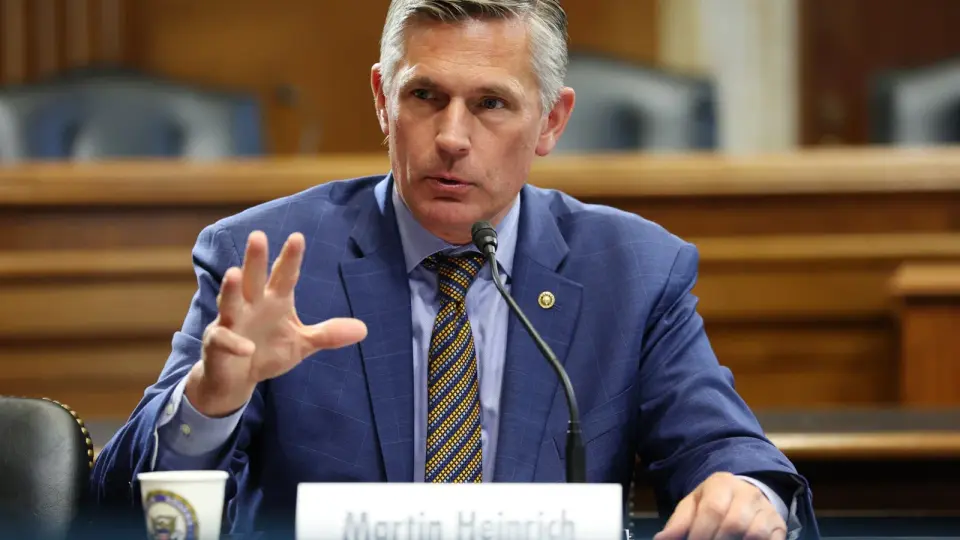
The Ratepayer Protection Act, which passed the House 417-3, stalled in the Senate after Sen. Martin Heinrich blocked a fast-track vote. Heinrich argued the bill’s voluntary state standards are insufficient, proposing a stricter alternative that would mandate costs for large data centers. The measure is unlikely to pass before the November midterms.
Key points
- The House passed the Ratepayer Protection Act 417-3 on Wednesday, with only three progressive Democrats opposing.
- Sen. Martin Heinrich (D-N.M.) blocked the Senate fast-track vote on Thursday, arguing the bill lacks 'real teeth.'
- The bill would allow states to voluntarily require data centers using 100+ megawatts to cover infrastructure costs.
- Heinrich proposed the GRID Savings Act, which would give the FERC jurisdiction over facilities using 150+ megawatts.
- Sen. John Husted (R-Ohio) called the block a missed opportunity to protect ratepayers from rising energy bills.
Background
This follows earlier state-level actions, such as California’s August compromise on data center energy rules and Oklahoma’s HB 2992, which sought to shift infrastructure costs to developers. The federal debate intensifies as public concern over data center impacts grows ahead of the 2026 midterms.
How outlets are covering it
CNBC and CBS News emphasize the bipartisan nature of the House vote and the political stakes for Sen. Husted, whose reelection is threatened by data center opposition. Politico highlights the House GOP’s push for the bill as a signature issue, noting internal debates among Republicans. Environmental groups, cited by CNBC, criticized the bill as a 'half-step,' while Heinrich’s camp argued for mandatory federal standards over voluntary state measures.
Why it matters
The failure to pass the bill leaves ratepayers potentially bearing the costs of massive data center infrastructure expansions. With over 2,000 projects proposed, the lack of federal mandates may allow utility costs to rise without direct developer accountability, impacting voters in key midterm races.
What to watch
The Senate is set to leave town in two weeks, making passage before the November midterms unlikely. Husted indicated he would continue pursuing the bill, while Heinrich pushed for his GRID Savings Act, setting up a potential legislative clash in the next session.
- Bill to curb AI data center utility costs hits snag in Senate CNBC
- Senate Democrat blocks House-passed bill to shield Americans from data center energy costs, proposing alternate measure CBS News
- House Passes Bill Taking Aim at Data Center Electricity Costs The New York Times
- House overwhelmingly passes bill to shield ratepayers from data centers Politico
- Oklo Jumps 13%, NuScale Power Climbs 10%: Does the House Data Center Power Vote Reach Nuclear? Yahoo Finance
Want the full story? Read the original reporting
Read on CNBC