
Seneca Nation and Rochester reject Trump's 'Lake America' rename as trade war escalates
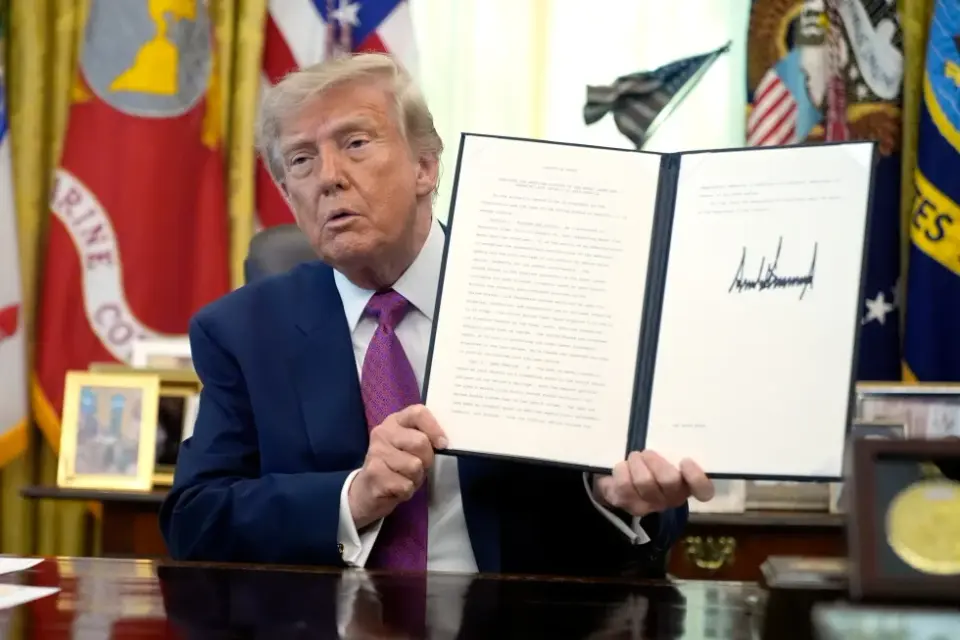
President Trump signed an executive order on August 27, 2026, renaming Lake Ontario to 'Lake America' within U.S. geographic records. The Seneca Nation and Rochester City Council condemned the move, citing Indigenous heritage and local sovereignty. CNN analyzed the action as a symbolic trade-war tactic against Canada, while USA Today contextualized it within a broader pattern of Trump-era rebranding of national landmarks.
Key points
- The U.S. geographic naming service officially updated the lake's name to 'Lake America' following the August 27 executive order.
- The Seneca Nation leader criticized the change as disrespectful to Indigenous peoples who originally named the water body.
- Rochester City Council passed a proclamation rejecting the new name, vowing to continue using 'Lake Ontario' in all official local capacities.
- CNN characterized the renaming as a political stunt likely to have no practical impact, framing it as part of an escalating trade dispute with Canada.
- USA Today noted the lake rename follows a series of other rebranding actions, including the Gulf of Mexico and the Department of Defense.
Background
This action follows a pattern of federal rebranding initiatives under the current administration. Previous moves include renaming the Gulf of Mexico to the Gulf of America in January 2025 and the Department of Defense to the Department of War in September 2025. The lake renaming also echoes earlier controversies over the renaming of Mount McKinley and Fort Bragg, as well as the addition of the president's name to the Kennedy Center and the U.S. Institute of Peace.
How outlets are covering it
AP News and 13wham.com focused on the immediate local and Indigenous backlash, highlighting the Seneca Nation's call for reversal and Rochester's formal rejection. CNN took a broader analytical stance, arguing the move is a 'political dud' intended to signal aggression in the U.S.-Canada trade war rather than to achieve practical geographic change. USA Today provided a historical overview, positioning the lake rename as the latest in a series of branding campaigns that include renaming airports, warships, and government institutions.
Why it matters
The dispute highlights tensions between federal executive power and local or Indigenous authority over geographic nomenclature. It also serves as a symbolic flashpoint in the ongoing trade conflict with Canada, where naming changes are used to assert national sovereignty and political messaging.
What to watch
The Seneca Nation is calling for the executive order to be reversed. Local governments like Rochester have pledged to maintain the traditional name in official documents. The administration has not indicated whether it will pursue similar renaming actions for other bodies of water, though earlier hints suggested oceans could be next.
- Seneca Nation calls for reversal of Trump’s ‘Lake America’ executive order AP News
- Trump’s ‘Lake America’ move revives one of his biggest political flops CNN
- Lake Ontario Didn’t Ask for Trump to Rename It The New York Times
- Rochester City Council rejects 'Lake America' name, vows to keep using Lake Ontario 13wham.com
- Trump's naming campaign from the Kennedy Center to Trump RX USA Today
Want the full story? Read the original reporting
Read on AP News