
South Carolina GOP Senate Debate Reveals Cracks Over Filibuster and Iran War
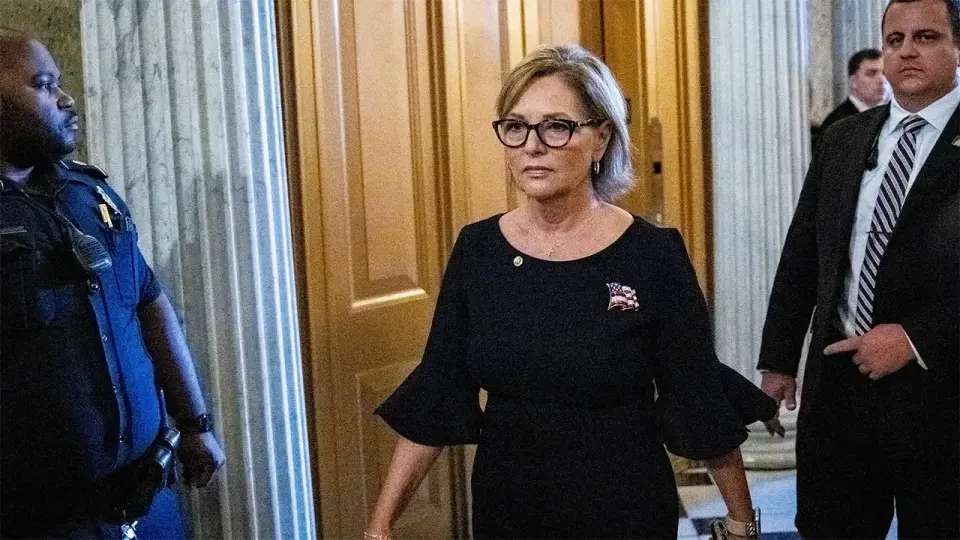
The first primary debate for the South Carolina Senate seat, held August 3, 2026, exposed significant divisions within the Republican Party regarding the filibuster, the ongoing war in Iran, and data center expansion. Five candidates, including appointed Senator Darline Graham Nordone, clashed on procedural rules and military authority, marking a sharp departure from the late Senator Lindsey Graham's positions.
Key points
- Darline Graham Nordone, who holds Trump's endorsement, announced she would vote to abolish the filibuster, directly contradicting her late brother's staunch defense of the rule.
- Former Governor Mark Sanford argued that Congress, not the President, must authorize military action in Iran, citing constitutional war powers.
- Candidates Russell Fry and Ralph Norman opposed sending ground troops to Iran but supported continued pressure to neutralize nuclear threats.
- Businessman Mark Lynch criticized opponents for past votes on amnesty and marijuana legalization, prompting a sharp rebuttal from Nordone.
- The debate highlighted disagreements on data center expansion, with Lynch prioritizing local community concerns over national security interests.
Background
This contest follows the death of Senator Lindsey Graham in July 2026. The archive notes that Trump's appointment of Nordone unsettled GOP officials, turning a tribute into a high-stakes race. Previous coverage in June and July 2026 detailed deep Republican splits in the Senate over war powers resolutions regarding Iran, with some members breaking ranks with the White House to limit presidential authority.
How outlets are covering it
Fox News emphasized the personal rift between Nordone and her late brother's legacy, focusing on the filibuster debate and Nordone's defensive remarks against Lynch. The New York Times framed the event as a test of Trump's influence, noting that while the field was crowded, the debate centered on policy contrasts rather than personal attacks. WIS News 10 highlighted the cordial tone of the debate, noting that while candidates agreed on debt and voter ID, they diverged sharply on Iran, with Nordone advocating for aggressive containment and others opposing ground troops. All sources agreed that the debate exposed internal party fissures, but Fox News focused on the procedural break, while WIS emphasized the policy nuances of the Iran conflict.
Why it matters
The outcome of the August 11 primary will determine which Republican faces Democrat Annie Andrews in November. The divisions revealed in the debate suggest that the GOP may struggle to maintain unity on key legislative priorities, such as the SAVE Act and foreign policy, potentially impacting their ability to pass legislation in a closely divided Senate.
What to watch
The Republican primary is scheduled for August 11, 2026. The winner will face Democrat Annie Andrews in the November 3 general election, a race projected to heavily favor the GOP. Candidates will continue to campaign on issues of affordability, national security, and procedural reform in the Senate.
- GOP party fissures exposed in battle for S.C. Senate seat to replace Graham: 'I don't like hearing that' Fox News
- Trump and Graham Dominate Senate Race: 5 Takeaways from South Carolina Debate. The New York Times
- Is the primary job of SC’s US senator to support Trump? Here’s how 5 candidates answered. South Carolina Daily Gazette
- Trump wanted a Lindsey Graham tribute. South Carolina Republicans want a choice Reuters
- WATCH: Republican candidates for U.S. Senate make their case in primary debate WIS News 10
Want the full story? Read the original reporting
Read on Fox News