
South Carolina Senate Race Becomes Toss-Up as War and Prices Test GOP Loyalty
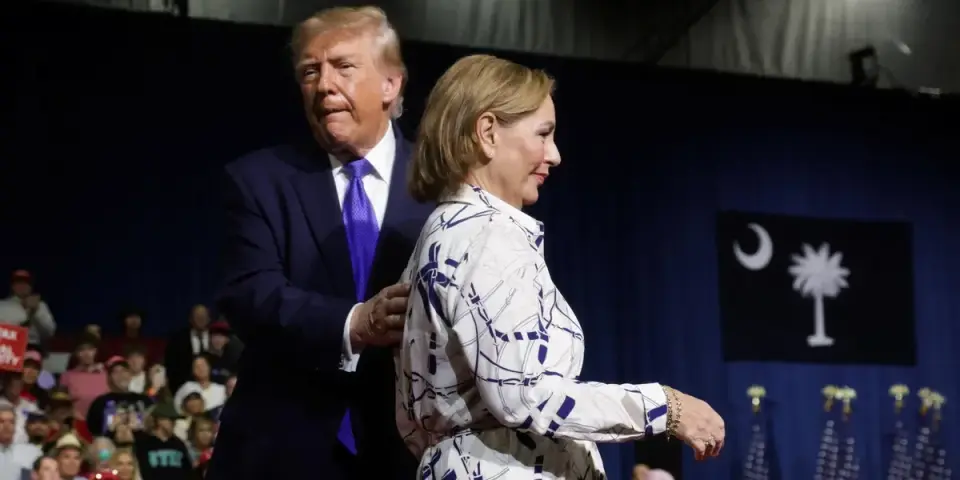
The 2026 South Carolina Senate race has become a statistical tie, marking a potential first Democratic victory in the state since 1998. Republican incumbent Darline Graham, appointed to fill her late brother Lindsey’s seat, faces Democrat Annie Andrews in a contest driven by high energy costs and voter dissatisfaction with the ongoing Iran war. Despite heavy spending and multiple rallies by President Trump, polls show the race is effectively deadlocked, with Graham losing support among independents and some Republicans due to perceptions of nepotism and inexperience.
Key points
- New York Times/Siena polls show Graham and Andrews tied at 48%, with Andrews leading among independents and peeling 7% of Republican voters.
- The race is driven by voter frustration over the Iran war, which has spiked fuel and food prices, and a $40 trillion national debt.
- Graham faces criticism for her lack of political experience, including a gaffe where she said 'national security is not my thing' during a primary debate.
- President Trump has campaigned in South Carolina three times, including twice in one week, to shore up support for Graham, a move described as unusual for a solid red state.
- Republican primary opponent Ralph Norman refuses to campaign for Graham, and some conservative voters are crossing party lines to support Andrews or write in Norman.
- The Cook Political Report shifted the race from 'Solid Republican' to 'Lean Republican' and then to 'Toss-up' in the final weeks before the election.
Background
South Carolina has not elected a Democratic senator since 1998, and the state was a solid Republican stronghold in the 2024 presidential election, with Trump winning by nearly 18 points. Darline Graham was appointed to the Senate in July 2026 after her brother, Sen. Lindsey Graham, died. She won the Republican primary in a runoff against Rep. Ralph Norman by less than 5 points, a victory that created significant fractures within the party. Prior to the final weeks of the campaign, the race was considered a safe Republican hold, but shifting polls and national economic concerns have turned it into a competitive battleground.
How outlets are covering it
Responsible Statecraft emphasizes the 'war backlash' and the perception of Graham as a 'puppet' for Trump, highlighting the internal GOP frustration with her candidacy. Time Magazine focuses on the national trend of Republican struggles in midterms, noting that Trump's approval rating has dropped to its lowest level since 1946, and highlights the local impact of Lindsey Graham's death on the race's dynamics. The New York Times provides detailed polling data, showing Andrews' strength with independents and her lead on economic and cost-of-living issues, while noting Graham's advantage in name recognition. Mother Jones focuses on the 'upset' potential, highlighting Andrews' appeal to moderate Republicans and independents who are disillusioned with the GOP's direction, and the role of super PACs in the final push. All sources agree on the race's tightness and the impact of the Iran war and economic concerns, but differ in their emphasis on the internal GOP divisions versus the broader national trend.
Why it matters
The outcome of the South Carolina Senate race could determine control of the U.S. Senate and serve as a bellwether for the broader midterm election. A Democratic victory would be a historic upset in a traditionally red state and could signal a significant shift in voter sentiment regarding the Iran war and economic policy. The race also highlights the growing dissatisfaction with the Trump administration's foreign policy and its impact on domestic issues like energy and food prices. The result could influence the 2028 Democratic presidential primary, as South Carolina holds the first primary in the cycle.
What to watch
Election Day is on Tuesday, November 2, 2026. The outcome will be determined by voter turnout, particularly among independents and Republicans who are dissatisfied with the current administration. The race is expected to be decided by a narrow margin, with both sides pouring significant resources into the final days of the campaign. The result will have implications for the balance of power in the Senate and the broader political landscape in the United States.
- Is Darline Graham the canary in coal mine for midterm war backlash? Responsible Statecraft
- Could a Democrat Win the Race for the Late Lindsey Graham's Seat in Deep-Red South Carolina? Time Magazine
- South Carolina Emerges as Surprise Battleground for Senate Control Bloomberg
- The Senate Race in Heavily Republican South Carolina Is a Tossup, Poll Finds The New York Times
- The Biggest Upset of Election Night Could Come From South Carolina Mother Jones
Want the full story? Read the original reporting
Read on Responsible Statecraft