
White House Prepares Executive Power Play for Potential Democratic Congress
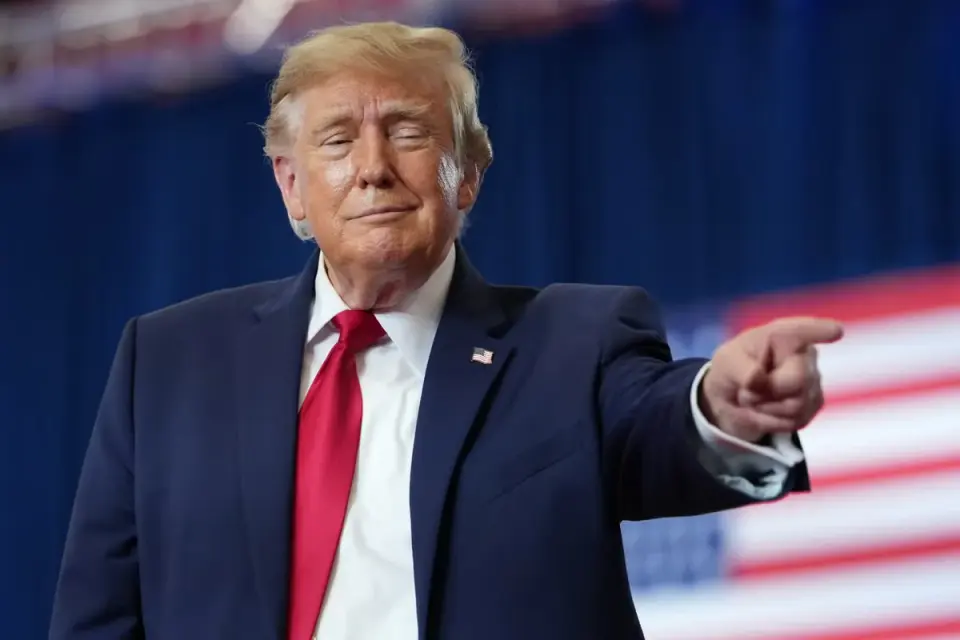
The White House has spent months preparing to advance President Trump’s agenda via executive action if Republicans lose control of Congress in the November 3 midterms. Senior aides, including Stephen Miller and Russell Vought, are identifying unilateral moves on tariffs, immigration, and spending that do not require legislative approval. Trump has stated he would use his veto power extensively before negotiating with Democrats. Simultaneously, the administration is preparing for potential congressional investigations and legal challenges to its authority. While polling suggests Democrats may win the House, the Senate race remains close. Critics warn that Trump’s recent comments about accepting election results only if they are 'honest' signal a potential refusal to concede if the GOP loses, echoing his 2020 behavior. The White House denies these concerns, asserting it will continue to deliver policy wins regardless of the outcome.
Key points
- White House counsel Will Scharf and budget director Russell Vought have been working since April to identify executive actions on immigration, tariffs, and housing that bypass Congress.
- Trump told the New York Post he would become 'Mr. Veto' for a month or two if Democrats take Congress, then negotiate deals.
- The administration is preparing for congressional investigations into Trump’s use of power and potential conflicts of interest, with lawyers advising officials on responding to subpoenas.
- CNN reports Trump’s conditional acceptance of election results ('if they are honest') mirrors his 2020 denialism, raising fears of post-election legal battles, particularly in Alaska.
- Democrats need a net gain of four seats in both chambers to overturn current Republican majorities; polling favors them in the House but the Senate is tight.
Background
This strategy follows a pattern of Trump testing presidential authority limits since his 2025 return to office, including broad tariffs and workforce reductions. Previous coverage noted that a Democratic House majority would empower investigations into the White House and Trump family finances, while a split Congress would limit legislative power but not executive reach. The current preparations represent a formalized contingency plan for a scenario where legislative gridlock becomes permanent, shifting the focus from passing laws to managing executive autonomy and legal defenses.
How outlets are covering it
The Independent and NDTV focus on the administrative and legislative strategy, highlighting the White House’s proactive planning for executive governance and veto usage. They emphasize the legal and bureaucratic preparations, such as Justice Department opinions on executive privilege. CNN, however, frames the story through the lens of democratic integrity, contrasting Trump’s current conditional acceptance of election results with his 2020 conduct. CNN highlights the DOJ’s intervention in Alaska and California as evidence of potential post-election interference, whereas the other sources treat the election outcome as a settled matter for policy planning. All sources agree that a Democratic Congress would significantly constrain Trump’s legislative options but not his executive authority.
Why it matters
The outcome of the midterms will determine whether Trump governs through a cooperative Congress or relies on unilateral executive power. If Democrats win, the administration’s preparedness for vetoes and legal battles could lead to prolonged gridlock and constitutional challenges. Conversely, the potential for election denialism, as highlighted by CNN, could disrupt the certification process and delay the seating of new senators, creating a political vacuum. This scenario tests the limits of presidential power in a divided government and sets the stage for potential impeachment or judicial reviews of executive actions.
What to watch
The November 3 election results will determine if the White House’s contingency plans are activated. If Democrats win the House, expect immediate moves to block nominations and launch investigations. If the Senate remains Republican, Trump may continue to push executive orders while facing legislative hurdles. Legal challenges to executive actions and potential post-election disputes in states like Alaska will likely follow, depending on the margin of victory and the administration’s response to results.
- ‘Mr Veto’: Trump maps a path to govern without Congress if Democrats win The Independent
- Republicans, Democrats set midterm closing arguments as Michigan endorsement roils Senate race Reuters
- Trump Says He May Become 'Mr. Veto' If Democrats Win Congress Yahoo
- Why Trump’s latest election warning is impossible to ignore CNN
- Trump Reveals What He Will Do If Democrats Win US Midterm Elections NDTV
Want the full story? Read the original reporting
Read on The Independent