
Spanberger halts Virginia’s entry into federal school tax credit, reversing Youngkin’s enrollment
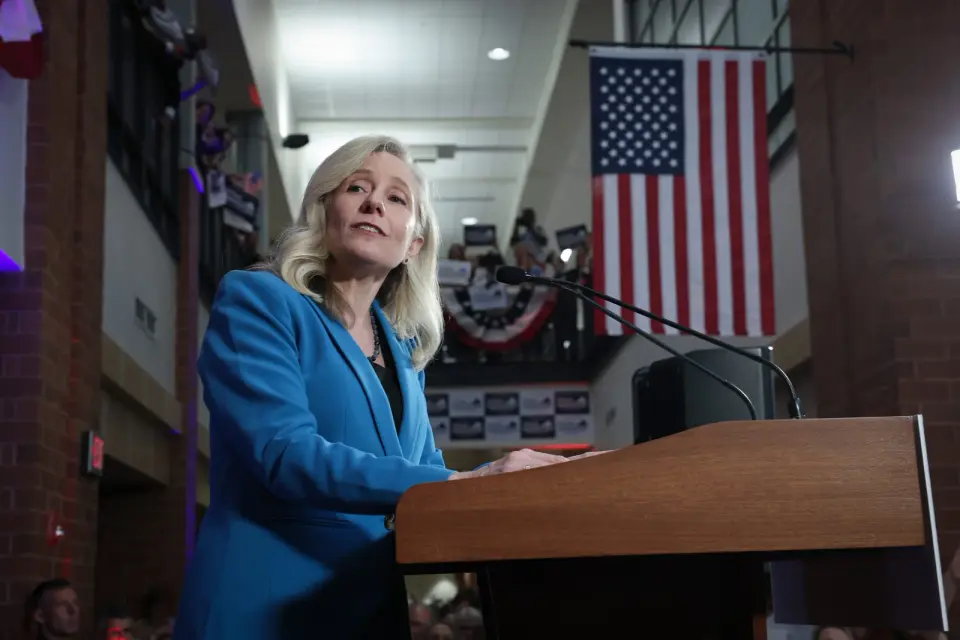
Virginia Governor Abigail Spanberger has decided not to complete the final steps required to enroll the state in the federal Education Freedom Tax Credit. This decision reverses the efforts of her predecessor, Republican Governor Glenn Youngkin, who had initiated the process to allow Virginia families to access scholarships for K-12 education expenses. While the credit is part of President Donald Trump’s 2025 tax package, Spanberger’s administration argues it does not sufficiently benefit public school students. Critics, including Jewish education advocates and former officials, contend the move denies Virginia families access to significant private funding for tutoring, special needs services, and private school tuition, despite claims that the program supports public education resources.
Key points
- Spanberger’s office stated Virginia will not submit the list of approved Scholarship Granting Organizations (SGOs) to the IRS, effectively opting out of the program.
- The federal tax credit allows donors to claim a dollar-for-dollar credit of up to $1,700 annually for contributions to SGOs, which can fund tuition, tutoring, and other educational costs.
- Youngkin’s administration completed initial paperwork, but the IRS portal for final submission opened only after he left office, leaving the decision to Spanberger.
- Jewish Federations of North America and the Orthodox Union criticized the move, arguing it denies families access to estimated $1.5 billion in potential scholarship funds.
- Spanberger’s decision contrasts with other Democratic governors, such as Kathy Hochul of New York and Jared Polis of Colorado, who have opted into the program.
Background
This decision follows a period of administrative controversy in Spanberger’s office, including a recent audit demand over voting rights restoration errors involving a deceased dog named Biscuit. Additionally, Spanberger has been involved in disputes regarding the Dominion-NextEra energy merger, where she demanded rate freezes and bill credits. The current tax credit debate occurs amid broader national discussions on school choice and federal tax incentives, with 31 states currently participating in the program.
How outlets are covering it
Jewish Insider and AMAC highlight the opposition from Jewish advocacy groups and conservative voices, who argue the tax credit benefits public school students through tutoring and special needs services, not just private schools. They emphasize that Spanberger’s decision blocks access to private donations that could support Virginia’s 1.4 million K-12 students. In contrast, Spanberger’s administration, as reported by The Washington Post, maintains that the program does not adequately benefit public school students and that Virginia should monitor its effects in other states before reconsidering. AMAC frames the decision as partisan resistance to Trump’s policies, while Jewish Insider notes that other Democratic governors have opted in, suggesting the decision is not uniform across the party. Treasury Secretary Scott Bessent criticized the move, stating it denies families access to federal scholarship funding for public school students.
Why it matters
The decision affects the educational opportunities available to Virginia families, particularly those seeking private or parochial education, including Jewish day schools and yeshivas. It highlights the ongoing debate over school choice and the role of federal tax credits in funding education. The move may influence how other states approach the program and could impact the political landscape in Virginia, where education policy is a key issue. Additionally, it underscores the tension between state and federal policies on education funding and the potential consequences for families who rely on private donations for educational support.
What to watch
Spanberger’s administration has indicated it will monitor the program’s effects in other states before reconsidering participation. If she reverses her decision, she must submit the list of qualifying SGOs to the IRS by February 15, 2027. Advocates for the program, including Jewish education groups and former Governor Youngkin, are expected to continue pressuring Spanberger to reconsider, arguing that the decision denies Virginia families access to significant educational funding. The outcome may influence other states’ decisions and could become a key issue in future political debates on education policy.
- Gov. Spanberger reverses decision to opt Virginia into federal education tax credit Jewish Insider
- Spanberger reverses Virginia plan to participate in Trump’s school vouchers The Washington Post
- Spanberger reverses Virginia plan to participate in Trump’s school vouchers, more headlines Yahoo
- Democrat Governors Deny Poor Kids Scholarships Just to Spite Trump AMAC — The Association of Mature American Citizens
- Headlines from across Virginia: Spanberger reverses Virginia plan to participate in Trump’s school vouchers; more ... Cardinal News
Want the full story? Read the original reporting
Read on Jewish Insider