
State officials and national security experts coordinate to counter federal election interference ahead of 2026 midterms
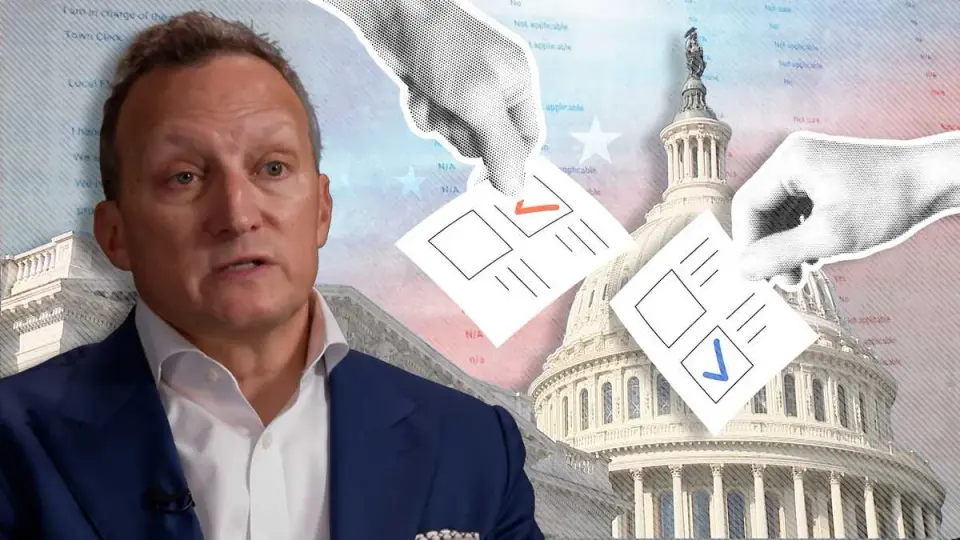
As the November 2026 midterm elections approach, state and local election officials are intensifying coordination to counter perceived federal interference. The Trump administration has pursued policies including tightening mail-in ballot rules, proposing the SAVE America Act, and seeking access to voter rolls via the Department of Justice. Simultaneously, the Cybersecurity and Infrastructure Security Agency (CISA) has reduced its workforce, leading to decreased support for state election systems. In response, Democratic state attorneys general and secretaries of state have launched weekly strategy sessions and tabletop exercises to prepare for potential federal meddling, while national security officials quietly advise states on defensive measures.
Key points
- The Trump administration has proposed the SAVE America Act, which would require proof of citizenship for voter registration and photo ID for federal ballots, alongside efforts to restrict mail-in voting.
- The Department of Justice has sued 30 states to obtain unredacted voter lists containing sensitive data, though courts have ruled against the administration in 26 of these cases.
- CISA has reduced its workforce, with over a dozen election security workers placed on leave, leading to reduced contact and support for state election officials.
- Twenty-four Democratic state attorneys general and secretaries of state are coordinating through weekly Zoom calls and in-person tabletop exercises to prepare for potential federal interference.
- A small group of U.S. national security officials is discreetly advising state governments and lawmakers on how to prepare for potential election interference by the administration.
Background
This escalation follows a period of declining presidential approval and heightened voter anxiety, with 80% of Americans seeking substantial change in government ahead of the midterms. Recent delays in USPS ballot processing and economic concerns have further intensified fears about election integrity and access.
How outlets are covering it
WLKY highlights the erosion of trust in federal election support due to CISA workforce reductions and the DOJ's pursuit of voter data, noting that election officials across the political spectrum are no longer relying on federal assistance. The Guardian emphasizes the proactive, organized resistance by Democratic state officials, framing the administration's actions as an unprecedented threat to democratic norms. The Washington Post reveals a less publicized dimension: quiet, bipartisan coordination between national security officials and state leaders to mitigate potential interference, suggesting a broader, behind-the-scenes effort to safeguard the electoral process.
Why it matters
These developments raise significant concerns about the integrity and accessibility of the 2026 midterm elections. The tension between federal and state authorities over election administration could impact voter participation and public trust in the democratic process, particularly as the administration continues to assert control over election security and voter data.
What to watch
State officials are expected to continue their coordinated preparations, including legal challenges to federal actions and logistical planning for potential disruptions. The outcome of the midterms will likely hinge on voter turnout and the effectiveness of these defensive measures against federal interference.
- What federal election changes are raising concerns for the 2026 midterms WLKY
- Top Officials Secretly Sound Alarm on Nightmare Trump Scenario Yahoo News Singapore
- State attorneys general step up plans to counter Trump’s meddling in midterms The Guardian
- U.S. officials privately advise states fearing Trump election meddling The Washington Post
- Democrats are preparing for Trump to try disrupting voting on Election Day MS NOW
Want the full story? Read the original reporting
Read on WLKY