
Stein Vets NC Bill Granting Chief Justice Power to Suspend Judges Without Pay
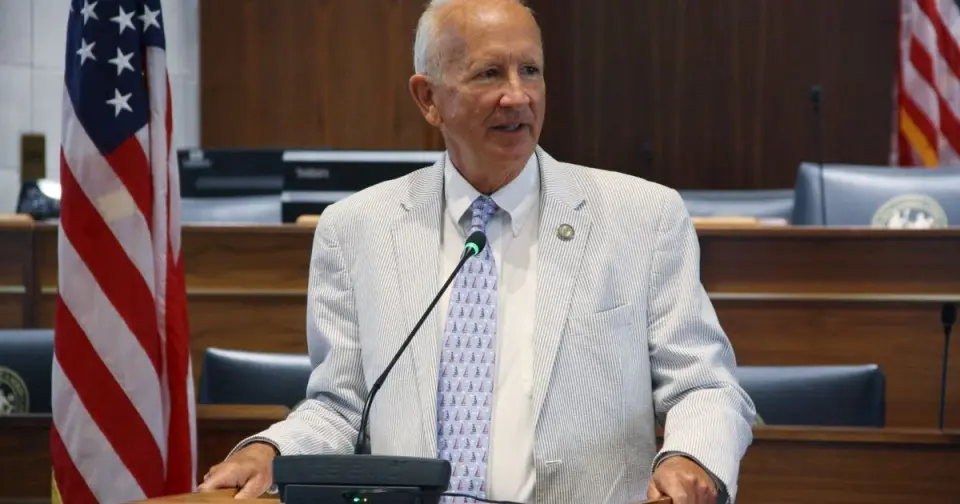
North Carolina Governor Josh Stein has announced he will veto House Bill 377, a measure that would grant Supreme Court Chief Justice Paul Newby the authority to suspend any trial court judge without pay during an ethics investigation. Stein argues the bill threatens judicial independence and is unique in its scope nationally. The legislation passed the General Assembly despite unanimous Democratic opposition, with Republicans arguing it ensures judicial accountability. Critics warn the move allows political retaliation against judges, particularly those ruling against the party’s interests on issues like bail.
Key points
- Governor Josh Stein plans to veto House Bill 377, which would allow Chief Justice Paul Newby to suspend trial judges without pay pending ethics investigations.
- Stein stated that no other state grants a single official such sweeping power over the judiciary, calling the bill a threat to judicial independence.
- House Speaker Destin Hall supported the bill, suggesting Newby should use the power to remove judges who grant bail to violent offenders.
- The Judicial Standards Commission, which investigates ethics complaints, is controlled by Republican appointees, and its proceedings are largely secret.
- Stein also plans to veto House Bill 958, which would alter state election laws, citing similar concerns about partisan control.
Background
This veto follows a broader pattern of legislative changes in North Carolina aimed at increasing partisan influence over the judiciary. Recent laws have made judicial elections partisan, restricted gubernatorial appointments, and created new 'special' judgeships appointed directly by the chief justice. These moves follow earlier controversies involving ethics investigations of Democratic justices Anita Earls and Allison Riggs, which critics described as politically motivated.
How outlets are covering it
WRAL.com emphasizes Stein’s argument that the bill is a unique national outlier threatening judicial independence, noting that all Democrats voted against it. Queen City Nerve frames the bill as a power grab by a 'hyper-partisan' chief justice with a history of ethical compromises, including conflicts of interest with Duke Energy. Democracy Docket highlights the potential for the bill to be used to remove Democratic justices from the Supreme Court itself, bypassing voter elections, and notes that two former Democrats who lost primaries have voted to override vetoes in the past, suggesting the bill could still pass despite the veto. All sources agree on the bill’s mechanics but differ on the degree of immediate threat versus long-term structural erosion of judicial independence.
Why it matters
The veto sets a precedent for executive resistance to legislative attempts to consolidate judicial power. If the veto is overridden, it could lead to the removal of judges based on political disagreement rather than ethical violations, undermining public confidence in the rule of law. The outcome also signals the intensity of the partisan struggle over control of the judiciary in North Carolina.
What to watch
Governor Stein is expected to sign the veto on Monday. The General Assembly will then decide whether to attempt an override, which requires a two-thirds majority. If the veto is overridden, Chief Justice Newby would gain the power to suspend judges without pay, potentially leading to forced resignations. If the veto holds, the status quo remains, but the legislature may pursue similar measures in future sessions.
- ‘Stop politicizing our courts’: Stein to veto bill enabling NC chief justice to suspend judges WRAL
- NC governor set to veto bill that lets chief justice suspend judges without pay Raleigh News & Observer
- OPINION: Gov. Stein Should Veto Bill That Gives More Power to Hyper-Partisan Chief Justice Paul Newby Queen City Nerve
- North Carolina Republicans want to let justices remove Democratic judges Democracy Docket
- Stein set to veto controversial changes to North Carolina court system NC Newsline
Want the full story? Read the original reporting
Read on WRAL