
Stevens Criticizes El-Sayed Campaign Tactics Amid Michigan Senate Rift
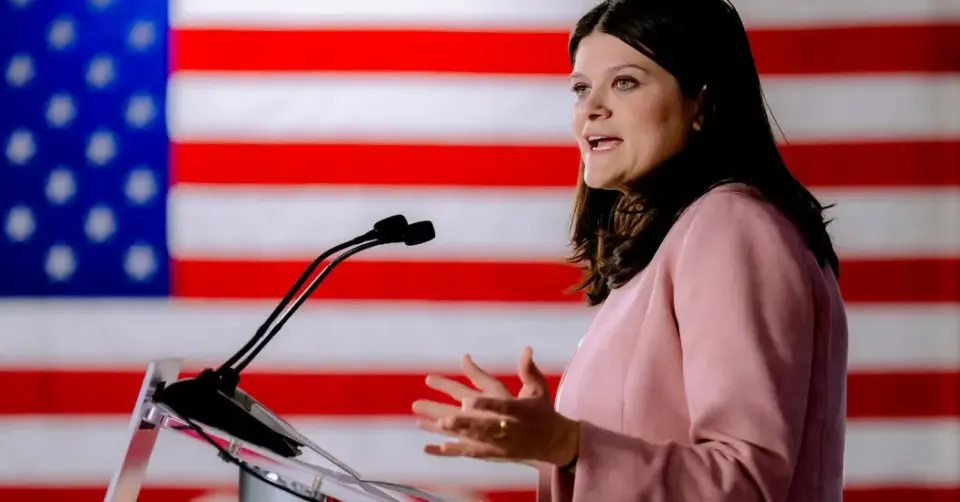
With the Michigan Senate race tightening, former primary opponent Rep. Haley Stevens has publicly criticized Democratic nominee Dr. Abdul El-Sayed’s campaign tactics, including ads featuring Tucker Carlson and outside groups. Although Stevens confirmed she will vote for El-Sayed, she urged the campaign to address concerns from Jewish and Black voters. The two have not campaigned together since August, and some Democratic donors are defecting to the Republican side due to unresolved tensions.
Key points
- Rep. Haley Stevens stated on CNN that she will vote for Dr. Abdul El-Sayed but criticized his campaign for not denouncing an ad alleging foreign aid to Israel caused high prices in Michigan.
- Stevens called for El-Sayed to remove an ad featuring Tucker Carlson, arguing the campaign must make voters in her coalition feel comfortable at the polls.
- Stevens and El-Sayed have not held joint appearances since the August primary, despite brief unity events immediately after the vote; Stevens is not scheduled to join El-Sayed for any events before Election Day.
- David Kramer, a top Michigan Democratic fundraiser who chaired Stevens’ primary campaign, announced he will vote for Republican nominee Mike Rogers, citing concerns about Jewish safety and El-Sayed’s past remarks.
- El-Sayed’s campaign spokesperson stated that the two teams remain in close communication, while El-Sayed previously attributed the lack of joint appearances to Stevens’ busy schedule.
- Stevens’ fiancé, Jason Turkish, announced he will vote for Mike Rogers, citing disagreements over El-Sayed’s stance on Jewish safety concerns.
Background
The Michigan Senate race has been marked by intense intra-party tensions since the August primary, where El-Sayed narrowly defeated Stevens. Recent weeks have seen heightened attacks from Republican nominee Mike Rogers and President Donald Trump, who have labeled El-Sayed a 'jihadist' and accused him of ties to the Muslim Brotherhood. El-Sayed has denied these claims as Islamophobic. The race remains too close to call, with polls showing a narrow lead for El-Sayed, and the outcome is critical for Senate control. Oakland County, a key battleground, has seen some Democratic voters skip the Senate race or defect to the Republican candidate due to unresolved primary disputes.
How outlets are covering it
The New York Times highlights Stevens’ public criticism of El-Sayed’s campaign tactics and her call for the campaign to address voter concerns, framing the situation as unusual intraparty tension in a pivotal midterm contest. CNN provides a more detailed account of the lack of coordination between Stevens and El-Sayed since the primary, noting that Stevens has not participated in any of El-Sayed’s recent events and that some Democratic donors are defecting to the Republican side. CNN also emphasizes the broader context of the race, including the tight polling, the role of Jewish and Black voters, and the impact of outside groups and ads on the campaign. Both sources agree that the relationship between Stevens and El-Sayed has been strained, but CNN offers more detail on the reasons for the rift and the potential consequences for the election.
Why it matters
The unresolved tensions between El-Sayed and Stevens could impact voter turnout and support in key districts like Oakland County, which is crucial for the outcome of the Michigan Senate race. The defection of prominent Democratic figures like David Kramer to the Republican side may signal broader dissatisfaction within the Democratic base, potentially affecting the race’s outcome. The race is also significant for Senate control and the broader national political landscape, with Democrats hoping to win seats in traditionally red states.
What to watch
El-Sayed is expected to headline an event in Oakland County the day before the election, but Stevens is not scheduled to join him. The race remains too close to call, with polls showing a narrow lead for El-Sayed. The outcome will depend on voter turnout and support in key districts, particularly among Jewish and Black voters who were central to the primary dispute. The campaign’s ability to address concerns from these groups and unify the Democratic base will be critical in the final days before the election.
- In Michigan, El-Sayed Faces Heat From Former Primary Rival as Election Nears The New York Times
- Abdul El-Sayed and Haley Stevens haven’t campaigned together — or spoken — in recent months CNN
- Haley Stevens' fiancé says he's voting for Mike Rogers for Senate The Detroit News
- Former Haley Stevens campaign chair and prominent Democratic fundraiser says he plans to vote for Rogers Jewish Insider
- Stevens’s fiance says he’ll vote for Rogers over El-Sayed The Hill
Want the full story? Read the original reporting
Read on The New York Times