
Experts urge 'competence first' approach to AI in schools
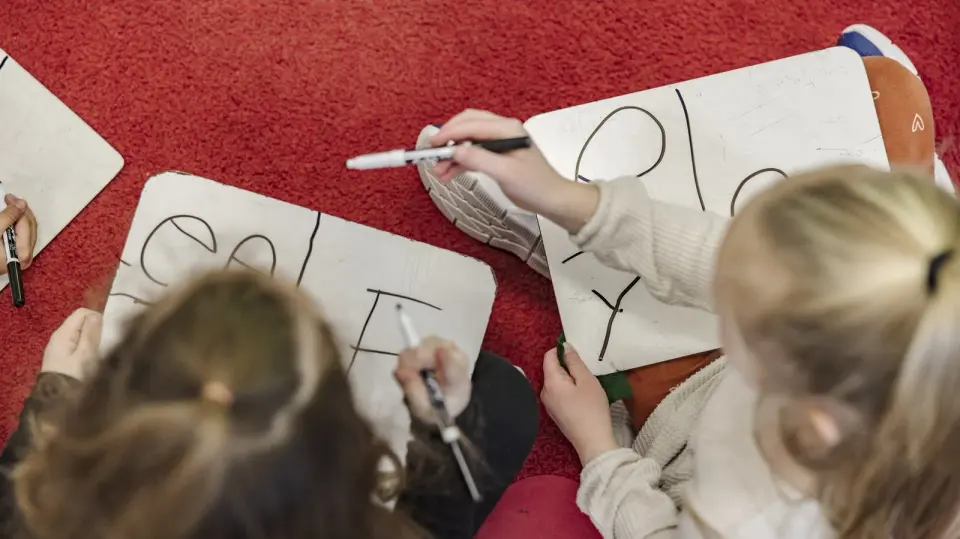
A new University of Minnesota report warns that casual use of generative AI by students, particularly in elementary school, poses a severe threat to critical learning processes. Experts surveyed for the study emphasize that AI should only be introduced after students have mastered foundational skills like writing and critical thinking. While some districts have banned AI for younger students, others argue for a nuanced approach that prioritizes skill acquisition over tool usage.
Key points
- University of Minnesota report finds generative AI can severely disrupt memory and higher-order thinking if used before foundational skills are mastered.
- Experts warn that elementary students need to practice independent writing and thinking before using AI tools that perform these tasks for them.
- New York City and Los Angeles Unified School Districts have paused or banned AI use in classrooms to protect student safety and development.
- Common Sense Media reports that over half of teens with blocked AI at school switch to using it on personal devices, highlighting the limits of bans.
- Educators suggest a 'competence first, augmentation second' principle, where AI is used to test and expand skills only after students have independently acquired them.
Background
This debate follows earlier concerns about the rapid integration of AI in education without sufficient research on long-term impacts. Previous discussions have highlighted the need for AI literacy and the risks of outsourcing cognitive development to machines. The current report builds on these concerns by providing expert consensus on the timing and context of AI introduction in schools.
How outlets are covering it
The University of Minnesota report, led by Panayiota Kendeou, emphasizes the 'severe and one-sided' disruption AI can cause to learning if introduced too early. WTOP News highlights the cognitive development risks for young children, citing Amy Tondreau’s view that AI shortcuts hinder skill acquisition. Washington Jewish Week’s David Butler argues for a nuanced approach, distinguishing between using AI to enhance skills versus avoiding skill acquisition entirely. EdSurge notes the practical challenges of bans, with Yvette Renteria comparing them to abstinence-only education and Jaime Casap urging evidence-based decisions rather than blanket prohibitions. While all sources agree on the risks of premature AI use, they differ on the best path forward, with some advocating for strict bans and others for structured, skill-based integration.
Why it matters
The findings underscore the need for careful, evidence-based policies in AI integration to protect students' cognitive development and ensure they develop essential skills. As AI becomes more prevalent in education, balancing innovation with foundational learning is crucial for preparing students for future challenges.
What to watch
Schools and districts are likely to continue refining their AI policies, with some maintaining bans and others exploring structured, skill-based integration. Further research on the long-term impacts of AI on learning and the development of AI literacy programs will be critical in shaping future educational practices.
- University of Minnesota report warns student AI use poses 'severe' threat to learning MPR News
- How teachers are remaking classrooms for the AI age Reuters
- AI in the classroom? Research finds it’s not a great idea WTOP News
- Opinion: Who Is Doing the Thinking? Washington Jewish Week
- Does an AI Pause Protect Students, or Leave Some Behind? EdSurge
Want the full story? Read the original reporting
Read on MPR News