
Supreme Court halts Big Bend border wall injunction, allowing construction to resume
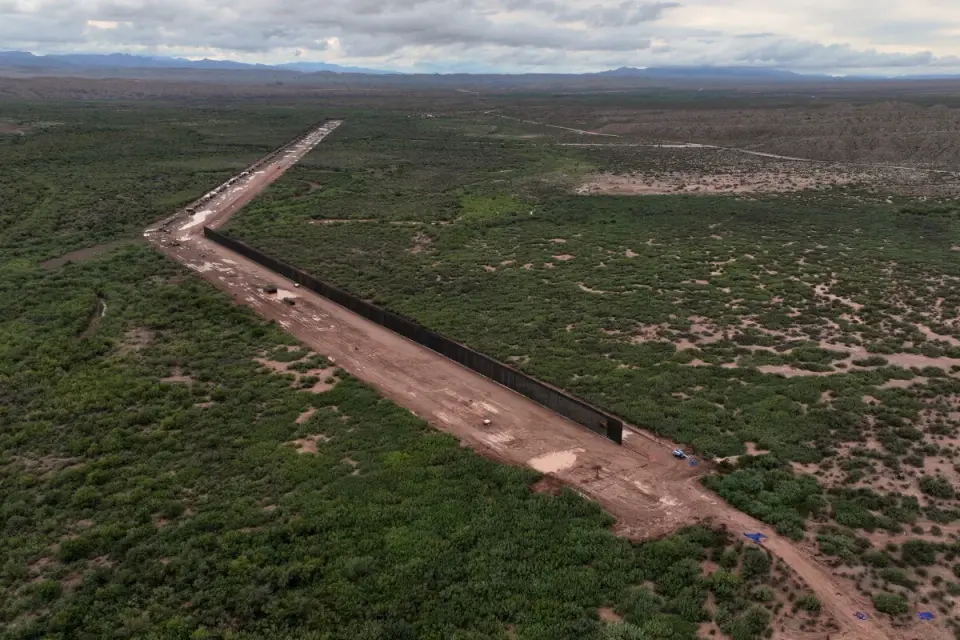
The U.S. Supreme Court issued an 8-1 decision on November 10, 2026, temporarily lifting a federal judge’s order that had halted border wall construction in Texas’s Big Bend region. The court ruled that the lower court lacked authority to block the project, citing compelling national security interests. This allows the Trump administration to resume building barriers, including vehicle obstacles and surveillance technology, across a 341-mile stretch that includes Big Bend National Park. The ruling does not resolve the underlying lawsuit but permits construction to continue while litigation proceeds. Only Justice Ketanji Brown Jackson dissented. Opponents, including environmental groups and local landowners, expressed deep concern over the potential destruction of pristine landscapes and historic sites, arguing the area has the lowest rate of illegal crossings along the southern border. The administration contends that leaving Big Bend unfortified would create a vulnerability exploited by cartels and migrants. The decision follows a $46 billion funding package passed by Congress in 2025 to accelerate border infrastructure nationwide.
Key points
- The Supreme Court voted 8-1 to lift an injunction that had stopped border wall construction in the Big Bend region of Texas.
- The court ruled that the federal judge who issued the halt lacked the authority to block the project, finding the government 'extremely likely to prevail' on jurisdictional grounds.
- The project involves 341 miles of construction, including 30-foot steel walls, vehicle barriers, and surveillance technology, in an area with historically low migrant apprehensions.
- Justice Ketanji Brown Jackson was the sole dissenter, though she did not provide a written explanation for her vote.
- The ruling allows construction to resume immediately, but the underlying lawsuit challenging environmental waivers remains active in lower courts.
- The Trump administration argued that gaps in the border wall would be exploited by cartels and migrants if Big Bend remained unfortified.
Background
This decision follows a series of legal challenges to the Trump administration’s border wall expansion, which began in earnest after Congress passed a $46 billion funding package in 2025. The Big Bend region, which includes Big Bend National Park, has been a focal point of opposition due to its pristine environment and low rate of illegal crossings. In August 2026, construction activity inside the national park sparked outrage, leading to a temporary pause. On October 2, 2026, U.S. District Judge Kathleen Cardone issued an injunction halting all construction in the area, ruling that the government’s waivers of environmental laws were likely unauthorized. The administration appealed to the Supreme Court, which had previously weighed the emergency appeal in late October. The current ruling is part of a broader pattern of the court deferring to the executive branch on border security matters, as seen in earlier cases involving deportation proceedings and other border infrastructure projects.
How outlets are covering it
The Trump administration and its supporters, including Customs and Border Protection head Rodney Scott, framed the decision as a necessary step to secure the border. They argued that leaving Big Bend unfortified while other sections of the border are built would create a vulnerability exploited by cartels and migrants. The administration emphasized the 'compelling interests' of national security and the 'broad authority' granted by Congress in 1996 to build border infrastructure without regulatory delays. In contrast, opponents, including the Center for Biological Diversity, Friends of the Ruidosa Church, and local landowners, argued that the project is a waste of money and threatens the unique landscape and historic sites of the Big Bend region. They highlighted that the area has the lowest rate of illegal crossings along the southern border and that the construction would cause 'permanent destruction' of the wildest place in Texas. Environmental groups and local residents, including David Keller, a landowner and plaintiff in a separate lawsuit, called the decision 'devastating' and warned of the 'industrialization' of one of the last undeveloped wild places in the lower 48 states. Even some Republicans, such as outgoing Senator John Cornyn, opposed the project, arguing that modern technology and adequate staffing would be a more sensible and effective path forward than 'indiscriminate construction of unnecessary barriers.' The Supreme Court’s decision, while allowing construction to resume, did not finally resolve the lawsuit, leaving the legal battle ongoing.
Why it matters
The Supreme Court’s decision to lift the injunction on Big Bend border wall construction has significant implications for the balance of power between the executive and judicial branches on border security issues. It signals that the court is willing to defer to the administration’s claims of national security, even when environmental and local concerns are raised. This could set a precedent for future border wall projects and other infrastructure initiatives that face legal challenges. The decision also highlights the ongoing tension between federal border security policies and local opposition, particularly in areas with low rates of illegal crossings. The ruling may accelerate the construction of barriers along the entire 2,000-mile southern border, as the administration has been rapidly erecting 12 miles of barriers per week. However, the underlying lawsuit remains active, and the final outcome of the legal battle is still uncertain. The decision also underscores the political and environmental stakes of the border wall debate, with opponents arguing that the project is a waste of money and a threat to the environment, while supporters argue that it is necessary to secure the border and prevent illegal immigration and smuggling.
What to watch
The Trump administration is expected to resume construction in the Big Bend region immediately, though Customs and Border Protection did not provide a specific timeline. The agency has indicated that it will come forward with a finalized plan for what it intends to build in Big Bend National Park, but has not yet done so. The underlying lawsuit challenging the environmental waivers remains active, and the case is expected to proceed in lower courts. The administration may seek further Supreme Court review if the lower court rules against it. Opponents, including the Center for Biological Diversity and local landowners, are expected to continue their legal and public opposition, potentially filing new challenges or seeking additional court interventions. The decision may also influence the broader border wall construction effort, as the administration aims to complete a 2,000-mile installation including steel panels, vehicle barriers, and surveillance technology. The outcome of the Big Bend case could set a precedent for other border wall projects facing legal challenges, particularly in areas with environmental or historic significance. The administration’s ability to bypass environmental regulations through waivers will likely remain a key issue in future border security debates.
- Supreme Court clears the way for border wall construction in Texas’s Big Bend to resume AP News
- Supreme Court paves way for Trump to build a section of his border wall in the Big Bend area of Texas NBC News
- Border wall decision caps busy Monday at SCOTUS SCOTUSblog
- Supreme Court rules 8-1 to restart Big Bend border wall work despite lawsuit KFOX
- Supreme Court says border wall construction can continue in West Texas NPR
Want the full story? Read the original reporting
Read on AP News