
Supreme Court halts legal block on third-country deportations, sets December hearing
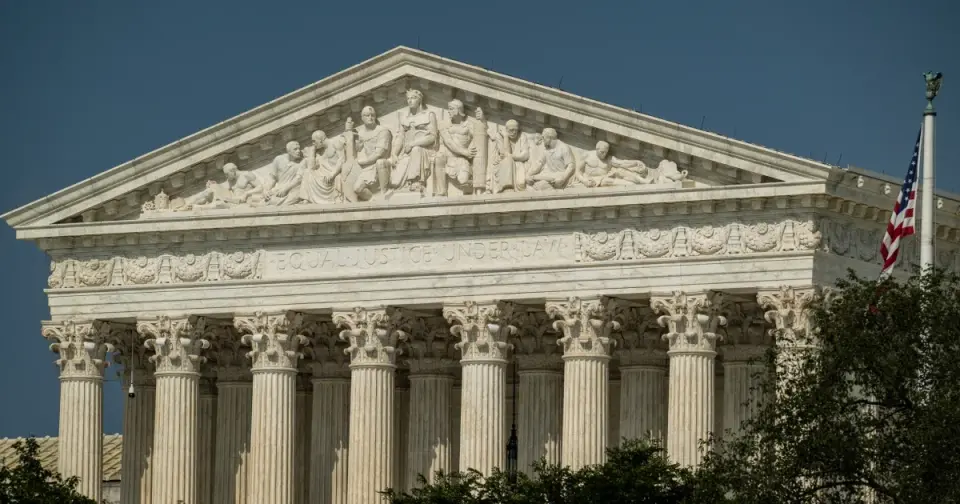
The Supreme Court has temporarily allowed the Trump administration to resume deporting migrants to third countries, overturning a lower court ruling that required due process protections. The court scheduled oral arguments for December, with a final decision expected by July. This is the third time the high court has intervened in this dispute, with liberal justices dissenting. Approximately 25,000 migrants have been removed under this policy since 2025, raising concerns about safety and legal rights.
Key points
- The Supreme Court granted an emergency request to pause a First Circuit Court of Appeals ruling that blocked third-country deportations, allowing the policy to continue immediately.
- The court scheduled oral arguments for December, with a definitive ruling expected by July, marking the third time it has intervened in this case.
- Three liberal justices dissented from the emergency order, while the majority did not provide a written explanation for their decision.
- The Trump administration argued that the lower court ruling caused logistical chaos, including cancelled flights and diplomatic issues, preventing the removal of dangerous criminals.
- Opponents of the policy, including immigrant rights groups, argued that the ruling exposes migrants to immediate risk of torture and persecution in countries where they have no connections.
Background
This dispute centers on the Convention Against Torture, which restricts deportation to countries where individuals face a risk of torture. The policy, which has relocated approximately 25,000 migrants since 2025, has faced multiple legal challenges, with lower courts previously ruling it unlawful for due process reasons. The administration has signed deals with 29 countries to accept these migrants, often without individualized determinations of safety.
How outlets are covering it
The Trump administration, represented by Solicitor General D. John Sauer and DHS General Counsel James Percival, framed the Supreme Court's decision as a victory for homeland security, arguing that the lower court ruling created 'substantial logistical problems' and prevented the removal of 'dangerous criminals.' They emphasized that the policy is lawful and that the government has received blanket assurances from destination countries that migrants will not be mistreated. In contrast, immigrant rights advocates, including the National Immigration Litigation Alliance, criticized the decision as endangering the lives of migrants, stating that it removes 'meaningful opportunities' to challenge removals and exposes individuals to torture and persecution. The three liberal justices dissented but did not provide a written explanation, while the majority issued a brief unsigned order. CNN and SCOTUSblog highlighted the procedural nature of the emergency stay, noting that it does not constitute a final ruling on the merits, whereas The Guardian emphasized the administration's broader mass deportation agenda and the controversial nature of the policy.
Why it matters
The Supreme Court's decision has immediate implications for the safety and legal rights of migrants facing deportation to third countries, potentially exposing them to torture and persecution. It also sets the stage for a definitive ruling on the legality of the policy, which could have broader implications for immigration enforcement and due process protections in the United States. The case highlights ongoing tensions between the executive branch's immigration priorities and judicial oversight of human rights and legal standards.
What to watch
The Supreme Court will hear oral arguments in December, with a final decision expected by July. The outcome will determine whether the third-country deportation policy can continue without the due process protections mandated by lower courts. The administration may also propose additional legal questions for the court to consider, while opponents will continue to argue for the rights of migrants to challenge their removals.
- Supreme Court allows Trump’s ‘third country’ deportation policy NBC News
- Supreme Court allows Trump to restart controversial deportations to countries they have no connection to CNN
- Immigrants ask Supreme Court to leave ruling in place preventing Trump administration from deporting them to third-party countries SCOTUSblog
- Trump officials ask supreme court to allow third-country deportations The Guardian
- Supreme Court Allows Rapid Third-Country Deportations, for Now The New York Times
Want the full story? Read the original reporting
Read on NBC News