
Supreme Court Lifts Injunction, Allowing Trump Border Wall Construction in Texas Big Bend
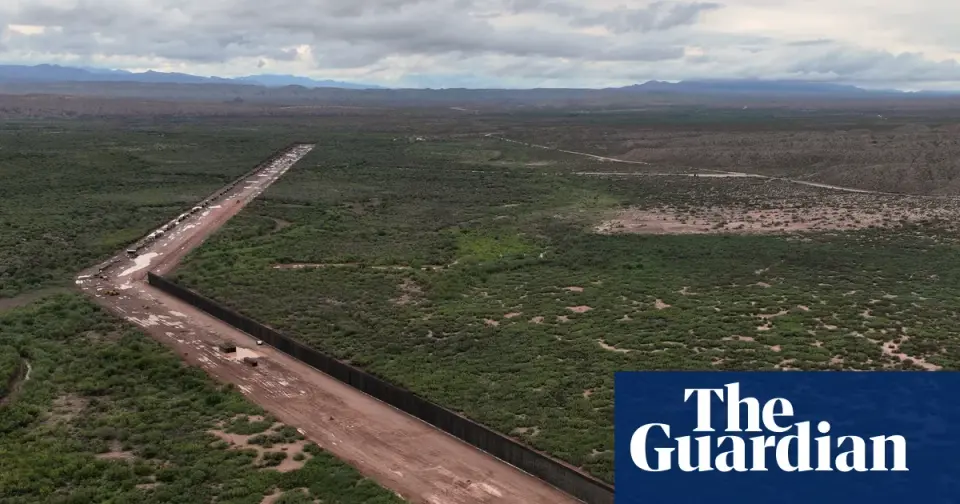
The US Supreme Court has permitted the Trump administration to resume construction of border barriers in Texas’s Big Bend region, including parts of Big Bend National Park. The court suspended a lower court injunction that had halted the project, ruling that federal immigration laws allow the waiver of environmental protections for expedited border security. While the administration claims the move is necessary to prevent exploitation of gaps in the border, opponents argue the area has minimal illegal crossings and that the construction will cause irreversible damage to protected landscapes and historic sites. Only Justice Ketanji Brown Jackson dissented from the decision.
Key points
- The Supreme Court issued an unsigned, five-page ruling allowing the Trump administration to continue building border barriers in the Big Bend region, including within Big Bend National Park.
- The court suspended a lower court injunction that had temporarily halted the project in October, ruling that the federal judge lacked authority to block the construction.
- The administration plans to construct over 300 miles of six-foot-tall vehicle barriers and supporting roads, relying on a 1996 law that allows the Secretary of Homeland Security to waive environmental and conservation laws.
- Plaintiffs, including the Center for Biological Diversity, a river guide, and a church preservation group, argue that the project threatens wildlife, public lands, and historic sites, and that the area has the lowest apprehension rates for migrants along the border.
- The administration has announced 'meaningful adjustments' to its plans within Big Bend National Park, though details were not provided, and has backed off plans for a 30-foot steel wall inside the park.
- Only Justice Ketanji Brown Jackson dissented from the ruling, with the majority stating that the government’s interest in border security outweighs alleged aesthetic, recreational, and environmental harms.
Background
The dispute began after a federal judge in October issued an injunction halting construction, citing concerns over environmental and historic preservation. The Trump administration appealed to the Supreme Court, arguing that the lower court exceeded its authority and that federal immigration laws permit the waiver of environmental protections for expedited border construction. The project is part of a broader 2,000-mile border security initiative, including steel panels, vehicle barriers, and surveillance technology, which the administration aims to complete by the end of Trump’s second term.
How outlets are covering it
The Trump administration and its supporters argue that the border wall is essential for national security, citing the need to prevent exploitation of gaps in the border and the legal authority granted by Congress in 1996 to waive environmental protections for expedited construction. In contrast, opponents, including environmental groups and local residents, contend that the area has minimal illegal crossings and that the construction will cause irreversible damage to protected landscapes, historic sites, and wildlife. The Center for Biological Diversity condemned the Supreme Court’s decision, calling it a 'horrific decision' that clears the way for the 'permanent destruction of the wildest place in Texas.' The New York Times noted that the administration announced 'meaningful adjustments' to its plans within Big Bend National Park, though details were not provided, while NBC News highlighted that the legal dispute focuses on three waivers issued by former Homeland Security Secretary Kristi Noem and her successor Markwayne Mullin. The Washington Post emphasized that the administration has backed off plans for a 30-foot steel wall inside the park, but the broader project remains controversial.
Why it matters
The Supreme Court’s decision has significant implications for the balance between national security and environmental protection in the US. It sets a precedent for the use of federal laws to waive environmental protections for border construction, potentially affecting future projects and legal challenges. The ruling also highlights the ongoing tensions between the Trump administration and environmental groups, as well as the broader debate over the effectiveness and necessity of border walls in areas with minimal illegal crossings. The decision may also influence public opinion and political discourse on immigration and border security, as the administration seeks to fulfill its promise of a comprehensive border wall by the end of Trump’s second term.
What to watch
The administration is expected to resume construction of border barriers in the Big Bend region, with the goal of completing the project by the end of Trump’s second term. The legal battle over the project’s legality will continue in lower courts, with the administration arguing that the 1996 law grants it broad authority to build border infrastructure without environmental restrictions. Opponents are likely to continue challenging the project, citing concerns over environmental and historic preservation. The administration’s 'meaningful adjustments' to its plans within Big Bend National Park may be scrutinized by environmental groups and local residents, who will monitor the impact of the construction on protected landscapes and historic sites. The decision may also influence future border security projects and legal challenges, as the Supreme Court’s ruling sets a precedent for the use of federal laws to waive environmental protections for expedited construction.
- US supreme court clears way for Trump’s border wall in Texas’s Big Bend The Guardian
- Supreme Court Allows Construction of Trump’s Border Wall in Big Bend The New York Times
- Supreme Court paves way for Trump to build a section of his border wall in the Big Bend area of Texas NBC News
- Supreme Court allows major part of Trump’s border security project in Texas The Washington Post
- Supreme Court allows Trump administration to build border barrier in Big Bend National Park despite bipartisan backlash Yahoo
Want the full story? Read the original reporting
Read on The Guardian