
Supreme Court Opens Term with Climate, Gun, and Immigration Battles
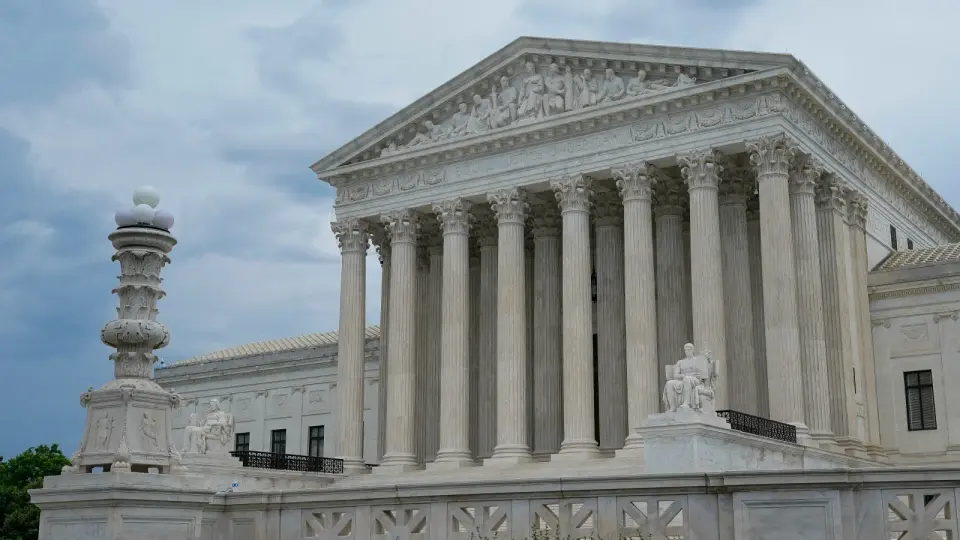
The Supreme Court begins its new term on October 5 with a packed docket featuring landmark cases on climate liability, AR-15 bans, and immigration detention. Justice Alito has recused himself from the climate case, potentially leading to a tie. The court also faces emergency election disputes and ongoing challenges to Trump administration policies.
Key points
- The first case heard is a Boulder, Colorado, lawsuit against fossil fuel companies for climate damages, with billions at stake.
- Justice Alito recused himself from the climate case due to stock holdings, risking a 4-4 split that would uphold the lower court's decision without setting precedent.
- In December, the court will hear arguments on whether state and local bans on AR-15 rifles violate the Second Amendment.
- The court will decide if the administration can detain migrants without bond hearings and deport them to third countries, following a surge in ICE detention numbers.
- A November case will determine if Catholic preschools receiving taxpayer funds can exclude children of gay parents, continuing a trend of expanding religious rights.
- Emergency applications related to the November midterms are expected to flood the court, potentially disrupting the regular schedule.
Background
This term follows a previous session where the court rejected Trump's tariffs and birthright citizenship changes but supported his firing of agency heads. Recent archive coverage highlights ongoing tensions, including a Trump-backed mail ballot restriction request and a transgender troop ban challenge. The Indiana Supreme Court's recent ruling on a close primary also underscores the high stakes of the upcoming midterms.
How outlets are covering it
USA Today emphasizes the broad implications of the climate case for state regulation of AI and other cross-border issues, while CNN highlights the absence of major separation-of-powers blockbusters from the previous term. The New York Times focuses on the erosion of the summer recess due to emergency applications. All sources agree on the conservative majority's likely stance on gun and religious rights, but differ on the potential for a 4-4 split in the climate case due to Alito's recusal.
Why it matters
The outcomes of these cases will shape federalism, gun rights, immigration enforcement, and religious freedom for years. A 4-4 split in the climate case could leave state lawsuits intact without a national precedent, while rulings on immigration and guns will directly impact millions of Americans. The court's handling of emergency election disputes could influence the November midterms.
What to watch
The court will hear the climate case on October 5, followed by the religious preschool case in November and the AR-15 ban case in December. Emergency election-related applications are expected to rise as the November midterms approach. The court has granted only 28 cases so far, with more likely to be added, including potential challenges to Trump's new tariffs and congressional clashes.
- Trump. Climate. AR-15s. The Supreme Court is about to go back to work usatoday.com
- Supreme Court heads into new term with one eye on President Trump cnn.com
- The Supreme Court faces another term jam-packed with controversy npr.org
- The Supreme Court’s Summer Break Vanishes, Erased by Emergencies The New York Times
- Supreme Court opens new term with shaky Trump relationship The Hill
Want the full story? Read the original reporting
Read on usatoday.com