
Supreme Court pauses legal block on third-country deportations, sets December hearing
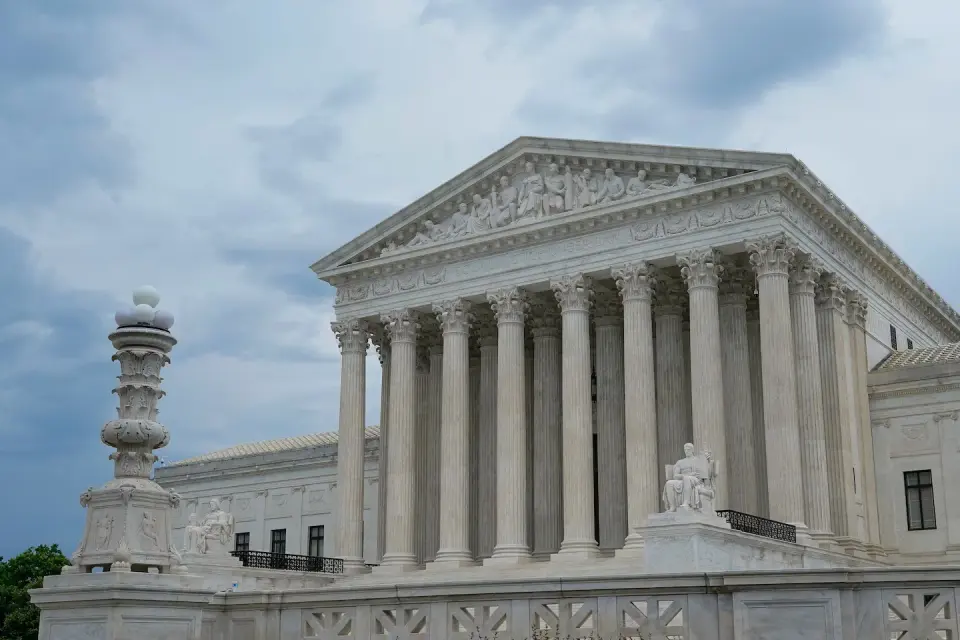
The U.S. Supreme Court has temporarily allowed the Trump administration to resume deporting migrants to countries where they are not citizens. The high court granted an emergency request to overturn a lower court ruling that required due process protections, while scheduling oral arguments for December. This move permits the continuation of a controversial policy that has already relocated tens of thousands of people to nations like South Sudan and Rwanda, despite ongoing legal challenges regarding safety and human rights.
Key points
- The Supreme Court issued a divided, unsigned order allowing the Trump administration to resume 'third-country' deportations immediately.
- The court overturned a recent First Circuit Court of Appeals ruling that mandated migrants be given a meaningful opportunity to challenge their destination before removal.
- Oral arguments on the legality of the policy are scheduled for December, with a final ruling expected in 2027.
- The policy has resulted in the removal of approximately 25,000 migrants since 2025, with Mexico, South Sudan, Eswatini, and Rwanda being key destinations.
- Critics argue the ruling exposes migrants to immediate risk of torture or persecution, while the administration cites logistical and diplomatic disruptions caused by the previous legal block.
Background
This is the third time the Supreme Court has intervened in this dispute, having previously allowed the policy to proceed after earlier lower-court blocks. The current legal challenge stems from a September 23 ruling by the First Circuit Court of Appeals, which upheld a district court decision that the current deportation process violates federal immigration laws and the Convention Against Torture. The administration had previously faced similar legal hurdles, leading to emergency appeals to the high court to maintain the momentum of its mass deportation agenda.
How outlets are covering it
The Washington Post and The New York Times frame the decision as a temporary victory for the administration but highlight the divided nature of the court and the upcoming December arguments as a critical test of presidential power. NBC News emphasizes the dissent of the three liberal justices and the immediate risks to migrants, noting that the policy has already sent thousands to countries where they have no connections. CNN focuses on the logistical arguments presented by the Solicitor General, who claimed that halting the deportations caused diplomatic issues and prevented the removal of dangerous criminals. While all outlets agree on the procedural outcome, they differ in emphasis: some focus on the legal due process violations, while others highlight the administrative and diplomatic consequences of the previous legal block.
Why it matters
This ruling sets a precedent for the limits of executive power in immigration enforcement and the scope of due process protections for non-citizens. The decision allows the continuation of a policy that has already relocated tens of thousands of people to third countries, raising significant human rights concerns. The upcoming December hearing will determine whether the practice can continue permanently, potentially impacting international relations and the legal rights of migrants facing removal to countries where they may face persecution or torture.
What to watch
The Supreme Court will hear oral arguments in December 2026, with a final ruling expected in 2027. In the interim, the Trump administration is expected to resume deportations to third countries, including South Sudan, Eswatini, and Rwanda. The administration has stated it will not immediately deport individuals if it has not received assurances from the destination country that they will not be tortured or persecuted, but critics argue this does not provide adequate protection. The outcome of the December hearing will determine whether the policy can continue or if it will be permanently halted.
- Supreme Court allows ‘third country’ deportations to resume for now The Washington Post
- Supreme Court Allows Trump Administration’s Third-Country Deportations, for Now The New York Times
- Supreme Court allows Trump’s ‘third country’ deportation policy NBC News
- Supreme Court allows Trump to restart controversial deportations to countries that migrants have no connection to CNN
- Supreme Court to hear argument on Trump administration’s deportation of immigrants to third-party countries SCOTUSblog
Want the full story? Read the original reporting
Read on The Washington Post