
Supreme Court Rejects Bid to Revive Biden-Era Deportation Pause Rule
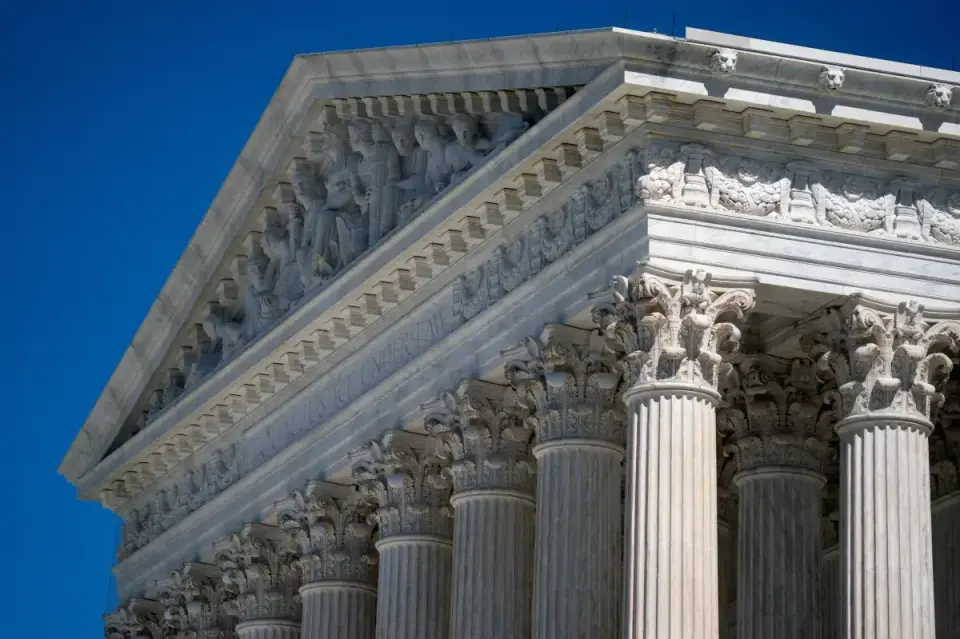
The Supreme Court declined to intervene in a dispute over a Biden-era immigration regulation, allowing a settlement between Texas and the Justice Department to permanently block 'administrative closure.' This practice allowed judges to pause deportation proceedings for certain individuals. The decision follows a lower court ruling that vacated the rule after Texas sued, arguing it was adopted without proper authority. Opponents, including three cities and an advocacy group, failed to secure an emergency stay to defend the regulation.
Key points
- The Supreme Court refused to block a settlement between Texas and the Department of Justice that invalidates a 2024 Biden-era rule.
- The rule established procedures for 'administrative closure,' allowing immigration judges to pause deportation cases in specific circumstances.
- Texas sued the federal government in June, claiming the rule lacked legal authority and allowed indefinite stays.
- The Justice Department agreed with Texas, requesting a judge to vacate the rule and prevent similar future regulations.
- District Judge Reed O'Connor granted the request, eliminating the rule in a lower court.
- Cities of Baltimore, Columbus, and New Haven, along with Centro Legal de la Raza, attempted to intervene to defend the rule.
Background
This ruling follows a series of Supreme Court interventions in immigration matters in 2026, including recent decisions allowing the resumption of third-country deportations despite lower court blocks. The current case involves a specific procedural mechanism, 'administrative closure,' which had been expanded under the Biden administration to assist crime victims and juveniles. The broader trend reflects ongoing legal battles over the scope of executive authority in immigration enforcement and the limits of judicial discretion in deportation proceedings.
How outlets are covering it
Fox News and The New York Post emphasize the Supreme Court's refusal to intervene, framing the outcome as a victory for the Trump administration and Texas in ending a Biden-era policy. They highlight the agreement between the state and the Justice Department as a decisive move to block the regulation. The New York Times focuses on the opposition's characterization of the Texas-DOJ agreement as 'egregious collusion,' noting the cities' argument that the rule had existed in some form for decades and affected hundreds of thousands of cases. All sources agree on the procedural outcome but differ in emphasis: Fox and the Post stress the finality of the block, while the Times highlights the dissenting view that the process bypassed standard rulemaking. The New York Post notes the cities' claim that the rule helped crime victims, a point not detailed in the other sources.
Why it matters
The decision eliminates a key procedural tool that allowed immigration judges to pause deportation cases, potentially accelerating removals for individuals who might have benefited from administrative closure. It signals a shift in the legal landscape for immigration enforcement, reducing judicial discretion in pausing proceedings. The ruling also sets a precedent regarding the ability of local governments and advocacy groups to challenge federal-state settlements in immigration matters, potentially limiting future interventions by similar entities. For the Trump administration, it represents a significant win in reshaping immigration policy through litigation and settlement rather than traditional rulemaking.
What to watch
The invalidated rule will remain blocked, and the lower court's ruling stands. The cities and advocacy group may pursue further appeals, but the Supreme Court's refusal to intervene suggests limited prospects for immediate reversal. The Justice Department may face future challenges regarding similar rules, but the current precedent supports the administration's position. No further hearings are scheduled for this specific case, but related immigration disputes may continue in other courts. The impact on ongoing deportation cases will depend on how quickly the new procedures are implemented by immigration judges.
- Supreme Court blocks Biden-era regulation that allowed judges to pause deportations in win for Trump admin New York Post
- Trump's unusual legal gambit against Biden-era deportation rule pays off at Supreme Court Fox News
- Supreme Court declines intervening in immigration regulation after Trump blocked it Fortune
- Trump administration can block immigration judges from closing deportation cases The Washington Post
- Supreme Court Allows Texas’ Deal With Justice Dept. on Deportation Proceedings The New York Times
Want the full story? Read the original reporting
Read on New York Post