
Supreme Court ruling on voter data access limited by pre-election legal restrictions
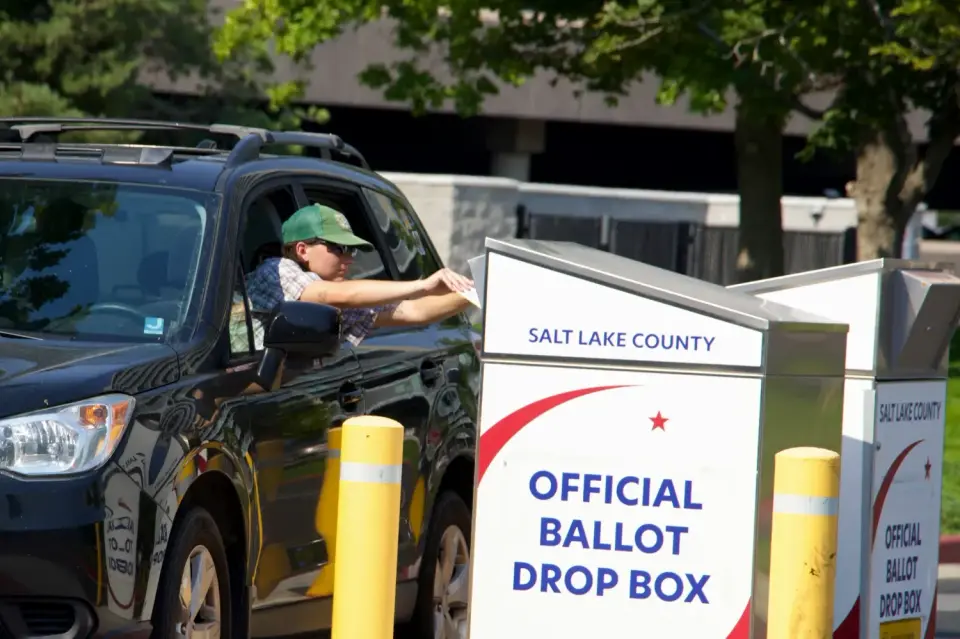
The U.S. Supreme Court ruled that states can access the Department of Homeland Security’s SAVE system to verify voter citizenship, but the National Voter Registration Act’s quiet period prevents mass purges in the 90 days before the 2026 midterms. Experts note that while the ruling allows individual checks, it has minimal immediate impact on the upcoming election. The administration’s broader efforts to identify noncitizen voters have yielded few confirmed cases, with data reliability remaining a central point of contention between federal officials and state election administrators.
Key points
- The Supreme Court issued a 6-3 decision on September 25, allowing states to use the SAVE system to check voter citizenship, reversing a June district court block.
- The National Voter Registration Act prohibits mass voter roll purges within 90 days of a federal election, limiting the immediate impact of the Supreme Court’s ruling.
- The U.S. Census identified approximately 24,000 instances of noncitizen voting in the 2020 election, representing 0.015% of all votes cast.
- A district court judge blocked the Trump administration’s attempt to condition FEMA grants on states using the SAVE system, citing overreach of authority.
- Homeland Security claimed to have identified over 250,000 potential noncitizens on voter rolls in four states, but state officials reported far fewer confirmed cases, with some lists resulting in zero actual noncitizen voters.
Background
This development follows a series of actions by the Trump administration to scrutinize voter rolls, including a nationwide sweep by Homeland Security agents in September and a stalled SAVE America Act in the Senate. Previous reports indicated that state officials questioned the methodology and reliability of federal data, noting that many flagged individuals were actually citizens. The current legal landscape is shaped by these prior disputes over data accuracy and the scope of federal authority in election administration.
How outlets are covering it
The Las Vegas Review-Journal published an opinion piece advocating for the use of the SAVE system to identify noncitizen voters, reflecting a perspective that prioritizes strict verification of citizenship. In contrast, the Daily Kos article, citing election experts and Democratic officials, emphasizes that noncitizen voting is rare and that the SAVE system relies on outdated data that risks disenfranchising eligible voters. The Supreme Court’s conservative majority acknowledged the limited immediate impact of the ruling due to the quiet period, while the liberal dissenters argued that even the risk of disenfranchising a few lawful voters outweighs the government’s interest. The White House and Homeland Security officials maintain that the SAVE system is a necessary tool for election security, while critics warn of false positives and privacy concerns.
Why it matters
The outcome of the 2026 midterm elections could be influenced by the legal and political battles over voter eligibility, even if the immediate impact of the SAVE system is limited. The Supreme Court’s upcoming oral arguments in December on the scope of the quiet period could further shape the rules for future elections. The reliability of voter data and the potential for disenfranchisement remain critical issues for election integrity and public trust in the democratic process.
What to watch
The Supreme Court is set to hold oral arguments in December on a case involving the reach of the National Voter Registration Act’s quiet period, which could determine whether states have more leeway to purge voters ahead of future elections. After the 2026 election, states may resume mass purges of voter rolls, potentially leading to more significant impacts from the SAVE system. The administration may continue to pursue legal and legislative avenues to enforce citizenship verification requirements, while state officials and advocacy groups will likely challenge the reliability and scope of federal data.
- Trump thwarted in hunt for rare noncitizen voters as midterms near Daily Kos
- The Supreme Court’s Latest Decision Could Hand the GOP the Midterms truthdig.com
- Missouri can keep using disputed federal database to review voter eligibility Missouri Independent
- VICTOR JOECKS: Nevada should use SAVE to find noncitizen voters Las Vegas Review-Journal
Want the full story? Read the original reporting
Read on Daily Kos