
Taxpayer-Funded 'Love Me' Ad for Trump Sparks Legal and Ethical Debate
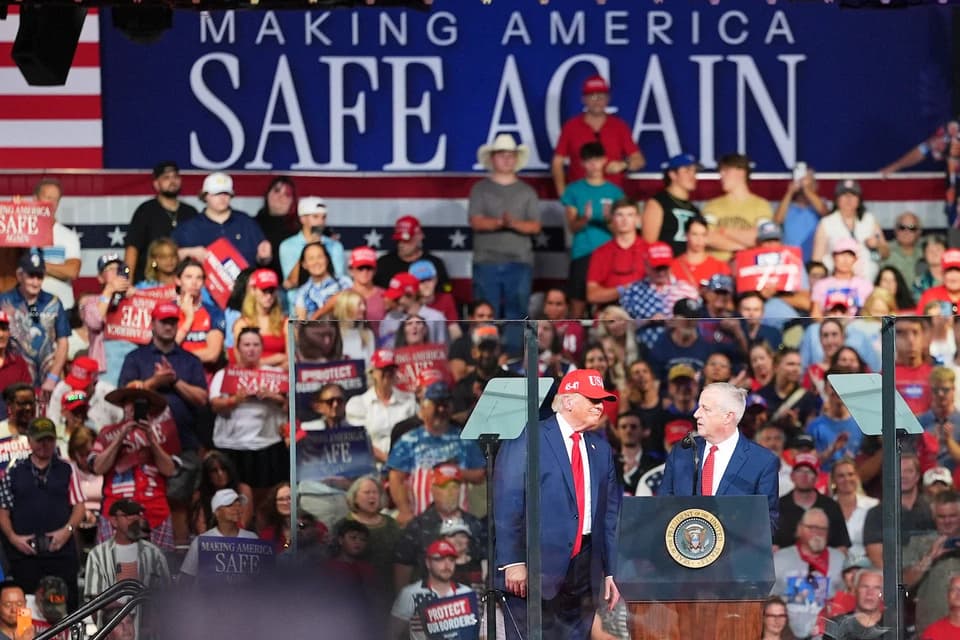
The White House is airing a 30-second television ad praising President Donald Trump that is explicitly labeled as 'Paid for by the U.S. Government.' The spot, which features the song 'Love Me' and rapid cuts of the president, has drawn criticism from Democrats who argue it violates federal laws against using taxpayer funds for political propaganda. The White House defends the ad as a patriotic public service announcement, while the artist whose music is used claims he did not grant permission for its use.
Key points
- A new 30-second TV ad promoting President Trump began airing on cable networks, including Fox News, on Wednesday, September 24, 2026.
- The ad features the song 'Love Me' by JMSN, who stated on social media that he did not authorize its use for a political campaign.
- The commercial includes a disclaimer stating it was 'Paid for by the U.S. Government,' which has raised questions about the legality of using taxpayer dollars for political promotion.
- The White House defends the ad as a 'public service announcement' focused on patriotism, arguing it is not political because the president is not on the ballot.
- Democratic lawmakers, including Sen. Maggie Hassan and Sen. Patty Murray, have demanded the ad be pulled, citing violations of federal prohibitions on government-funded propaganda.
- Ad-tracking service AdImpact reports the government has spent approximately $14,000 on the ad so far, a small amount compared to the tens of millions spent by political action committees.
Background
This development occurs amid a broader surge in advertising for the 2026 midterm elections. In early September, Trump-aligned super PACs like MAGA Inc. began deploying millions of dollars for ads in key races, such as the Texas Senate. Previous coverage noted that Trump's initial midterm ads focused heavily on his own image rather than specific Republican candidates, a strategy that has now seemingly extended to government-funded media.
How outlets are covering it
The Washington Post and The Atlantic focus on the legal and ethical implications of using taxpayer funds for what appears to be a campaign-style ad, noting the lack of precedent for such government-sponsored political messaging. CBS News provides detailed content analysis, highlighting the specific imagery and the UFC CEO's endorsement, while also noting the White House's denial that the ad is political. CNN emphasizes the financial aspect, noting the relatively low cost of the ad compared to the massive spending by MAGA Inc., and includes the perspective of the artist JMSN, who claims his music was used without permission. Democrats in Congress, as reported by CBS News, are framing the ad as an illegal misuse of funds, while the White House maintains it is a patriotic public service announcement.
Why it matters
The use of taxpayer dollars for a presidential image campaign raises significant questions about the boundaries between government communications and political advertising, especially in the lead-up to midterm elections. It could set a precedent for future administrations and may lead to legal challenges or legislative action to clarify the rules governing government-funded media.
What to watch
The White House is expected to continue airing the ad, while Democrats in Congress are likely to pursue legal or legislative action to stop it. The artist JMSN may pursue legal action over the unauthorized use of his music. The ad's impact on voter perception and its potential to influence the midterm elections will be closely monitored.
- Trump ad airing with government funding despite law against ‘propaganda’ The Washington Post
- New Trump-focused "Love Me" ad campaign paid for by taxpayers hits airwaves cbsnews.com
- Trump’s Public Service Announcement: ‘Love Me’ The Atlantic
- US government foots bill for television advertisement featuring Trump’s midterm messaging AP News
- ‘Love Me’: White House airs government-funded ad praising Trump CNN
Want the full story? Read the original reporting
Read on The Washington Post