
Ten Years of Fact-Checking Trump: Patterns, Media Fatigue, and Real-World Harm
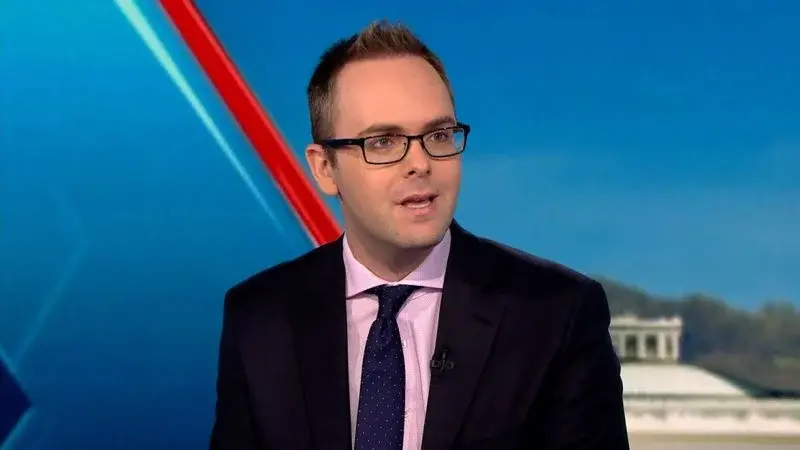
CNN fact-checker Daniel Dale marks a decade of tracking Donald Trump’s false claims, documenting over 8,500 falsehoods since 2016. Dale identifies recurring patterns in Trump’s dishonesty, including a surge in lies during political crises and the use of fabricated anecdotes to project dominance. While the volume of disinformation has overwhelmed mainstream newsrooms, Dale argues that millions of Americans still seek accurate information, and that Trump’s lies have caused tangible harm to democracy, public health, and safety.
Key points
- Daniel Dale, a CNN fact-checker, has tracked Donald Trump’s statements since September 2016, recording more than 8,500 false claims before pausing the project in 2020 due to the sheer volume.
- Dale notes that Trump’s dishonesty intensifies during political crises, such as the 2018 midterms, the 2019 Ukraine scandal, and the 2020 election loss.
- Recurring 'tells' in Trump’s lies include unnamed individuals addressing him as 'sir,' crying working-class men, and critics begging for help, all designed to portray him as a dominant figure.
- Trump frequently cites inaccurate statistics, including poll numbers, inflation data, and crowd sizes, often choosing incorrect figures that make him look better even when accurate data would suffice.
- Dale observes that while Trump sometimes acknowledges fact-checks, he continues to repeat debunked claims, and his second-term spokespeople actively defend these falsehoods, unlike the silence of aides during his first term.
- The constant stream of disinformation has led to media fatigue, with many outlets failing to challenge lies effectively, a tactic Dale compares to a 'denial-of-service' attack on the news cycle.
Background
This analysis follows a series of recent fact-checks by CNN and other outlets regarding specific Trump claims. In August 2026, CNN debunked Trump’s assertions about Canada’s unemployment and trade policies, as well as his claims regarding South Korea’s military cost-sharing. In September 2026, CNN scrutinized Trump’s unverified 9/11 rescue story, and FactCheck.org analyzed his 2026 Republican National Convention speech, finding multiple exaggerated economic and policy claims. These recent instances align with the broader patterns of dishonesty outlined in Dale’s decade-long review.
How outlets are covering it
The primary source, CNN, presents Daniel Dale’s detailed analysis of the nature and impact of Trump’s lies, emphasizing the volume of falsehoods, the media’s struggle to keep up, and the tangible harms caused. The secondary source, Mezhа. Noviny Ukrainy, summarizes the same 15 points from Dale’s article, confirming the key findings but adding a broader perspective on how systematic dishonesty has become a prominent feature of U.S. political life. Both sources agree on the core facts, such as the 8,500 false claims and the recurring themes in Trump’s lies. However, the secondary source places greater emphasis on the societal consequences, linking the lies to a deterioration in public discourse and trust in institutions, while the primary source focuses more on the media’s operational challenges and the specific patterns in Trump’s rhetoric. Neither source contradicts the other, but they highlight different aspects of the same phenomenon.
Why it matters
This analysis underscores the enduring challenge of disinformation in U.S. politics and its impact on democratic institutions. The sheer volume of false claims has strained the capacity of mainstream media to effectively counter them, potentially allowing misinformation to permeate public discourse. Furthermore, the real-world consequences of these lies, including threats to public safety and the erosion of trust in democratic processes, highlight the urgent need for robust fact-checking and media literacy. Understanding these patterns can help journalists, policymakers, and the public better navigate the landscape of political dishonesty and its broader implications for society.
What to watch
As the 2026 election cycle progresses, the volume and nature of political disinformation are likely to intensify. Media organizations may need to adopt new strategies to effectively counter the deluge of false claims, potentially leveraging technology and AI to identify and debunk misinformation more efficiently. Additionally, public interest in factual accuracy may drive demand for independent fact-checking services and educational initiatives aimed at improving media literacy. The ongoing debate over the role of fact-checking in a polarized political environment will likely continue, with implications for how news is consumed and trusted by the public.
Want the full story? Read the original reporting
Read on CNN