
Texas Socialists Build Grassroots Power Through Local Food Cooperatives
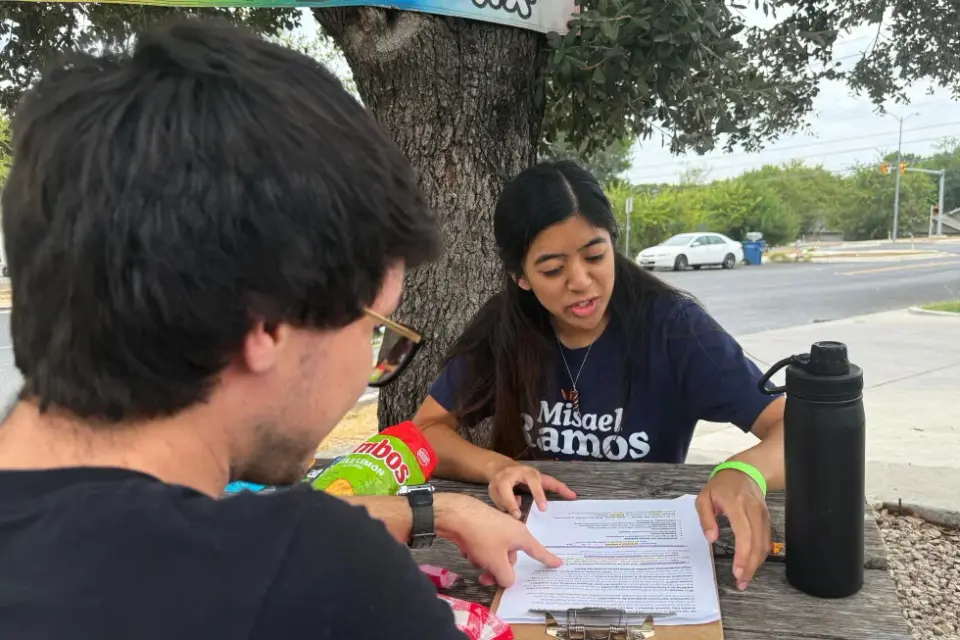
The Democratic Socialists of America (DSA) is expanding its influence in Texas through community-based initiatives like food cooperatives, rather than relying solely on high-profile electoral victories. While national polls show rising acceptance of socialism, DSA members in Texas focus on local economic structures to build long-term political power. This grassroots approach contrasts with the organization's national electoral strategy, which has faced criticism for neglecting mass protest movements. The movement's success in Texas depends on sustaining local engagement despite the broader party's focus on winning congressional seats in the 2026 midterms.
Key points
- DSA chapters in Texas are prioritizing local economic projects, such as food cooperatives, to build community trust and membership.
- A September 2026 Gallup poll indicated that 43% of Americans now view socialism favorably, the highest level since 2010.
- Despite this popularity, only 19 of 64 democratic socialist candidates won primary races for national office, limiting their immediate impact in Congress.
- Critics argue the DSA's focus on electoral politics has reduced its capacity for mass collective action and protest.
- The organization's structure relies on member-driven decision-making, which helps sustain long-term commitment compared to other left-wing groups.
Background
Recent Texas political developments have highlighted fractures within the Republican Party, including the backlash against candidate Bo French and Marjorie Taylor Greene's criticism of the MAGA movement. These events have created an opening for progressive candidates in the 2026 midterms. Additionally, legal challenges to Texas laws restricting campus speech have underscored the ongoing tensions between state authorities and student activists, providing a backdrop for the DSA's efforts to organize in local communities.
How outlets are covering it
The Guardian emphasizes the DSA's unique democratic structure, which allows members to directly influence policy and leadership, fostering long-term commitment. In contrast, CounterPunch.org criticizes the DSA for over-relying on electoral strategies, arguing that this approach neglects the power of mass protests and collective action. U.S. News & World Report highlights the limited congressional impact of democratic socialists, noting that while public acceptance of socialism is rising, few candidates have won national seats. The AP News source focuses on the grassroots, local-level efforts of Texas socialists, such as food cooperatives, as a method to build sustainable political power outside of traditional electoral cycles.
Why it matters
The DSA's strategy in Texas illustrates a shift toward grassroots economic organizing as a way to build political influence in a state with a traditionally conservative political landscape. This approach may help the movement sustain momentum beyond the 2026 midterms, even if it does not result in immediate national legislative victories. The success of local initiatives like food cooperatives could serve as a model for other progressive groups seeking to build long-term power in the United States.
What to watch
The 2026 midterm elections will test the viability of the DSA's electoral strategy, with several democratic socialist candidates running for congressional seats. Meanwhile, local chapters in Texas will continue to focus on community-based projects, such as food cooperatives, to maintain membership and build political power. The outcome of these efforts will determine whether the DSA can sustain its growth and influence in the coming years.
- Texas socialists are building a movement, one sandwich at a time AP News
- Why are the Democratic Socialists of America so successful? | Akin Olla The Guardian
- Meet the U.S. Democratic Socialists On Ballots for Congress in 2026 | National News | U.S. News U.S. News & World Report
- The Socialist Cost of DSA’s Electoral Strategy CounterPunch.org
- Where Are the Democratic Socialists of America Going? Yahoo
Want the full story? Read the original reporting
Read on AP News