
Texas Voter Abandons Trump After Cancer Debt and Rising Costs
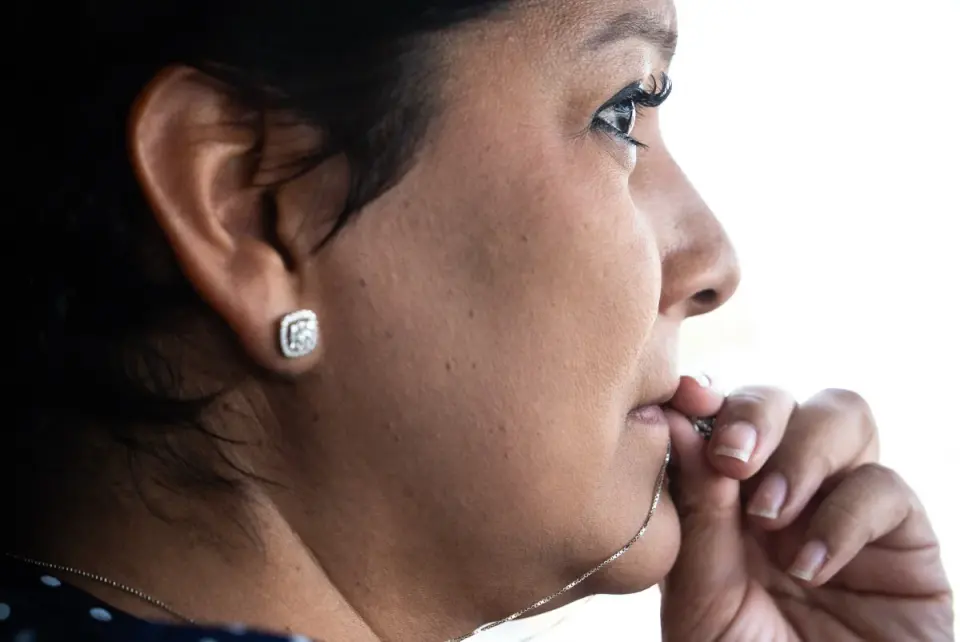
Cindy Banda, a three-time Trump supporter in McAllen, Texas, cast an early ballot for Democratic Senate candidate James Talarico after her breast cancer diagnosis and mounting medical debt made her prioritize economic survival over her previous anti-abortion stance. Her shift reflects a broader trend of Republican voters in Texas turning away from the party due to unrelenting inflation and high prices, even as she maintains her Christian faith and family stability through community support.
Key points
- Cindy Banda, 46, voted for Donald Trump in every previous election but switched to Democrat James Talarico for the U.S. Senate race in Texas.
- Banda’s political shift was triggered by a breast cancer diagnosis, which led to a mastectomy, chemotherapy, and radiation, forcing her to stop working and accumulating over $25,000 in medical debt.
- She spends approximately $7,000 monthly to maintain her household, including gas and groceries, while caring for six children, including three from her late sister.
- Talarico’s campaign emphasized lowering insulin prices and supporting abortion access, which resonated with Banda despite her historical opposition to abortion rights.
- Community support, including two GoFundMe campaigns raising nearly $30,000 and help from family members, has helped Banda avoid losing her home and vehicles.
- Banda returned to work selling internet services door-to-door just before the midterms, highlighting the financial pressures driving her political change.
Background
This story aligns with earlier reports of GOP midterm panic, where soaring gas and food prices have eroded support among loyal base voters, prompting some candidates to distance themselves from President Trump’s policies. Additionally, the resurfacing of debates around healthcare funding and access, such as the Michigan Senate race involving Abdul El-Sayed, underscores the growing national focus on how economic and medical burdens influence voter behavior. The broader context of Republican voters breaking ranks due to economic stress is evident in recent legislative actions and candidate strategies ahead of the November 3 elections.
Why it matters
Banda’s decision illustrates how personal financial and medical crises can override traditional ideological loyalties, particularly among working-class voters in swing states like Texas. Her shift to a Democratic candidate, despite opposing abortion rights, signals that economic survival and healthcare costs are becoming primary drivers of voter behavior in the 2026 midterms. This trend could influence the outcome of the Texas Senate race and reflect a larger national pattern of voters prioritizing immediate economic relief over partisan alignment.
What to watch
The November 3 election will determine whether James Talarico can capitalize on the support of voters like Banda, who are disillusioned with Republican economic policies. The outcome of the Texas Senate race may also indicate the extent to which healthcare and cost-of-living issues are reshaping the political landscape in key swing states. Continued monitoring of voter sentiment in Texas and other states will be crucial for understanding the broader impact of economic pressures on the 2026 midterms.
Want the full story? Read the original reporting
Read on AP News