
Thune’s Final Gamble: Can Senate GOP Survive Iran War and Gas Prices?
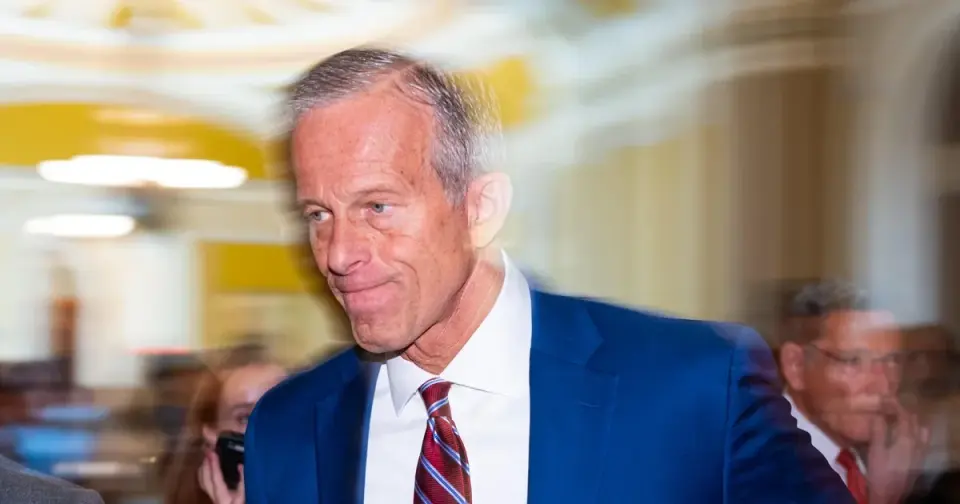
Senate Majority Leader John Thune faces a critical test in the November 3 midterms, attempting to preserve the GOP’s 53-seat majority despite a hostile political landscape. His strategy relies on a 'balancing act': advancing President Trump’s agenda while maintaining the Senate’s institutional independence. However, the conflict with Iran and soaring gas prices have eroded Republican support, turning previously safe states into battlegrounds. Thune argues that long-term economic gains will offset short-term pain, but internal critics and nonpartisan analysts warn that the party’s narrow margin offers little room for error. With only one week left, Thune is urging candidates to distance themselves from the president’s unpopular policies, a move that may be too late to prevent a loss of the chamber.
Key points
- Thune’s leadership style, described as steady and non-confrontational, has allowed him to pass major tax and defense bills but has drawn criticism from the right for not being aggressive enough on the SAVE America Act and the left for not opposing the Iran war.
- The Senate map has shifted dramatically; states like Ohio, Michigan, and Iowa are now competitive, while the Senate Leadership Fund has scaled back spending in North Carolina and Georgia, signaling dimming prospects for those seats.
- Nonpartisan analyst Kyle Kondik rates the GOP’s chances of holding the Senate as 50-50, attributing the risk primarily to the Iran war’s impact on gas prices and presidential approval rather than a lack of campaign funding.
- Thune has not publicly sparred with President Trump, instead managing tensions through subtle cues and behind-the-scenes negotiations, though he faced a censure attempt from the South Dakota Republican Party over the elections bill.
- Internal frustration is high, with senators like John Curtis and John Kennedy criticizing Thune for failing to address affordability immediately after passing the 2025 tax bill, arguing that voters are focused on current costs rather than future economic promises.
Background
This election follows Thune’s two-year tenure as leader, during which he navigated a complex relationship with President Trump, including disagreements over the filibuster and the SAVE America Act. Previous coverage highlighted Thune’s efforts to recruit candidates like Ashley Hinson in Iowa and Mike Rogers in Michigan, as well as his stance on stalled legislation like the Sunshine Protection Act. The current crisis is a culmination of these tensions, where the party’s narrow majority is threatened by external factors beyond Thune’s direct control, such as the Iran conflict and energy prices.
Why it matters
The outcome of the Senate race will determine whether the GOP can continue its legislative agenda or face a Democratic blockade. A loss of the majority would likely trigger a leadership change and potentially end Thune’s tenure, while a victory would validate his strategy of balancing presidential demands with institutional norms. The result also signals the electorate’s response to the Iran war and economic conditions, which may influence future presidential and congressional strategies.
What to watch
Voters will decide the Senate majority on November 3. Thune expects to remain leader if the GOP holds the chamber, but his future depends on the election results. If Republicans lose, the president may intervene to replace him, and the party will face intense internal blame regarding the handling of the Iran war and affordability issues.
Want the full story? Read the original reporting
Read on CBS News