
USPS Rejects Leon County Ballot Envelope Over 0.014-Inch Spacing Flaw
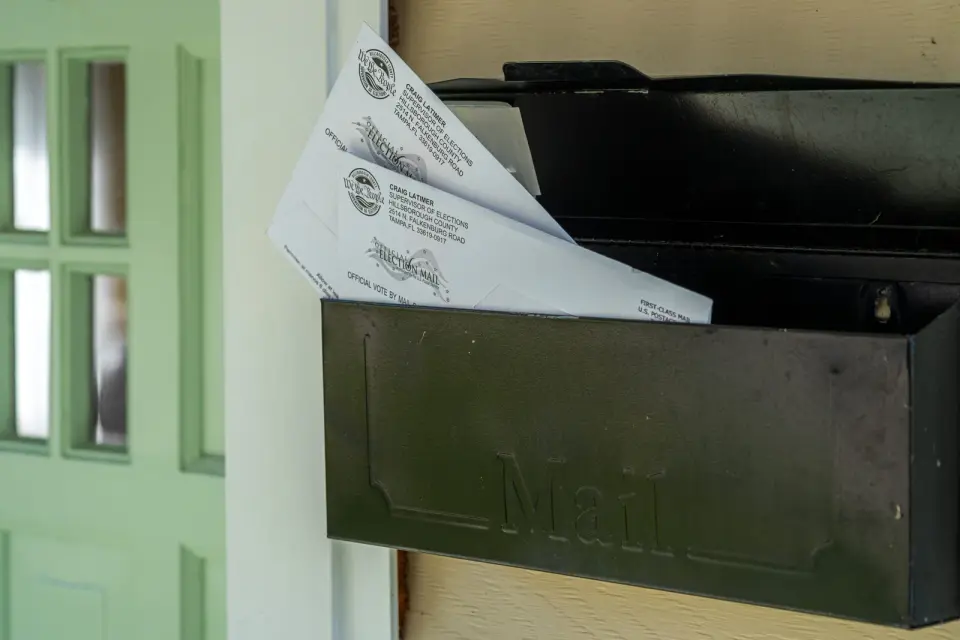
The U.S. Postal Service initially rejected Leon County, Florida’s mail ballot envelope design due to a 0.014-inch spacing error, a move election officials say highlights the potential for administrative chaos under new federal rules. Supervisor of Elections Mark Earley appealed the decision, securing approval on September 10 after the agency had rejected the design on September 2. The dispute occurred while a federal injunction blocks the implementation of the new rules, which stem from a March executive order. Earley noted that the county had no time to reprint envelopes before Florida’s September 24 mailing deadline. The incident serves as a preview of the technical hurdles states may face if the Supreme Court lifts the injunction, potentially forcing jurisdictions to navigate strict, voluntary standards that could delay ballot distribution.
Key points
- USPS rejected Leon County’s ballot envelope on September 2 because the space between 'return service requested' and the return address was 0.236 inches, falling short of the required 0.25 inches.
- Supervisor of Elections Mark Earley appealed the decision, and the envelope was approved on September 10, just days before Florida’s September 24 deadline to mail ballots.
- The new USPS rules, which mandate barcode envelopes and strict spacing, are currently blocked by a federal injunction but could take effect if the Supreme Court rules in favor of the administration.
- Earley stated that the county had no time to reprint envelopes after the initial rejection, illustrating the logistical risks of the new regulations.
- The proposed online portal for submitting ballot designs and voter lists is not yet available, according to Earley, who described the infrastructure as undeveloped.
Background
This incident follows a series of developments regarding mail voting in 2026. In August, President Trump voted by mail in a Florida primary, continuing his pattern of using mail ballots in the state. In September, a USPS audit flagged handling flaws in primary ballots, and multiple states warned the Supreme Court that the new rules could disenfranchise millions. Legal analysts have argued that the balance of equities favors maintaining the injunction to prevent voter suppression.
How outlets are covering it
Democracy Docket and The Washington Post both emphasize the technical nature of the rejection, noting the 0.014-inch discrepancy. Democracy Docket highlights that the rejection was based on older, voluntary standards not explicitly included in the official election mail kit, while The Washington Post focuses on the scramble to appeal the decision. Both outlets agree that the incident illustrates the potential for chaos if the rules are implemented. Yahoo’s coverage is limited to a brief confirmation that the USPS cleared the ballots after the dispute, without detailed analysis.
Why it matters
The Leon County incident underscores the practical risks of the new USPS rules, which could lead to technical rejections and delays in ballot distribution. If the Supreme Court lifts the injunction, election officials may face similar hurdles, potentially disenfranchising voters. The dispute also highlights the lack of infrastructure, such as the non-existent online portal, which could further complicate compliance with the new regulations.
What to watch
The Supreme Court is expected to rule soon on whether to lift the injunction blocking the new USPS rules. If the rules are implemented, election officials will be required to submit ballot envelope designs for review, potentially leading to more technical rejections. The development of the online portal for submitting designs and voter lists is also pending, with Earley noting that no login or access has been provided to end users.
- In ominous sign, USPS initially rejected Florida county’s mail ballot over spacing issue Democracy Docket
- Ballot scramble hints at chaos under Trump proposal, Fla. election official says The Washington Post
- 'Ridiculous': Postal Service rejects Leon mail ballot envelopes. Here's why Tallahassee Democrat
- USPS clears Leon County mail ballots after dispute yahoo.com
- Trump’s mail-in ballot chaos rips through Democratic strongholds Daily Kos
Want the full story? Read the original reporting
Read on Democracy Docket