
Haitian TPS Termination Triggers Economic Collapse and Surveillance in South Florida
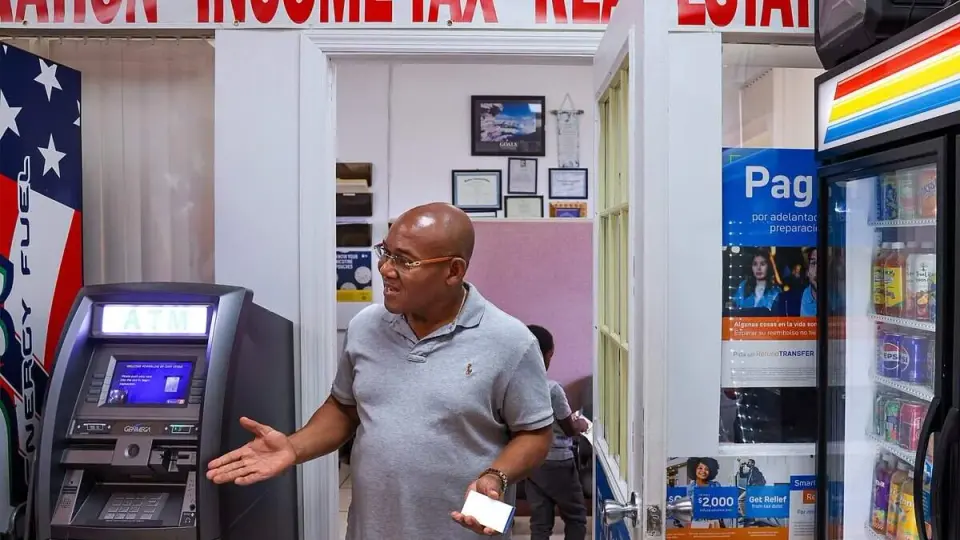
The end of Temporary Protected Status (TPS) for Haitians has caused immediate economic contraction in South Florida, with 52,000 workers losing jobs and local businesses reporting near-zero foot traffic. While the Trump administration has not launched a mass enforcement campaign in the region, fear of deportation and ankle monitors has driven many residents into self-imposed isolation, disrupting healthcare, aviation, and remittance flows to Haiti.
Key points
- A federal judge lifted an injunction on August 6, 2026, officially ending TPS for over 300,000 Haitians, including approximately 52,000 workers in South Florida.
- Economic impacts are immediate: 132 workers were fired from Fort Lauderdale-Hollywood International Airport, and 50 employees left Jackson Health System, while local businesses report a total collapse in customer traffic.
- Haitians in South Florida are retreating from public life due to fear of ICE raids and ankle monitors, a trend described by cultural activists as 'marronage' or self-concealment.
- The loss of work authorization has halted remittances to Haiti, a country where over half the population faces hunger, and has reduced enrollment in local education and technology programs by more than 50%.
- The Trump administration is aggressively expanding the use of GPS ankle monitors for Haitians in other states, such as Ohio, though no similar mass enforcement has yet been reported in Florida.
Background
This development follows a June 2026 Supreme Court ruling that allowed the administration to terminate TPS for Haiti and Syria. Prior to the final termination, the House passed legislation to extend protections through 2029, but the Senate has not acted. The situation mirrors earlier concerns in Massachusetts and Pennsylvania, where healthcare and manufacturing sectors faced similar workforce disruptions.
How outlets are covering it
The Miami Herald emphasizes the immediate economic paralysis and social withdrawal in South Florida, noting that while no mass raids have occurred, the fear of enforcement has created a 'quiet' crisis. MS NOW focuses on the humiliation and surveillance aspect, highlighting the aggressive use of ankle monitors in Ohio as a precursor to potential nationwide enforcement. The Guardian frames the issue as a humanitarian crisis, contrasting the administration's deportation threats with the State Department's own 'do not travel' advisory for Haiti, and notes the broader impact on other TPS groups like Syrians and Salvadorans.
Why it matters
The termination of Haitian TPS represents a significant shift in US immigration policy, moving from humanitarian protection to active surveillance and potential deportation. The economic ripple effects in South Florida, a major hub for the Haitian diaspora, demonstrate how immigration status directly impacts essential services, from airport operations to healthcare, and has global consequences for Haiti's fragile economy.
What to watch
The Senate is expected to debate the House-passed bill to extend TPS through 2029. Meanwhile, the administration is likely to continue expanding the use of ankle monitors and may initiate enforcement actions in other major Haitian communities. Advocates are urging individuals to seek asylum or other legal pathways, though options remain limited for many.
- ‘The streets are empty’: Haitians recede from public in South Florida as TPS ends Miami Herald
- New York City Hall Dismisses Haitian Workers After Loss of Protected Status The New York Times
- The loss of TPS brings another humiliation for Haitians — ankle monitors MS NOW
- They lost their work permits and their legal status. Returning to Haiti is still ‘unimaginable’ PBS
- Haitians face arrest and deportation after US removes TPS protections The Guardian
Want the full story? Read the original reporting
Read on Miami Herald