
Trump Abandons Midwest Rallies for Virtual Blitz as Midterm Races Tighten
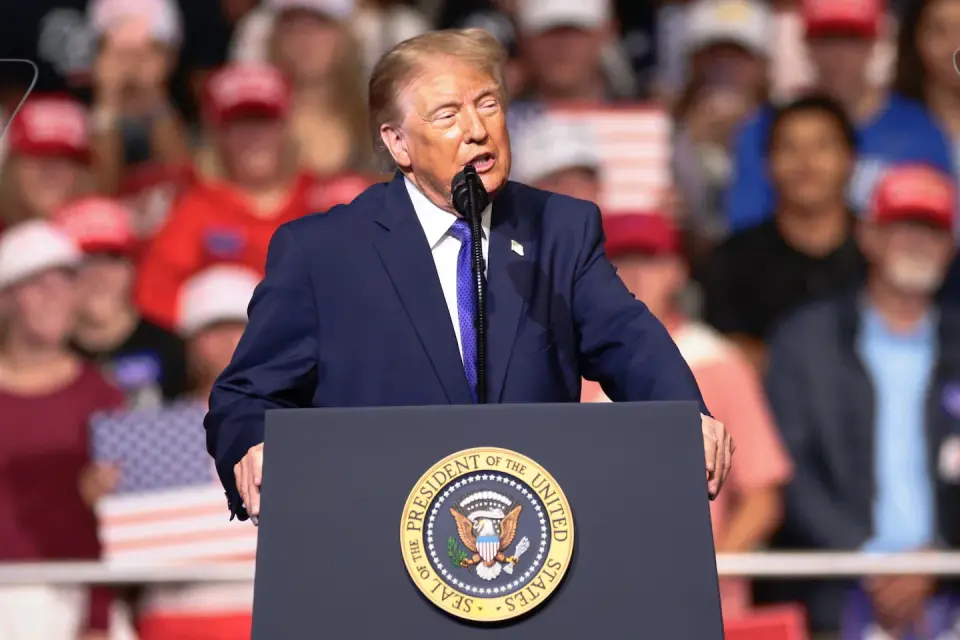
President Donald Trump canceled in-person rallies in Kansas and Iowa, opting for over 20 virtual telerallies to maximize reach in competitive states before the November 3 midterms. This strategic shift follows a month of intense travel, with the White House citing efficiency over physical presence. While some GOP officials expressed relief at the reduced logistical burden, others in Kansas lamented the loss of a morale-boosting event for incumbent Senator Roger Marshall, who faces a tight race. Trump dismissed health concerns, asserting the change was purely tactical to support more candidates simultaneously.
Key points
- Trump canceled scheduled rallies in Salina, Kansas, and Dubuque, Iowa, replacing them with virtual events.
- The White House announced a plan for more than 20 telerallies to support Republican candidates in multiple states.
- Incumbent Senator Roger Marshall in Kansas faces a close race, with some polls showing him trailing his Democratic opponent.
- Trump dismissed questions about his health, stating the cancellation was not due to fatigue from his recent travel schedule.
- Some GOP operatives expressed relief at the canceled trips, noting they diverted time from ground-level voter outreach.
Background
This decision follows a period of intense campaigning by President Trump, who traveled to 19 states in October, often returning to the White House after midnight. Previous coverage highlighted concerns over Republican approval ratings among swing voters and the need to energize the base in battleground states. The shift to virtual events marks a departure from his earlier strategy of in-person rallies, which he had previously credited with boosting turnout.
How outlets are covering it
The Washington Post and NBC News emphasize the strategic efficiency of telerallies, noting that virtual events allow Trump to support candidates in multiple states without the time constraints of travel. CNN reports that some Republican officials privately welcomed the cancellation, arguing that in-person rallies consumed time better spent on door-knocking and get-out-the-vote efforts. Conversely, the Kansas Republican Party chair, Danedri Herbert, expressed disappointment, stating that the canceled event would have energized the base in a critical race. Trump himself, as reported by CNN, dismissed health-related speculation, asserting that the change was purely tactical and that he felt 'perfect' despite his recent travel schedule.
Why it matters
The shift to virtual campaigning reflects the Republican Party's struggle to maintain momentum in tight races across key states. By prioritizing breadth over depth, the White House aims to maximize voter engagement in multiple districts simultaneously. This strategy could influence turnout in competitive Senate races, potentially determining control of Congress in the 2026 midterms.
What to watch
Trump is scheduled to hold a rally in Daytona Beach, Florida, on Friday, before spending Election Day at the White House. The outcome of the Kansas and Iowa Senate races will be closely watched as indicators of the effectiveness of the new virtual strategy. Additionally, the Justice Department's ongoing legal battles regarding election certification in Alaska and California may impact the final results in those states.
- Trump cancels Kansas rally before midterm elections to hold virtual events The Washington Post
- Midterms live updates: Trump scraps another red-state rally as he shifts strategy ahead of midterms CNN
- Trump cancels rallies in Kansas and Iowa, opting for telerallies to reach more voters, RNC says Baltimore Sun
- President Trump’s rally in Salina is canceled KSN-TV
- Trump’s final sprint: From the Politics Desk NBC News
Want the full story? Read the original reporting
Read on The Washington Post