
Trump Administration Seeks Supreme Court Ruling to Resume Big Bend Border Construction
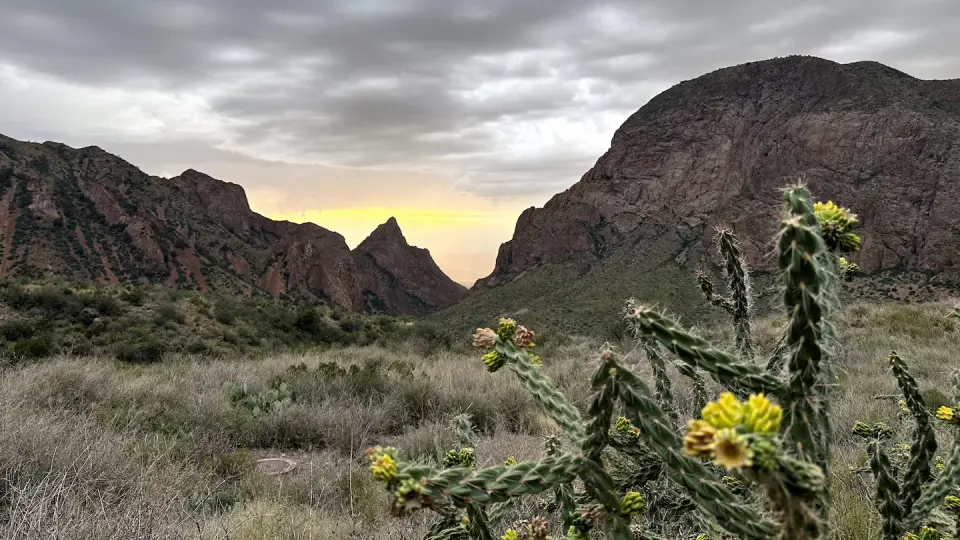
The Trump administration has petitioned the U.S. Supreme Court to lift a federal injunction that halted a $1.7 billion border security project near Big Bend National Park. The project, spanning over 500 miles, was paused by a lower court judge who ruled that the construction likely violated environmental protections and property rights. The administration argues the barrier is essential for national security, while opponents contend the project causes significant ecological damage. This legal battle highlights the ongoing conflict between federal border enforcement priorities and environmental conservation laws in protected national park areas.
Key points
- The Trump administration filed a request with the Supreme Court on Wednesday to allow construction to resume on a border security project in and around Big Bend National Park.
- The project, valued at $1.7 billion, covers a stretch of more than 500 miles and was previously halted by a preliminary injunction from U.S. District Judge Kathleen Cardone.
- The injunction was issued after the Center for Biological Diversity and local landowners sued, arguing the construction violated separation of powers and deprived citizens of property rights.
- The administration contends the border barrier is crucial for security, while critics argue it threatens wildlife and historic sites within the 800,000-acre national park.
- This case follows a broader pattern of legal challenges to Trump-era border infrastructure, including a separate temporary pause in San Ygnacio, Texas, over private riverfront land claims.
Background
This development follows a September 2026 ruling by Judge Cardone that blocked the $7.5 billion border barrier expansion in the Big Bend region, citing likely success of plaintiffs' constitutional claims. The lawsuit was filed in April by the Center for Biological Diversity, which argued that waiving environmental laws to expedite construction was unlawful. The Big Bend sector accounts for only 1% to 3% of migrant apprehensions, yet the administration has pursued extensive infrastructure expansion. This case is part of a series of Supreme Court interventions in border-related disputes, including recent rulings on third-country deportations.
Why it matters
The outcome of this case will determine whether large-scale border infrastructure can proceed within protected national parks, setting a precedent for the balance between national security priorities and environmental conservation laws. It also reflects the broader legal and political tensions surrounding the Trump administration's border policies and their impact on federal lands and local communities.
What to watch
The Supreme Court is expected to review the petition and decide whether to lift the injunction, potentially allowing construction to resume. If the court sides with the administration, the $1.7 billion project may proceed, though it could face further legal challenges from environmental groups and local landowners. A final decision on the broader border infrastructure expansion may also be influenced by upcoming oral arguments scheduled for December.
Want the full story? Read the original reporting
Read on The Washington Post