
Trump dismisses future monuments, citing lack of public will
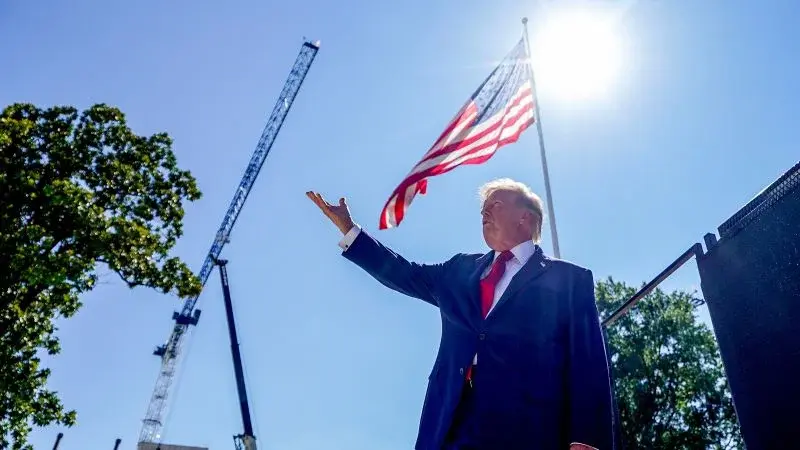
Donald Trump stated that no one will build monuments for him after he leaves office, reflecting a view that his legacy is not dependent on physical structures. This comment follows recent controversies surrounding his planned 250-foot triumphal arch in Washington, D.C., which faces legal and preservationist opposition.
Key points
- Trump asserted that 'nobody will' construct monuments for him once he is out of office.
- The statement implies a belief that his legacy is not tied to physical memorials.
- This comes amid ongoing disputes over a planned 250-foot arch in Washington, D.C.
- The arch project faces legal challenges and preservationist pushback.
Background
In September 2026, officials announced excavation for a 250-foot triumphal arch near Arlington National Cemetery, intended to commemorate the nation's 250th anniversary. The project, taller than France's Arc de Triomphe, has sparked controversy over its size, traffic impact, and congressional approval, with construction expected to take two to three years. Trump's recent comment on monuments may reflect a shift in focus from physical legacy to political or policy-based legacy.
Why it matters
Trump's dismissal of future monuments signals a potential redefinition of presidential legacy, moving away from physical symbols to policy or political influence. This could impact how future administrations approach public works and national memorials, especially in a polarized political climate.
What to watch
The 250-foot arch project will likely proceed despite opposition, with excavation expected to begin soon. Legal challenges may continue, but construction is planned to span two to three years. Trump's statement may influence public and political discourse on the role of physical monuments in presidential legacy.
Want the full story? Read the original reporting
Read on CNN