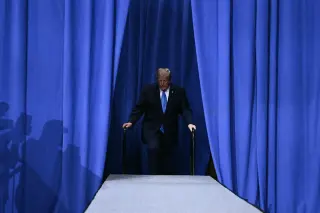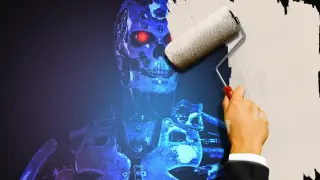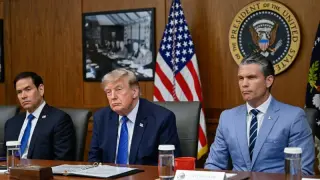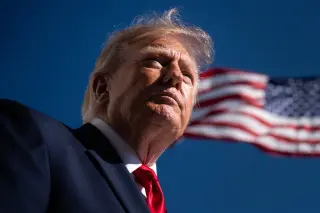
As fresh U.S. strikes hit Iran, Trump curates a stream of dramatic war clips on Truth Social to frame the conflict as a spectacle while calling for an off‑ramp, a messaging approach analysts say may desensitize viewers and complicate public support for a protracted war.
Justin Baldoni’s first public comments in nearly two years address his mutually destructive feud with Blake Lively, releasing a video intended to sway public opinion; public relations experts gave mixed reviews, with some finding the message heartfelt and others calling it Creepy, highlighting the ongoing controversy surrounding their dispute.
A AP‑NORC poll shows Democrats becoming more critical of Israel as overall U.S. views shift, signaling potential changes in Middle East policy and how foreign aid is debated in Washington.
A Nature feature finds that global trust in science remains moderately high overall (about 3.6/5 across 68 countries), but confidence varies by region and has declined among certain US groups and politically conservative audiences. The COVID-19 era amplified misinformation and skepticism, yet surveys show scientists are among the most trusted professions. Experts warn that politicization and online information noise threaten support for evidence-based policies and health decisions, and call for scientists to acknowledge their biases and engage the public to rebuild trust.
New Gallup polling shows 60% of Russians say economic conditions in their area are worsening and 56% report declining living standards, the highest level of pessimism in two decades; confidence in the military has fallen to 66% and trust in the government to 53%. The survey, conducted March–May 2026, also notes fuel shortages amid strikes. A separate Ukraine poll indicates waning US leadership approval and growing support for negotiating an end to the war.
As the United States marks its 250th year, citizens celebrate a milestone with pride in the nation’s history, even as widespread political division and questions about national identity cast doubt on what the anniversary means for the country’s future.
With parliamentary elections approaching, Putin publicly ties himself to United Russia for the first time in nearly two decades, hoping to shore up support as war fatigue grows and trust in him slips to about 69%. The party promotes him as the president’s candidate, but broader discontent—drone strikes, internet blackouts, and fuel shortages—persists, prompting some lawmakers to distance themselves from unpopular war measures while the Kremlin denies any delay to the elections.
A new AP-NORC poll finds that Americans’ pride in U.S. history and democracy has declined, and fewer people say they are proud to be American, signaling a shift in national sentiment.
Pew’s 2026 data show Indians’ view of the US has soured: 45% view the US favourably, 31% unfavourable (a 25-year high), and only 39% have confidence in Donald Trump to do the right thing internationally—the lowest on record. Indians largely oppose Trump’s tariffs and handling of Venezuela and Iran, and Washington’s immigration policies (32% back immigration policy, 17% approve of Venezuela policy, 28% back Iran policy). The findings mark a sharp shift from earlier years when US leadership enjoyed stronger Indian support.
Americans are increasingly uneasy about the AI boom, with a Haystack News poll showing 55% very concerned about an AI bubble and 14.5% somewhat concerned, as more than $1 trillion has been invested with unclear returns. A broad market sell-off erased nearly $1 trillion in value in AI-heavy stocks like Amazon, Nvidia, Tesla, Alphabet, and Intel, while SpaceX briefly dipped below its IPO price. Analysts warn the gap between funding and actual ROI could trigger broader economic fallout if the trend continues.
A May 2026 Gallup poll shows 77% of Americans think the Declaration signers would be disappointed with today’s U.S., while 19% say they would be pleased; responses have shifted lower over time and across parties. About 70% say the U.S. has achieved at least a fair amount of its founding ideals, though this is well below peaks in 2002 and 1976. Republicans are likelier to say the founders would be pleased (25%), independents 21%, Democrats 13%, with similar patterns across age, race, and income. The data suggest a shared sense of progress toward founding ideals but dissatisfaction with the current state of the country.
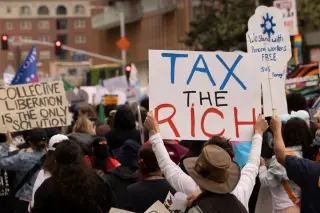
New York’s Democratic primaries highlighted a widening shift in U.S. attitudes toward Israel, with candidates who criticize Israel winning in several races and supporters chanting Free, free Palestine at victory events. Polls show backlash against Israel is growing across parties, especially among younger voters, signaling possible changes to U.S.-Israel policy even as traditional defense ties remain strong.
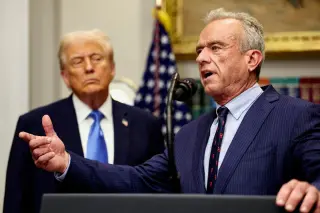
A Quinnipiac national poll finds 60% of voters believe the U.S. military action against Iran was not worth it, with Democrats and independents largely opposed and Republicans more divided; 48% say the U.S. is too supportive of Israel—the highest share on record. The survey also shows skepticism about Trump’s Iran deal, concerns about the U.S. position in the world, and broad issues shaping the upcoming House elections, including costs of living, health care, and ethics in government.
A Pew Research Center survey of 42,151 people across 36 countries (Feb. 8–May 13, 2026) finds widespread negative views of Donald Trump and dimmer perceptions of the U.S. as a reliable partner. A median 23% express confidence in Trump, 37% have a favorable view of the U.S., and 57% view the U.S. unfavorably, with large declines in trust since 2022. The share that sees the U.S. as contributing to peace and stability, and as considering other countries’ interests, has fallen in many nations. Israel remains a relative bright spot for Trump’s reception, but across most regions, especially Europe and the Asia-Pacific, views are negative and opinions of Trump’s foreign-policy handling are largely disapproved. Overall, global sentiment toward U.S. democracy and leadership has weakened compared with previous years.
Trump is betting that a giant Ferris wheel and circus-style events will revive interest in his free, faltering Great American State Fair, following a string of canceled retro-concerts tied to his administration. The stunt, paired with his birthday celebrations, is aimed at energizing supporters and drawing attention away from controversy, but critics view the spectacle as tacky theater amid a campaign with uncertain momentum.