
Trump Blames Biden for FAA Ground Stop as Traveler Compensation Rules Remain Repealed
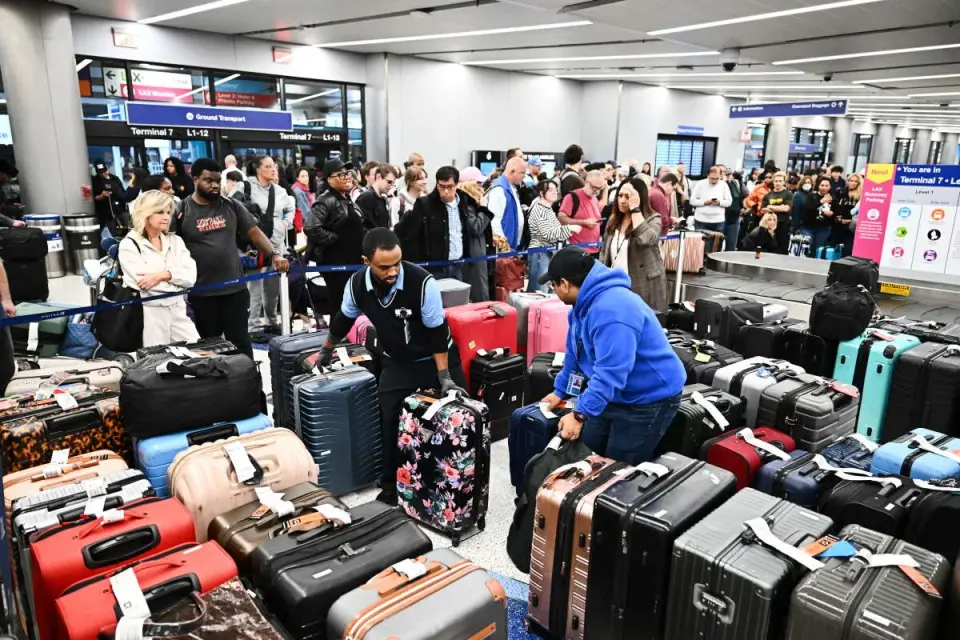
A nationwide flight ground stop on November 13, 2026, disrupted approximately 10,000 flights and affected hundreds of thousands of passengers. President Donald Trump blamed the Biden administration for the incident, citing an 'old and broken' air traffic control system. The disruption stemmed from a router issue in aging FAA infrastructure, not airline operations. Consequently, the Biden-era proposal for mandatory cash compensation for stranded travelers, which was repealed by the Trump administration in 2025, did not apply. Airlines offered travel credits and waived rebooking fees, but did not provide blanket reimbursements for hotels or meals.
Key points
- The FAA ordered a nationwide ground stop lasting over four hours on Friday, November 13, 2026, grounding or delaying roughly 10,000 flights.
- Officials attributed the disruption to a router issue in the aging air traffic control system, specifically noting that high data volume caused equipment instability.
- President Trump publicly blamed the Biden administration for the crisis, stating that previous spending made the system worse, and urged Congress to provide immediate funding for modernization.
- The Biden administration had proposed cash compensation for delayed travelers, ranging from $200 to $775, but the Trump administration formally withdrew this rule in 2025.
- Airlines responded to the ground stop by waiving rebooking fees and offering travel credits, but did not provide blanket reimbursements for lodging or meals as the compensation rule had been repealed.
Background
This incident follows a period of regulatory shifts regarding airline passenger rights. In late 2024, the Biden administration proposed rules requiring airlines to pay cash and cover lodging for stranded passengers, aligning U.S. policy more closely with European standards. The Trump administration reversed this policy in 2025, citing directives to reduce financial burdens on private companies. While a separate Biden-era measure remains in effect, requiring cash refunds for canceled flights or domestic delays exceeding three hours if the passenger opts out of rebooking, the broader compensation framework for non-airline-caused delays was removed. Recent archive coverage highlights ongoing disputes over airline compensation, such as a lawsuit by a couple against Turkish Airlines for refusing to reimburse a hotel stay after a mechanical failure, illustrating the continued friction between passenger expectations and airline policies in the absence of comprehensive federal mandates.
How outlets are covering it
AP News emphasizes that the ground stop resulted from FAA infrastructure issues rather than airline operations, noting that the repealed compensation rule would not have applied to this specific scenario. The New York Times highlights the political response, noting that President Trump remained silent during the initial crisis, speaking only on Sunday to blame the Biden administration. CNBC focuses on the financial and legislative aspects, reporting that Trump called for immediate congressional funding to modernize the system, while noting that Congress had already approved $12.5 billion for the FAA in the previous year. All sources agree that the disruption was severe, affecting hundreds of thousands of passengers, but differ in their emphasis: AP focuses on the regulatory gap, The Times on the political silence, and CNBC on the funding debate.
Why it matters
The incident exposes the fragility of the U.S. air traffic control system and the lack of federal protections for passengers during infrastructure-related disruptions. With the compensation rule repealed, travelers are left without guaranteed financial recourse for costs incurred during such events, relying instead on voluntary airline offers like travel credits. This highlights the ongoing tension between regulatory burdens on airlines and consumer protection, as well as the political polarization surrounding infrastructure funding and accountability for system failures.
What to watch
Investigations into the root cause of the ground stop are ongoing, with the FAA noting that contractor work at one site may be related. Congress is expected to debate additional funding for the FAA, as urged by President Trump and Transportation Secretary Sean Duffy. Airlines may face increased pressure to offer more comprehensive compensation for future disruptions, though no new federal mandates are currently in place. The FAA is likely to implement measures to prevent similar router issues in the aging air traffic control system.
- Trump clipped Biden's payouts for stranded travelers. It may not have helped during the ground stop AP News
- Showdown looms between Trump and Democrats over air traffic control meltdown CNN
- As Crisis Circled the Skies, Trump Kept Out of Sight and Off Topic The New York Times
- Trump breaks silence about FAA nationwide ground stop, blames Biden administration CNBC
- Trump on FAA outage: ‘I don’t take any responsibility’ The Hill
Want the full story? Read the original reporting
Read on AP News