
Trump Cabinet officials move to military bases amid security threats
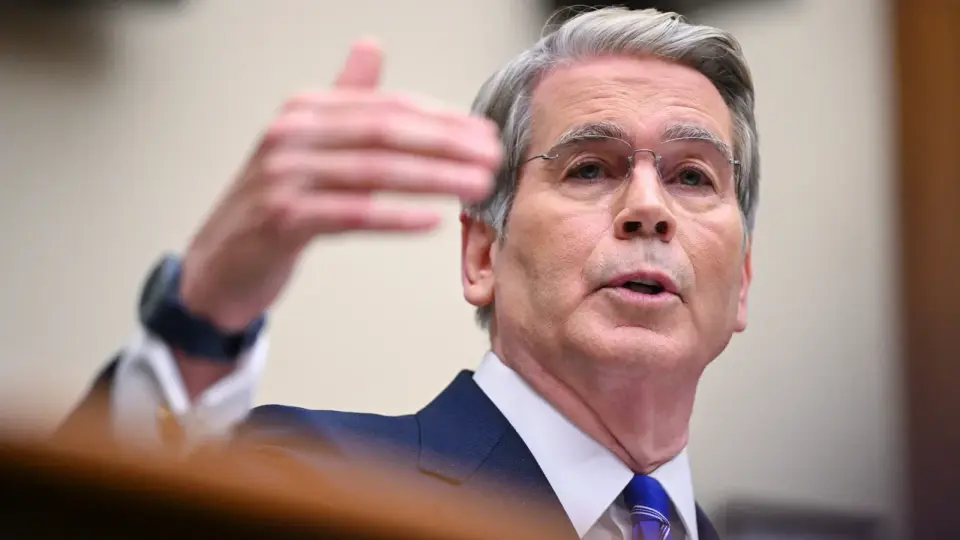
Several senior Trump administration officials, including Treasury Secretary Scott Bessent and Defense Secretary Pete Hegseth, are currently residing in military housing in Washington, D.C., citing security concerns. This trend, which includes moves by Secretary of State Marco Rubio and White House chief of staff Stephen Miller, has raised questions about the use of facilities traditionally reserved for military personnel. While the White House cites threats from Iran and domestic harassment as justification, critics argue the arrangement isolates officials from the public and raises concerns about fair-market rental rates. The Pentagon is required to report to Congress on these arrangements by spring 2027.
Key points
- Treasury Secretary Scott Bessent moved to a military base after receiving threats from Iran, stating the move indicates the economic pressure on Tehran is effective.
- Defense Secretary Pete Hegseth and Secretary of State Marco Rubio are neighbors at Fort Lesley J. McNair, a base in Washington, D.C., known as 'Generals' Row.'
- White House chief of staff Stephen Miller and his family relocated to military housing in 2025 after facing a stalking and doxing campaign.
- Attorney General Todd Blanche and former Attorney General Pam Bondi have also lived on military bases due to safety concerns.
- The Army was preparing to spend $137,297 on repairs to Hegseth's residence, drawing scrutiny from lawmakers.
- Civilian officials must pay rent for military housing, typically upwards of $4,500 per month, though rates vary.
Background
The practice of civilian officials living in military housing is historically rare. Robert Gates, the first defense secretary to do so, lived in military housing under Presidents George W. Bush and Barack Obama. Jim Mattis and Mike Pompeo also lived in military housing during Trump's first term. The current surge in relocations is linked to escalating threats from Iran and domestic political violence, including the killing of conservative activist Charlie Kirk.
How outlets are covering it
USA TODAY and CNN report on the security concerns driving the moves, with CNN emphasizing the isolation of officials from the public. USA TODAY highlights the cost and congressional scrutiny. Iran International focuses on the broader context of the Iran war and threats, while Yahoo provides a visual overview of the officials involved. All sources agree on the trend but differ in emphasis, with CNN and USA TODAY focusing on the implications for democratic norms and costs, respectively.
Why it matters
The relocation of senior civilian officials to military bases raises questions about the separation of powers, the use of taxpayer-funded facilities, and the security of government officials. It also highlights the escalating threats faced by U.S. officials, both from foreign adversaries and domestic actors. The trend could set a precedent for future administrations, regardless of party affiliation.
What to watch
The Pentagon must report to the House Armed Services Committee by spring 2027 on political appointees living in military housing, including the legal authority for the arrangements and rental costs. Rep. George Whitesides, D-Calif., has pushed for oversight to ensure fair-market rates are being paid. The trend may continue if threats against officials persist.
- More Trump officials are calling military bases home USA Today
- As Trump remakes Washington, his Cabinet increasingly moves to secure military bases CNN
- Live - Rome says drone that killed two Italians in Kuwait was made in Iran Iran International
- High-ranking Trump officials who live in military housing — Photos Yahoo
- Bessent Says Iran Doesn't 'Have a Drop' of Oil on Water to Sell Due to Operation Economic Outcast — Tehran Reportedly Conducts Fresh Strikes in Strait of Hormuz TradingView
Want the full story? Read the original reporting
Read on USA Today