
Trump Claims Iran War Ended as U.S. Strikes Resume in Strait of Hormuz
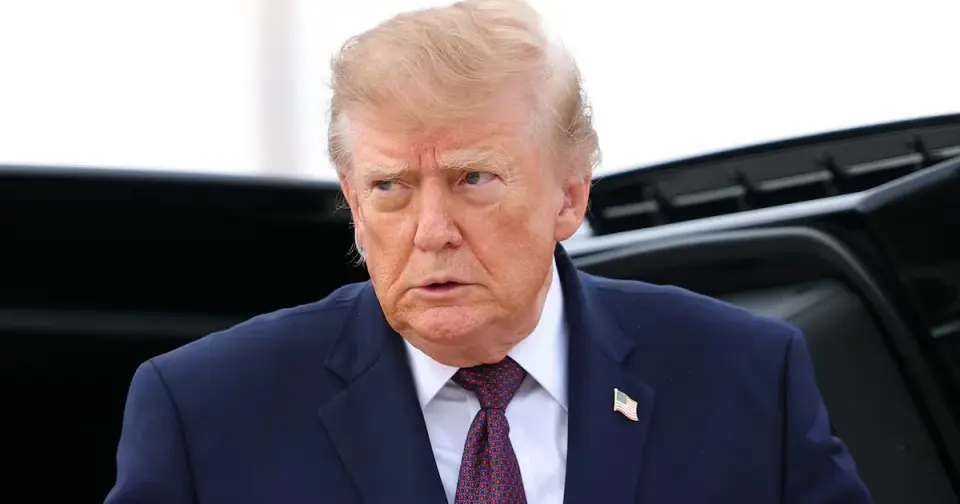
President Donald Trump claimed on Fox News that the U.S. war with Iran had effectively ended due to a lack of recent shooting, even as the U.S. conducted defensive airstrikes on Qeshm Island. While the administration framed the strikes as limited defensive measures against Iranian threats to commercial shipping, critics noted the contradiction between the president's rhetoric and ongoing military activity. Simultaneously, diplomatic efforts accelerated, with Iran proposing a two-day timeline to reopen the Strait of Hormuz if U.S. sanctions are lifted, though no formal agreement has been reached.
Key points
- Trump told Sean Hannity that the conflict was 'not much of a war' because there had been no shooting for months, despite 23 American service members killed in the conflict.
- U.S. officials confirmed defensive airstrikes on Qeshm Island in the Strait of Hormuz on Monday, described as responses to Iranian surface-to-air missile attacks on U.S. assets.
- Iran’s foreign ministry stated its seven-step ceasefire plan could be implemented within two days if the U.S. lifts its naval blockade and sanctions.
- The conflict began in February with joint U.S.-Israeli strikes that killed Supreme Leader Ayatollah Ali Khamenei, leading to a memorandum of understanding in June that has since stalled.
- Analysts suggest Trump’s aggressive rhetoric is intended to pressure Iran into a deal before the midterm elections, while others view it as a legacy-defining foreign policy risk.
Background
The current tensions follow an eight-month conflict that began with joint American and Israeli strikes in February 2026, which killed top Iranian officials including Supreme Leader Ayatollah Ali Khamenei. Although a memorandum of understanding was signed in June, talks have stalled, with the U.S. enforcing a naval blockade and Iran claiming control over the Strait of Hormuz. Recent domestic political instability, including the rapid turnover of White House press secretaries, has coincided with declining presidential approval ratings, making the Iran issue a central focus in the final days of the midterm campaign.
How outlets are covering it
The Daily Beast highlighted the contradiction between Trump’s claim of no shooting and the confirmed strikes on Qeshm Island, noting that a Wall Street Journal reporter publicly called out the discrepancy. ABC News emphasized that U.S. officials characterized the strikes as defensive measures against Iranian attacks on commercial shipping, rather than a resumption of full-scale war. Al Jazeera focused on diplomatic progress, reporting that Iran accelerated its ceasefire proposal to a two-day timeline, while Trump signaled optimism about a deal. The New York Times analyzed the political motivations, suggesting Trump’s threats are designed to push Iran to the negotiating table or secure a legacy-defining resolution, despite polls showing two-thirds of voters disapprove of the conflict's handling.
Why it matters
The discrepancy between presidential rhetoric and military action risks undermining diplomatic efforts and escalating the conflict just before the midterm elections. The potential for a rapid ceasefire, if U.S. sanctions are lifted, could significantly impact global oil prices and regional stability. However, the administration’s simultaneous preparation of military assets, including three aircraft carriers, suggests a readiness to escalate if negotiations fail, creating a volatile environment for both domestic politics and international relations.
What to watch
The U.S. and Iran will continue indirect talks facilitated by Qatar and Pakistan, with Iran expecting a response to its two-day implementation plan. The White House has not set a deadline for a deal, but Trump has indicated that military action may resume after the November 3 midterm elections if no agreement is reached. U.S. military assets remain positioned in the Persian Gulf, ready for potential strikes on sites such as Pickaxe Mountain.
- Trump, 80, Called Out After Fox News Interview Backfires The Daily Beast
- Iran live updates: Trump hints at future strikes on Pickaxe Mountain, downplays war ABC News - Breaking News, Latest News and Videos
- Trump signals progress on Iran deal as Tehran pushes faster ceasefire Al Jazeera
- Why Trump Often Mentioned Iran in the Midterm Campaign The New York Times
- Trump to Axios: "No rush" to decide on bombing Iran again Axios
Want the full story? Read the original reporting
Read on The Daily Beast